

All-Steel Antistatic Floor Solutions: Ensuring Safe, Durable, and Static-Free Workspaces
2026-09-06
In facilities where a single static discharge can corrupt data or damage delicate electronics, flooring is often the overlooked first line of defense. Lipin Floor has engineered all-steel antistatic floor solutions that don't just dissipate static—they redefine what durable, safe workspaces should feel like underfoot. But how do you separate genuine performance from inflated claims? Here's what truly matters when your environment can't afford a single spark.
When Static Becomes a Workplace Hazard
A worker reaches for a metal door handle after walking across a carpeted office floor, and a sharp snap jolts their hand. In most settings that's just an annoyance. But step onto a factory floor where solvent vapors linger near a printing press, or into a cleanroom assembling microelectronics, and that same invisible discharge can ignite a fireball or fry a circuit board worth thousands. Static electricity stops being a minor nuisance the moment it meets flammable atmospheres, sensitive components, or fast-moving production lines that depend on precise material handling.
The risk often hides in routine actions: a plastic tote sliding across a conveyor, an operator peeling a protective film off a sheet of acrylic, or compressed air blowing across insulating surfaces. Each friction event builds charge on materials that have nowhere to dissipate it. Without proper grounding, bonding, or humidity control, the next person to touch that charged object becomes the path to ground. In chemical transfer operations, a static spark can ignite fumes inside a drum or tank, even if the liquid itself is non-conductive. In electronics assembly, a discharge far below what a human can feel can degrade a semiconductor junction, causing failures that only show up weeks later in the field.
What makes static especially tricky is that it doesn't announce itself. Unlike a leaking pipe or a frayed cable, there's no visible sign of danger until the moment of discharge. Many workplaces only take it seriously after an incident—a small flash fire at a solvent station, a batch of returned circuit boards, or a worker who reflexively jerks away from a shock and stumbles into moving machinery. Effective control means looking beyond anti-static wrist straps and heel grounders; it demands a systematic audit of every material, motion, and environmental factor that contributes to charge buildup. The hazard isn't the spark itself, but the assumption that one won't happen.
Steel’s Edge Over Traditional Flooring Materials
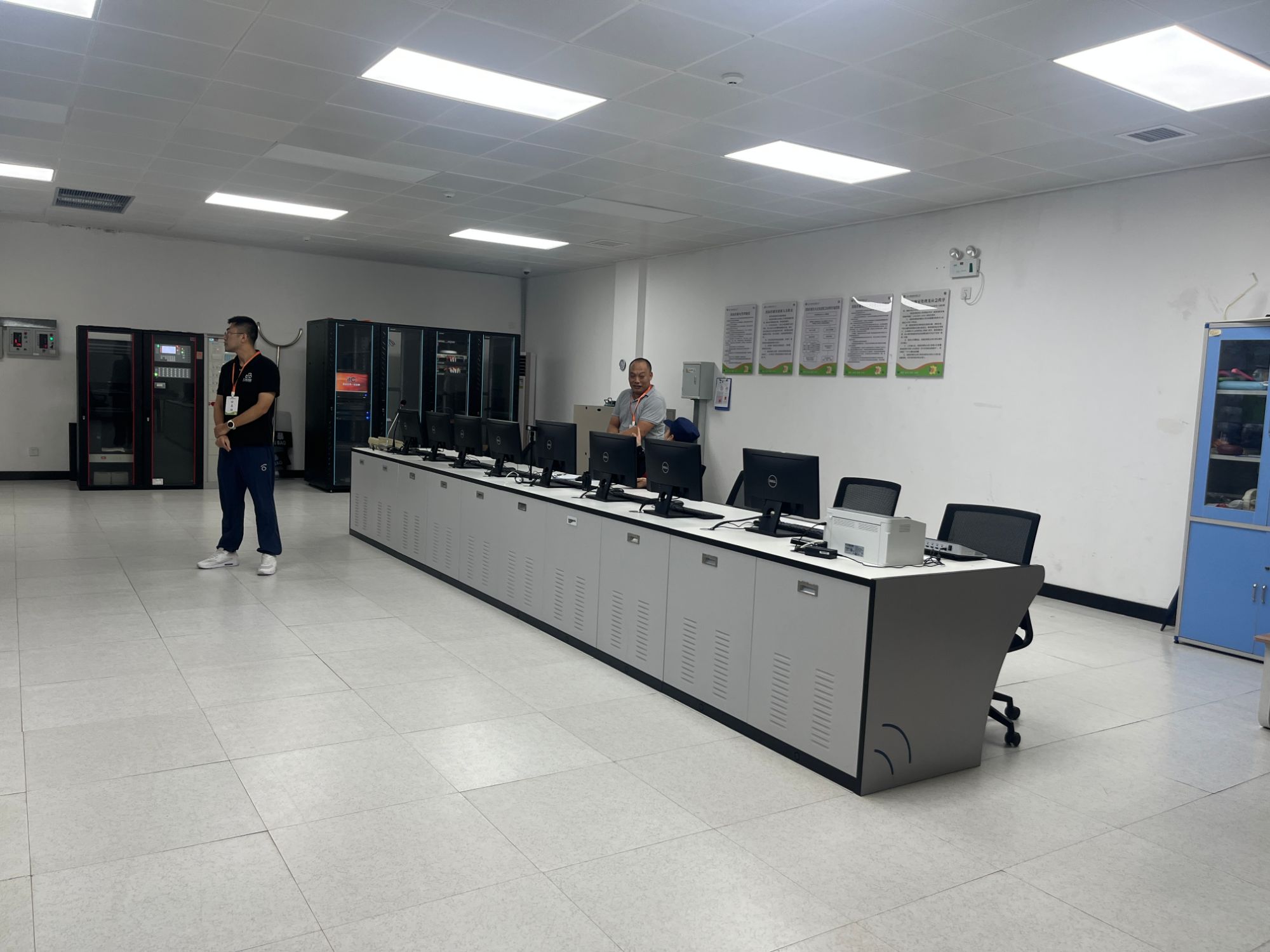
Where hardwood warps and tile cracks under heavy loads, steel flooring holds its shape year after year. The material's high strength-to-weight ratio means thinner sections can span greater distances without sagging, giving designers more usable ceiling clearance and fewer support columns. Unlike concrete, which absorbs moisture and invites mold, steel's non-porous surface resists spills, chemicals, and bacterial growth with little more than a damp mop.
Maintenance costs tell an even starker story. Traditional floors demand periodic refinishing, regrouting, or replacement as traffic wears them down. Steel, by contrast, shrugs off forklift traffic, dropped tools, and thermal cycling without losing its original dimensions. Many installations outlast the buildings they were originally fitted into, and when a facility does change purpose, the steel panels can be unbolted, reconfigured, or recycled instead of ending up in a landfill.
Fire performance adds another layer of distinction. Wood burns, vinyl emits toxic fumes, and even concrete can spall under extreme heat. Steel carries a Class A flame spread rating and does not fuel a fire or release hazardous gases. Paired with proper coatings, it meets stringent safety codes while remaining visually adaptable — perforated patterns, embossed textures, and a full range of powder-coat colors let steel floors mimic or surpass the aesthetic range of traditional options without sacrificing the practical advantages.
How All-Steel Floors Keep Charge From Building Up
In environments where static discharge poses a risk, the flooring material itself becomes a critical line of defense. All-steel floors don't rely on coatings or chemical treatments to remain conductive; the metal substrate forms a continuous, low-resistance path from the surface to the grounding system. As soon as a person or moving object generates a charge, it flows harmlessly into the steel instead of accumulating on the surface.
That fast dissipation happens because steel offers exceptional electrical conductivity compared to materials like vinyl or epoxy. Even slight contact between shoe soles, carts, or equipment and the steel surface allows electrons to move freely, preventing the voltage from reaching levels that could damage sensitive electronics or create sparks. The result is a floor that actively neutralizes charge in real time rather than after a threshold has already been crossed.
Installation and Upkeep Without the Headache
Most people assume a new addition to the home means hours of fiddly assembly and a permanent spot on the to-do list. This one flips that expectation. The pieces arrive clearly labeled, and the included guide walks you through each step without jargon or tiny diagrams that make no sense. A single wrench and about twenty minutes is all it takes — no drilling into walls, no extra hands, and definitely no emergency call to a handyman.
Upkeep is just as straightforward. A quick wipe with a damp cloth keeps the surface looking like new, and the finish doesn't smudge or stain easily. There are no filters to replace, no seals to check, and no special cleaning products to buy. Even in high-traffic areas, it holds up without demanding attention. The materials resist everyday wear, so you won't find yourself tightening screws or touching up scratches every few weeks.
What you're left with is more free time and fewer small frustrations. Instead of budgeting weekends for maintenance, you can simply use the thing and forget it's there. That's the real benefit — installation and care become afterthoughts, not projects.
Spaces That Need Antistatic Flooring the Most
Server rooms and data centers sit at the top of the list, not just because of the hardware but because a single static discharge can corrupt data or fry a motherboard in an instant. These spaces run hot, dry, and heavily climate-controlled—conditions that make static buildup almost inevitable without the right floor. Beyond the racks, the floor itself carries hidden copper strips that quietly pull charges away before they ever reach a server.
Hospitals and operating theaters are another critical zone. Anesthesia gases, oxygen lines, and sensitive monitoring equipment create a combination where even a tiny spark is unacceptable. Antistatic flooring here isn't optional; it is part of patient safety protocols, especially in rooms where flammable agents are present or where implantable devices are handled.
Electronics assembly lines and cleanrooms round out the list. Workers in these areas constantly handle microchips, circuit boards, and optical components that can be destroyed by a static shock too small to feel. The floor works with heel straps and wrist straps to form one continuous grounding path, preventing costly component loss and keeping contamination particles out of the air.
What to Look for in a Quality All-Steel System
The steel itself tells you a lot. Gauge numbers can mislead if they only apply to a few main beams, so ask about secondary framing, wall panels, and roof sheets. A good all-steel system keeps thickness consistent across those pieces and relies on galvanized or galvalume coating rather than a thin paint layer. Check the cut edges and flange holes; exposed raw steel there will let moisture creep under the finish long before the color fades.
Connections matter just as much as the metal. Look for pre-punched holes that line up without reaming, brackets and clips welded in a factory jig, and fasteners rated for the actual load they carry. If you can see slotted holes everywhere or the instructions suggest drilling extra holes on site, the engineering may be more hopeful than tested. A manufacturer that will not show connection drawings or load data is probably hiding something.
Small parts reveal the overall standard. Pre-cut flashing, neatly formed trim, and hardware bags sorted by assembly step save hours on site. Ask whether replacement parts can be ordered individually and whether the manual shows real build sequences instead of generic diagrams. Those details are a better predictor of long-term satisfaction than the headline price.
FAQ
Unlike generic raised floors, an all-steel antistatic version uses a cold-rolled steel shell filled with lightweight cement and topped with a static-dissipative laminate. That combination gives it far higher load capacity and a controlled electrical path to ground.
Static buildup can fry microchips and corrupt data. These floors keep surface resistance between 10^6 and 10^9 ohms, so stray charges flow through the pedestal grid into a grounding point instead of arcing into your hardware.
Absolutely. The all-steel construction typically handles concentrated loads above 1,000 kg, making it a solid choice for data centers, labs, and manufacturing lines where equipment weight is a real concern.
Day-to-day care is simple: damp mop with a neutral cleaner and avoid harsh chemicals. Every few months, check the grounding connections and inspect the laminate for wear, since that's what preserves the static-dissipative performance.
Yes, and they're often preferred there. The surface resists particle shedding and cleans up easily. With sealed edges and the right laminate, they can support cleanroom classes down to ISO 5 or better.
You can reasonably expect 20-plus years from the steel substrate, which resists corrosion and warping. The top laminate may need replacing eventually, but that's far cheaper than swapping the whole floor.
It's wise to use a team experienced with raised access floors because proper grounding and pedestal leveling matter. That said, the modular panels make it straightforward to lift and replace individual tiles later.
Definitely. You can choose from PVC, HPL, or ceramic finishes in various colors and textures. Custom logos, aisle markings, or safety zones can also be printed directly onto the surface.
Conclusion
Static discharge is more than a nuisance in many workplaces—it can damage sensitive electronics, ignite flammable materials, or degrade critical processes. All-steel antistatic flooring addresses this risk by creating a continuous conductive path that sends stray charges safely into the ground, unlike traditional vinyl tile or epoxy coatings that may lose their dissipative properties over time. Steel's structural integrity also gives it a clear edge: it resists cracking, warping, and heavy rolling loads far better than laminate or raised wood-core panels. Because the entire panel is conductive, there is no need for topical antistatic sprays that wear off. Installation itself is straightforward, with modular panels locking onto adjustable pedestals, and routine upkeep amounts to little more than dry mopping or light damp cleaning—no waxing or special sealants required.
Facilities that benefit most from this flooring include data centers, server rooms, electronics manufacturing, healthcare facilities, and any space where flammable vapors or powders are present. When selecting a quality all-steel system, look for welded steel construction rather than glued components, a grounding mechanism that ties every panel to building earth, and a surface finish that remains conductive even after years of abrasion. Load ratings should match the equipment in the room, and the panel edges should interlock tightly to maintain electrical continuity. A well-chosen all-steel floor not only protects people and equipment from electrostatic discharge but also delivers a durable, low-maintenance platform that stands up to daily industrial use, keeping workspaces safe and static-free.
Contact Us
Contact Person: yuki
Email: [email protected]
Tel/WhatsApp: +86 18664390732
Website: https://www.lipinfloor.com/