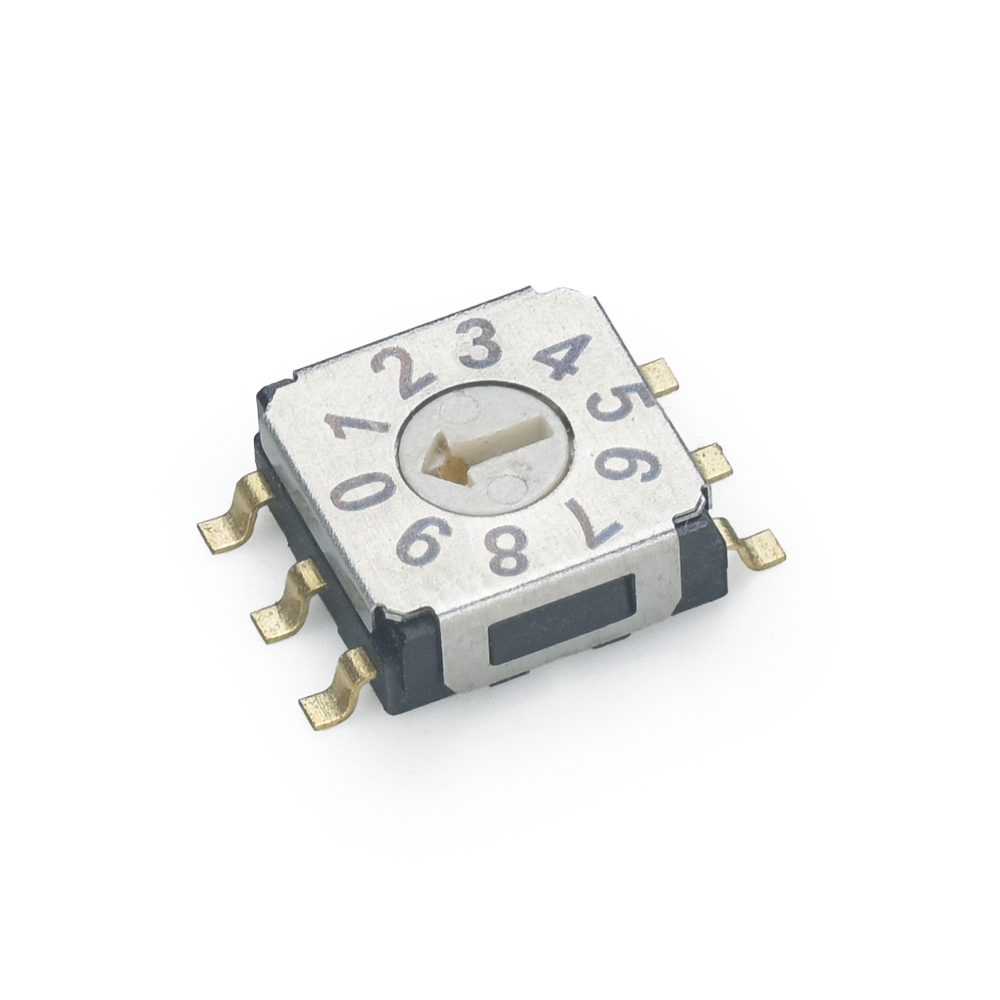
Behind every reliable electronic device sits a component most people never think about—the rotary dip switch. It’s small, silent, and easy to ignore until a single failure stalls an entire production line. This article pulls back the curtain on what truly separates a precision OEM factory from the rest. Using KEJIAN ELECTRONICS as a real-world example, it shows why micron-level tolerances and consistency proven across millions of cycles aren’t just marketing language—they’re the difference between a switch that works and one that works for years. You’ll learn what to look for in a manufacturing partner, from how tolerances are measured to how reliability is demonstrated over time. If you’ve ever wondered why some components outlast others despite looking identical, the answer is in the details covered here. The piece avoids generic buying advice and instead focuses on the engineering discipline behind dependable rotary switches. For anyone sourcing components where failure isn’t an option, this is a practical look at what makes precision manufacturing worth paying for.
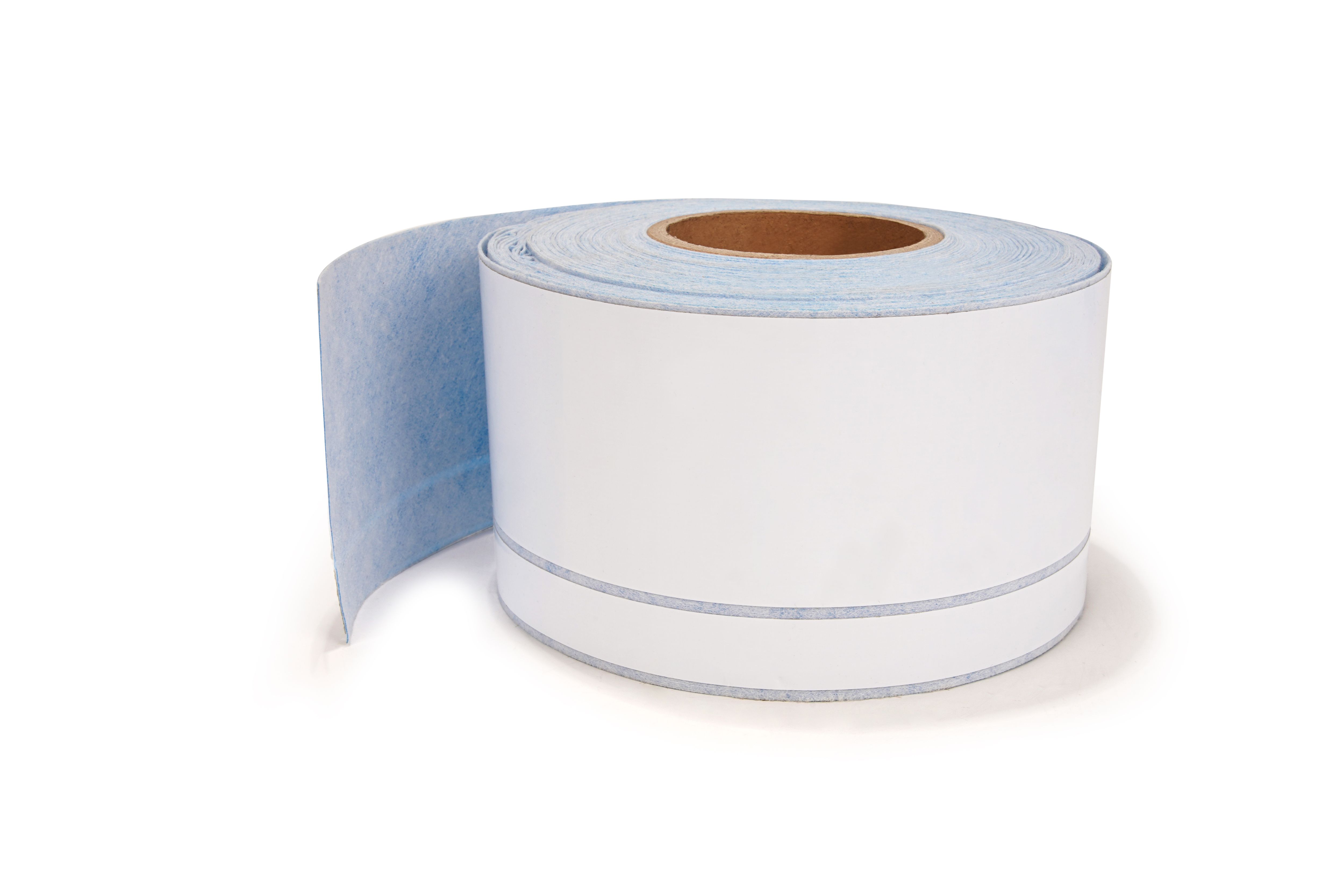
Window tape frequently gives out long before the window itself, but that recurring failure is not something you have to keep solving. This article breaks down why custom OEM tape makes a practical difference for durable sealing and insulation. It highlights Jinbo's approach to building tape around your exact production specifications instead of forcing a stock product to do the job. The main focus is on real performance gains: stopping air leaks, standing up to UV exposure, and holding strong through extreme temperature swings. Rather than listing technical specs, the piece explains how the right tape changes how windows perform once they are installed in the field. If you are preparing for another production run and want to reduce callbacks linked to seal failure, the information here offers a useful way to rethink your tape selection before committing to a large order. No fluff—just a closer look at what keeps a window sealed longer.
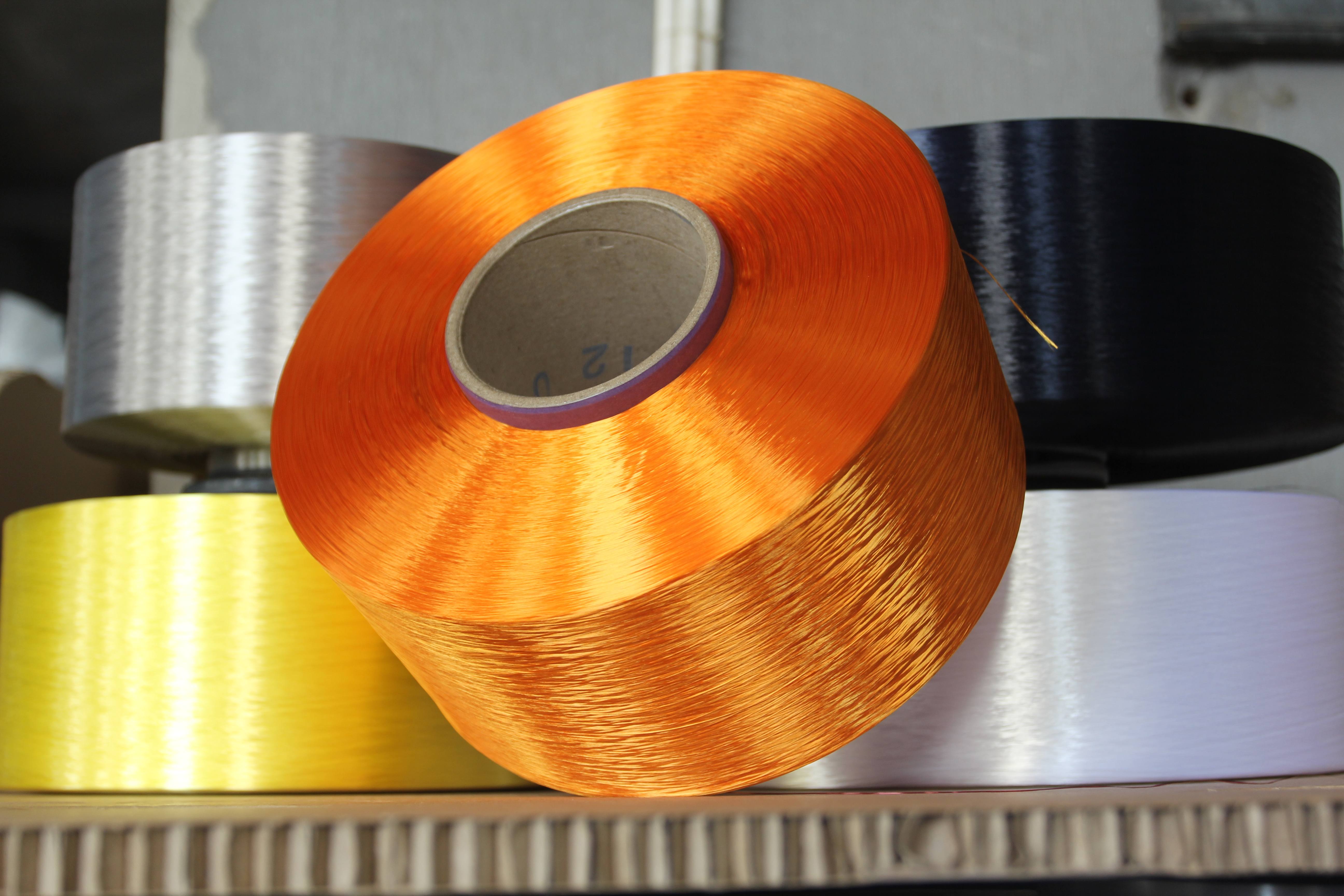
Ask any engineer working in outdoor industrial settings, and they'll tell you the same thing: most high-strength yarns break down faster than expected once UV exposure and moisture enter the picture. High-tenacity nylon 66 was already a known workhorse, but the addition of durable UV inhibitors changes the game. This article focuses on a China-made nylon 66 filament yarn from Changshu Polyester that combines exceptional tensile strength with proven anti-aging performance. Unlike standard nylon, it resists fading, brittleness, and loss of integrity after months—or years—of sun, rain, and heavy load. What really sets it apart is the balance: you don't trade toughness for weather resistance. The piece walks through why this material has become the preferred choice for demanding projects where failure isn't an option, from industrial covers to structural textiles. If you've been looking for a filament that holds up under real-world conditions rather than just in spec sheets, this one deserves a close look.
Sourcing mesh fencing from China often means wading through endless supplier lists with little certainty about who can actually deliver on quality, durability, and deadlines. This article cuts through that noise with a shortlist of ten manufacturers that have been checked for real production capacity, material standards, and proven export experience. One name receiving particular attention is Topfencesolar, which brings an unexpected edge by integrating solar functionality into fencing systems, a practical twist for projects that need more than perimeter security. From commercial sites and farm boundaries to residential properties, the guide matches different needs with solid options and explains what to look for before placing an order. It also flags common mistakes buyers make when evaluating suppliers, so you can avoid costly missteps and wasted lead time. Instead of spending hours comparing vague factory claims, readers get a focused starting point and a clearer sense of which suppliers are worth contacting first.
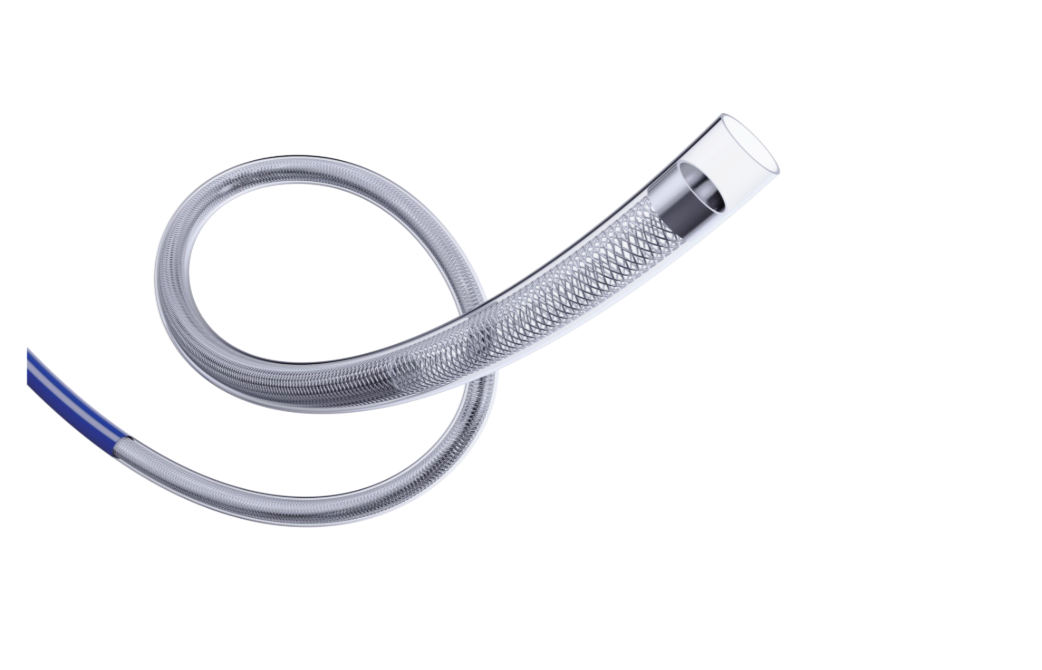
Reaching the distal vasculature in neurovascular cases is often where procedures get difficult, and there is little room for error. A well-chosen access catheter can turn that difficult step into a controlled one. INT's professional distal access catheters are designed with one goal in mind: giving interventionalists the precise control and stable support they need when navigating tortuous anatomy. Whether the target is a small vessel or a demanding angle, the design focuses on turning access challenges into routine steps. The article explores the specific engineering choices behind these catheters—from shaft construction and tip response to the balance of pushability and flexibility—and explains why those choices matter in high-stakes interventions. It is a practical guide for anyone who needs dependable distal access when the margin for error is nearly zero, offering clear insight into what separates a good access catheter from a great one in the toughest cases.
Ask any contractor what keeps them up at night, and a dull or broken concrete cutter usually isn't on the list—until it fails at 6 a.m. on a pour day. That's the starting point for this article, which looks at why honest manufacturing at Dynamic isn't just a slogan. It's the line between a tool you can trust and one you merely tolerate. The piece digs into why trustworthy production matters for real projects: unexpected downtime, the hidden expenses of cutting corners, and the way a quality concrete cutter influences more than just the cut. Readers will see how short-term savings on equipment can mean long-term frustration, and why a cutter built with integrity keeps jobs moving. If you've ever lost hours to equipment failure or questioned whether your gear is holding you back, this read offers a direct and practical perspective on what separates dependable tools from the rest.
Invisible laser radiation can damage eyes and skin before anyone notices a flash. This article looks at why many workplaces still rely on protective gear that meets minimum standards but leaves serious gaps in daily use, then introduces LASERPAIR's approach to laser safety aprons. Instead of treating compliance as a final checkbox, the company engineers each layer to perform under repeated exposure, using dense optical barriers, heat-resistant outer fabrics, and reinforced seams that resist wear in demanding production areas. You'll learn about the specific material testing and factory inspections behind the aprons, along with how ergonomic adjustments help technicians move comfortably without sacrificing coverage. The piece also offers straightforward questions safety managers can ask when evaluating current equipment against Class 3B and Class 4 laser tasks. If your crew works around invisible beams, this concise guide makes a strong case for rethinking protection before a split-second exposure turns into a permanent injury.
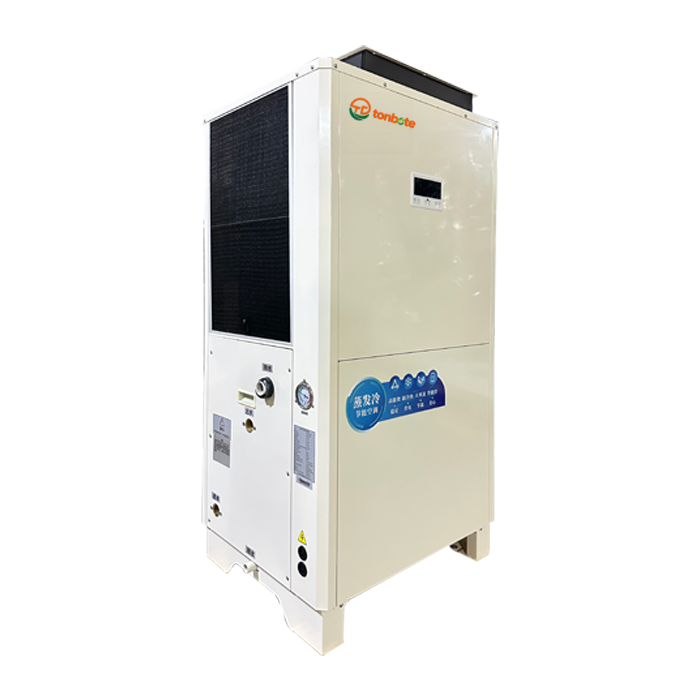
Commercial buildings frequently waste close to a third of their energy long before the HVAC system gets a fair chance to perform—an invisible gap between design assumptions and day-to-day reality. This guide digs into that gap and offers a different take on commercial energy management. Rather than relying on idealized specifications, Tongbaote focuses on how buildings actually run, then builds HVAC solutions around those real conditions. Inside, you'll discover practical strategies and system upgrades that translate ordinary heating and cooling performance into tangible energy savings. The article avoids vague promises and instead walks through specific improvements that address the root causes of waste. From equipment mismatches to control drift, each section is geared toward facility managers and building owners who want lower utility bills without sacrificing comfort. If your current system looks great on paper but disappoints in practice, this guide provides a clear, grounded path to better results. For anyone managing a commercial building, these insights can make the difference between paying for wasted energy and actually using it where it matters.