
Aluminum Parts Company: Crafting Precision Components for Modern Industries
2026-07-12
From lightweight aerospace frames to durable automotive housings, aluminum components are the unsung heroes of modern industry. DDR stands at the forefront, turning raw aluminum into precision parts that exceed expectations.
Engineering Precision into Every Aluminum Component
From the moment raw aluminum enters our facility, every process is calibrated to extract the absolute best from the material. We don’t just machine parts; we sculpt them with tolerances measured in microns. Our engineers treat each component as a unique challenge, analyzing grain structure, thermal behavior, and load paths before a single chip is cut. This upfront rigor translates into parts that fit perfectly, perform reliably, and carry a level of refinement that is immediately apparent to anyone who holds them.
The tools we use are only half the story. It’s the quiet discipline of our craftsmen—their insistence on rechecking a fixture alignment or changing a worn insert before it compromises a surface—that turns good into flawless. In our shop, a CNC program is never just a set of coordinates; it’s a dynamic dialogue between operator, machine, and material. We monitor real-time feedback, adjusting on the fly to compensate for the slightest variations in temperature or tool wear. The result is a consistency that batch after batch remains unshakably precise, without the telltale signatures of mass production.
Quality here is not a final checkpoint; it’s embedded in every step. We use custom fixturing and in-process metrology that catches deviations before they become defects. Even our packaging is engineered—machined aluminum nests and vapor-corrosion inhibitors ensure each component arrives in the same condition it left the spindle. When you hold a part made this way, you feel the absence of compromise. It’s a tangible difference that speaks of long nights perfecting a finish and a refusal to let anything leave the building until it meets a standard most shops wouldn’t even attempt.
Tailored Machining for Tomorrow’s Challenges
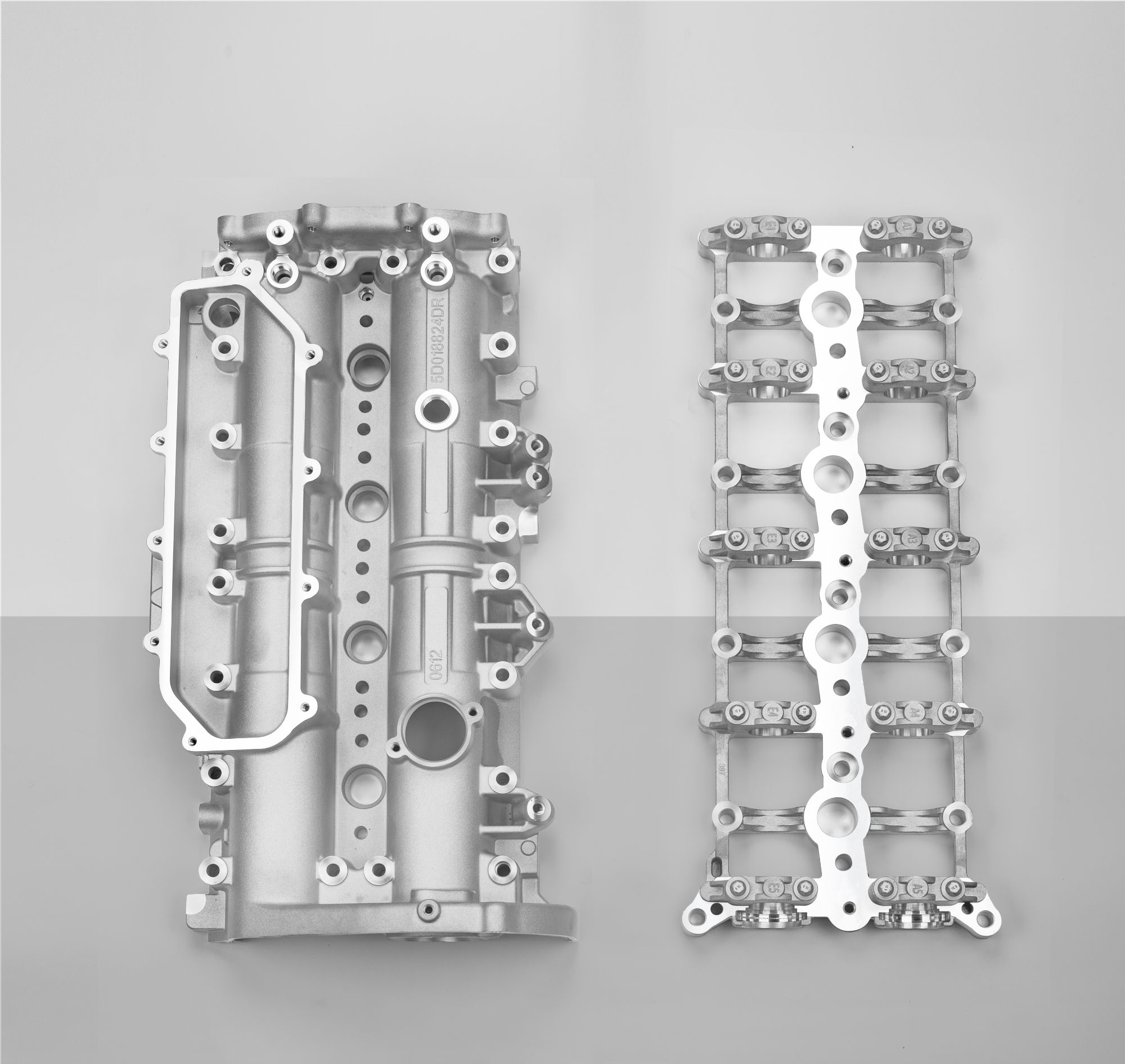
As industries evolve at an unprecedented pace, the demand for machining solutions that adapt to complex and unconventional requirements has never been higher. Off-the-shelf approaches often fall short when dealing with exotic materials, intricate geometries, or extreme tolerances. Tailored machining steps into this gap, offering a fusion of advanced engineering insight and hands-on craft that general-purpose systems simply cannot match. By rethinking every aspect of the process—from tool selection to workflow design—we ensure that each project is met with a strategy uniquely fit for its demands, not a recycled template.
The challenges of tomorrow aren’t just about tighter specs; they’re about integration. Modern manufacturing doesn’t exist in a vacuum—components must interface seamlessly with digital systems, adhere to sustainability goals, and perform reliably in harsh conditions. Custom machining services that prioritize collaboration from the first blueprint to final inspection can uncover efficiencies that rigid, volume-focused operations overlook. This mindset turns potential obstacles into opportunities, delivering parts that don’t just meet specifications but elevate the entire assembly.
Precision is no longer a competitive edge—it’s the baseline. What sets tailored solutions apart is the ability to anticipate failure points, iterate rapidly, and scale from prototype to production without losing fidelity. Whether you’re pushing the limits of miniaturization or navigating the unpredictability of new materials, a partner that treats every job as a unique puzzle ensures that your innovation isn’t held back by manufacturing constraints. That’s the difference between making parts and making progress.
Redefining Aluminum Fabrication Standards
Aluminum fabrication has historically been constrained by rigid tolerances and conventional joining methods that leave little room for creativity. We've moved beyond that, developing a fluid process where precision and adaptability coexist. Our approach treats every project as a unique challenge, applying real-time adjustments that traditional shops would consider impossible. This isn't about following a manual—it's about reading the metal, understanding its behavior under stress and heat, and crafting solutions that emerge from deep material knowledge rather than preset recipes.
The industry norm often separates design from production, creating a rift between what's imagined and what's achievable. By embedding engineering expertise directly into the fabrication workflow, we close that gap. Our teams work with aluminum alloys in ways that push their natural properties further, achieving complex geometries and seamless joints that defy typical limitations. The result is a standard that's not written in a handbook but demonstrated in every finished piece—a quiet consistency that makes ambitious designs routine.
What truly sets this new benchmark apart is an obsession with how aluminum performs over decades, not just days. We simulate years of environmental exposure, stress cycling, and thermal shifts before a single prototype exists. This long-view perspective reshapes every decision, from alloy selection to finishing techniques. The fabrication standards we're redefining aren't merely about meeting specifications; they're about anticipating how the metal will age, how it will carry loads silently, and how it will retain its integrity long after the project leaves the shop floor.
Where Durability Meets Complex Design
Designing products that stand the test of time while tackling intricate forms isn’t a task for the faint of heart. It’s a balancing act where material resilience meets ambitious aesthetics—where every joint, curve, and surface must hold up under real-world stress without compromising the original vision. Achieving this blend often means rethinking standard manufacturing processes and embracing solutions that turn complexity into a strength rather than a vulnerability.
The magic happens when engineers and designers stop seeing durability and complexity as opposing forces. Instead, they use advanced techniques—like multi-axis machining or hybrid material bonding—to craft components that are both visually striking and structurally sound. A precisely engineered internal framework can support a delicate exterior, while wear-resistant finishes protect elaborate details from daily abuse. It’s these thoughtful integrations that let a product feel solid yet refined, no matter how elaborate its silhouette.
Longevity also hinges on anticipating failures before they occur. Prototypes are pushed to extremes: torqued, dropped, weathered, and scrutinized under microscopes. The data captured informs subtle tweaks—a radius here, a rib there—that quietly elevate a piece from merely functional to exceptionally enduring. In the end, the result isn’t just a durable object with a complex design; it’s a cohesive entity where both qualities amplify each other, ensuring it remains relevant and resilient for years to come.
Streamlined Production, Exceptional Output
We cut away the layers that most operations mistake for rigor. It’s not about doing less—it’s about doing only what actually shapes the outcome. When a process can’t justify itself in a single breath, it disappears. What remains is a chain of steps so coherent that the work feels less like production and more like momentum.
That kind of simplicity doesn’t come from a checklist. It comes from watching where things snag, then redesigning the ecosystem so those friction points don’t exist. Our approach treats production as a living structure: every tool, every handoff, every checkpoint exists because removing it would genuinely hurt the final quality. The result is a pace that feels unhurried yet never wastes a minute.
Exceptional output isn’t a goal we chase. It’s what naturally surfaces when the system is tuned to eliminate noise. You see it in the consistency of what we deliver—work that doesn’t need disclaimers or rework, because the upstream logic already accounted for the pitfalls others fix after the fact. Production fades into the background; the work just speaks.
Lightweight Solutions for Heavy-Duty Demands
Modern industries face a constant tug-of-war between durability and portability. The expectation is clear: equipment must hold up under extreme stress, yet it can’t weigh teams down. Traditional materials often force a compromise, but advanced composites and intelligent engineering are rewriting those rules. By layering high-strength fibers in optimized orientations, manufacturers now craft components that shed significant mass without sacrificing resilience. This isn’t just about swapping steel for carbon—it’s a fundamental rethinking of how structure meets function, paving the way for tools that feel effortless in hand but unyielding on the job.
What makes these solutions stand out is their adaptability. A single design philosophy can translate across mining, construction, and emergency response, each with its own punishing demands. Consider a rescue sled: traditionally a rigid, cumbersome frame, now sculpted into a slim profile that slides through narrow passages yet supports critical loads. The secret lies in micro-level adjustments—varying wall thicknesses, integrated dampening nodes, and hybrid material blends that distribute force away from potential failure points. The result isn’t just lighter gear; it’s gear that moves with the user rather than against them, reducing fatigue during extended operations.
But true innovation goes beyond the blueprint. Real-world validation separates genuine breakthroughs from lab curiosities. Progressive manufacturers subject prototypes to accelerated life cycles, exposing them to salt spray, vibration extremes, and impact shocks that mirror years of abuse in weeks. This relentless testing ensures that the final product isn’t just a spec-sheet marvel—it performs when dust clogs every joint and temperatures swing 60 degrees in an hour. The payoff for crews is immediate: less weight means faster setup, quicker extraction, and the quiet confidence that their equipment won’t quit when the margin for error vanishes.
FAQ
We focus on high-precision components like CNC machined housings, brackets, heat sinks, and custom fittings. Our work spans everything from small intricate pieces for medical devices to larger structural parts for automotive and aerospace applications. Basically, if it requires tight tolerances and reliable performance, we've probably made something similar.
It starts with our machinery—we invest in top-tier multi-axis CNC equipment and keep it meticulously calibrated. But the real key is our team's experience. Every operator and inspector understands the material's quirks, and we combine automated checks with manual inspections using CMMs, optical comparators, and good old-fashioned micrometers. Documentation is thorough, so nothing slips through.
Our parts end up in a pretty wide range of sectors. Medical device manufacturers come to us for lightweight, corrosion-resistant components. The automotive sector relies on us for engine and transmission parts. We also serve aerospace, robotics, renewable energy, and industrial automation. Over time, we've built up specific knowledge for each field's requirements.
Honestly, we don't just take drawings and churn out pieces. We get involved early in the design phase—suggesting alloy choices, geometry tweaks, or production strategies that save money and improve performance. Plus, we're not a massive, impersonal factory. Clients get direct access to the team handling their project, so communication is fast and problems get solved on the fly.
It's integrated from start to finish. Raw material arrives with full certifications and gets inspected before it enters the shop. During production, we do in-process checks at key stages using statistical process control. Final inspection involves a full dimensional report and surface finish verification. We also run periodic performance tests like hardness and tensile checks. Everything is traceable back to the batch and operator.
We love those—it's where we really add value. When a client sends a complex geometry or a part with unusual functional demands, our engineers work closely with them to refine it for manufacturability. We'll often prototype a few options, machine test pieces, and iterate until the design is spot on. Even if it requires special fixturing or unconventional toolpaths, we find a way to make it work efficiently.
It's a balance of planning, technology, and empowerment. We run a lean production environment with careful scheduling to minimize setup changes. Tooling selection is optimized for each material batch. But we also give our machinists the authority to stop a job if something seems off—no questions asked. That prevents small issues from turning into big waste. Combined with preventive maintenance, it keeps everything humming at the right pace.
Conclusion
Aluminum Parts Company has built its reputation on the intricate fusion of engineering precision and bespoke machining, delivering aluminum components that perform reliably in the most demanding environments. Every project begins with a deep dive into the client's functional requirements, material behavior, and operational constraints, ensuring that even the most complex geometries are realized without compromising structural integrity. By integrating advanced CNC multi-axis milling, high-speed turning, and real-time quality verification, the company maintains tolerances that rival those of mission-critical aerospace and medical applications. This meticulous approach to aluminum fabrication not only refines existing standards but often establishes new benchmarks, enabling designers to explore forms that were once considered unfeasible. The result is a portfolio of parts where durability meets intricate design, from intricate heat sinks with micro-fine fin arrays to rugged enclosures that withstand extreme vibration and thermal cycling.
Beyond the engineering floor, the company streamlines production through intelligent workflow orchestration and adaptive toolpath strategies, converting raw billets into exceptional outputs with minimal waste and lead-time. This lean manufacturing philosophy is paired with a deep understanding of aluminum's lightweight potential, allowing the team to engineer solutions that shed weight without sacrificing strength—a critical advantage for industries such as electric vehicles, robotics, and high-performance machinery. Whether it's a custom manifold that optimizes fluid dynamics or a structural bracket that must endure constant shock loads, the emphasis remains on creating components that seamlessly integrate into larger systems and elevate overall performance. In a market crowded with generic suppliers, Aluminum Parts Company distinguishes itself by treating every order as a collaborative challenge, pushing the boundaries of what precision aluminum machining can achieve for modern industries.
Contact Us
Contact Person: Shelly
Email: [email protected]
Tel/WhatsApp: 8613967667688
Website: https://www.yongyu.com/