

Chemical Equipment & Technology Show: Leading Innovations for Modern Industries
2026-04-17
Step into the world of cutting-edge industrial solutions at the Chemical Equipment & Technology Show, where innovation meets modern industry demands. This showcase is a premier platform for exploring the latest advancements that are reshaping how we approach chemical processes and equipment. As a leader in this dynamic field, ICIF is proud to bring you insights into the technologies driving efficiency, safety, and sustainability across sectors. Join us as we delve into how these innovations are not just trends but essential tools for a competitive future, sparking curiosity about what's next in industrial evolution.
Revolutionary Advances in Chemical Processing Machinery
In recent years, the chemical industry has witnessed groundbreaking shifts as advanced materials and smart technologies reshape processing machinery. Innovations like 3D printing allow for custom-designed reactors that optimize mixing and heat transfer, while nanotechnology-enabled coatings drastically reduce corrosion and maintenance needs, boosting equipment longevity. This evolution is driven by a push for sustainability, with machinery now incorporating energy-efficient designs and real-time monitoring systems that slash waste and operational costs, making chemical plants more agile and environmentally friendly.
Another leap forward comes from the integration of artificial intelligence and machine learning, which transform traditional chemical processes into dynamic, self-adjusting operations. AI algorithms analyze vast datasets from sensors embedded in machinery, predicting equipment failures before they occur and automatically fine-tuning parameters for peak performance. This not only enhances safety by preventing hazardous incidents but also accelerates production cycles, allowing manufacturers to respond swiftly to market demands with minimal downtime, setting a new benchmark for efficiency in the sector.
Looking ahead, the synergy between robotics and chemical processing machinery is poised to revolutionize plant operations further. Autonomous robotic systems are being deployed for tasks like hazardous material handling and routine inspections, reducing human exposure to risks. Coupled with advancements in modular and scalable designs, these machines enable rapid reconfiguration of production lines for diverse chemical products, fostering innovation and adaptability in an increasingly competitive global landscape.
Smart Technologies Transforming Industrial Operations
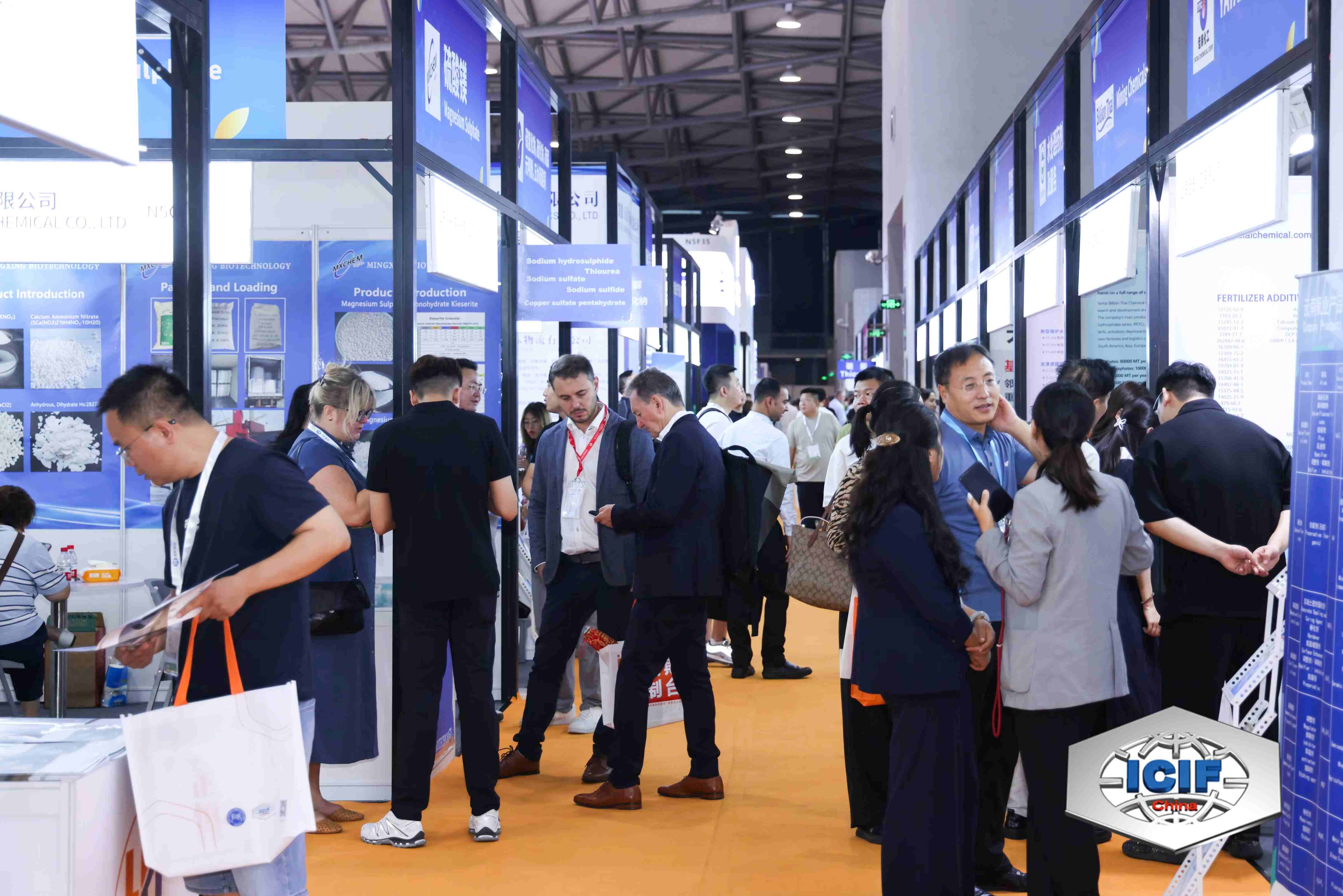
The integration of smart technologies into industrial operations marks a paradigm shift, moving beyond mere automation to create interconnected ecosystems where data-driven decisions optimize every facet of production. From sensors that monitor equipment health in real-time to AI algorithms that predict maintenance needs, these innovations reduce downtime and enhance efficiency. By leveraging IoT devices, manufacturers can track materials and products throughout the supply chain, ensuring transparency and agility in response to market demands.
In practice, this transformation is evident in smart factories that utilize robotics and machine learning to adapt production lines on the fly, tailoring outputs to specific customer requirements without sacrificing speed. For instance, digital twins—virtual replicas of physical assets—allow operators to simulate scenarios and fine-tune processes, minimizing waste and energy use. This convergence of technologies not only boosts productivity but also fosters a safer work environment by automating hazardous tasks and providing real-time alerts.
Ultimately, the impact extends to sustainability, as smart systems enable more precise resource management, cutting down on excess consumption and emissions. Companies that embrace these tools gain a competitive edge, transforming their operations into dynamic hubs of innovation where human expertise is amplified by intelligent technology, paving the way for more resilient and forward-thinking industries.
Sustainable Solutions for Greener Manufacturing
In the ever-evolving landscape of global industry, greener manufacturing is no longer just a buzzword but a critical imperative for businesses aiming to reduce their environmental impact while boosting efficiency. Sustainable solutions in this realm often start with energy management—think about integrating renewable sources like solar or wind power directly into production facilities. This shift not only cuts down on fossil fuel reliance but also slashes operational costs over time, making it a smart long-term investment. Moreover, companies are increasingly adopting circular economy principles, focusing on resource recovery and waste minimization to create closed-loop systems that minimize landfill contributions.
Beyond energy and waste, innovations in materials play a pivotal role in driving sustainable manufacturing forward. For instance, the development of bio-based or recycled materials offers alternatives to traditional plastics and metals, reducing both carbon footprints and resource depletion. Additive manufacturing, or 3D printing, is another game-changer, enabling precise material usage and less scrap compared to conventional methods. By embracing these technologies, manufacturers can craft products that are not only eco-friendlier but also more durable and adaptable, meeting consumer demands for sustainability without sacrificing quality.
Ultimately, achieving greener manufacturing hinges on a holistic approach that integrates technology, policy, and corporate culture. This involves fostering a mindset of continuous improvement, where employees are trained to identify and implement eco-friendly practices in daily operations. Companies might partner with local communities to source materials ethically or invest in green certifications that validate their efforts. As these strategies converge, they pave the way for a resilient manufacturing sector that thrives in a low-carbon economy, demonstrating how sustainability can be both a moral and economic driver in today's competitive market.
Cutting-Edge Safety and Efficiency Enhancements
In today's fast-paced industries, the push for cutting-edge safety and efficiency enhancements is transforming how businesses operate, driving not only compliance but also unprecedented performance gains. By integrating advanced technologies like AI-driven predictive analytics and IoT-enabled real-time monitoring systems, organizations can preemptively address potential hazards before they escalate into incidents, making workplaces safer and more resilient. This proactive approach reduces downtime and operational costs, creating a smoother workflow that benefits both employees and bottom-line results.
Moreover, these innovations extend beyond mere risk mitigation to foster a culture of continuous improvement, where data insights guide smarter decisions and streamline processes. For instance, automated safety checks and energy-efficient systems not only cut waste but also boost productivity, allowing teams to focus on core tasks without constant oversight. By customizing solutions to specific operational needs, companies can stand out with unique safety protocols that adapt dynamically to changing environments, ensuring they lead rather than follow industry trends.
Ultimately, embracing such enhancements translates into a competitive edge, where heightened safety standards and optimized efficiency become key differentiators that attract talent and please stakeholders. It's about crafting a forward-thinking environment that values both human well-being and sustainable growth, paving the way for long-term success in an ever-evolving market landscape.
Future Trends in Chemical Equipment Design
Looking ahead, the landscape of chemical equipment design is shifting toward smarter, more integrated systems that prioritize safety and efficiency. Gone are the days of rigid, standalone machinery; instead, we're seeing a surge in modular designs that allow for rapid adaptation to varying production needs. This flexibility isn't just about cost savings—it's about enabling quicker responses to market shifts, from scaling up for high-demand products to reconfiguring for specialty chemicals. Innovations in materials science are also playing a pivotal role, with advanced alloys and composites enhancing durability and corrosion resistance, reducing maintenance downtime and extending equipment lifespans.
Another key trend revolves around sustainability, as the industry grapples with environmental pressures. Equipment is being redesigned to minimize waste and energy consumption, incorporating features like closed-loop systems that recycle byproducts and heat exchangers that recover lost thermal energy. This isn't just greenwashing; it's a practical move toward regulatory compliance and resource conservation. Plus, digitalization is transforming how equipment operates, with IoT sensors and real-time data analytics enabling predictive maintenance. By catching issues before they escalate, these tools cut unplanned shutdowns and boost reliability, making plants safer and more productive overall.
Beyond tech upgrades, there's a growing emphasis on human-centric design, ensuring equipment is easier to operate and maintain. Think intuitive interfaces, enhanced ergonomics, and remote monitoring capabilities that let engineers troubleshoot without being on-site. This blend of high-tech and user-friendliness helps bridge skill gaps, making complex processes more accessible. As these trends converge, chemical equipment is evolving from mere hardware into dynamic, adaptable assets that drive innovation and resilience in a competitive global market.
Real-World Applications Driving Industry Growth
At the heart of today's tech boom lies a simple truth: innovations aren't just lab experiments anymore—they're solving actual problems that people and businesses face daily. From smart cities using IoT sensors to manage traffic and reduce energy waste, to AI-powered healthcare tools that predict patient risks and personalize treatments, these practical uses are pushing entire sectors forward. It’s this tangible impact that keeps investors pouring money in and sparks new startups, creating a ripple effect of growth across the board.
What’s really turning heads is how these applications bridge gaps between industries, blending tech with real-world needs in unexpected ways. Take agriculture, for instance, where drones and data analytics help farmers monitor crop health and optimize yields, cutting costs and boosting sustainability. Over in finance, blockchain isn’t just a buzzword; it's streamlining supply chains and making transactions more secure, giving companies a competitive edge. This cross-pollination of ideas doesn’t just add value—it redefines what’s possible, fueling a cycle of innovation that keeps markets thriving.
Looking ahead, the momentum isn’t slowing down. As more sectors embrace digital transformation, from manufacturing with robotics to retail using AR for immersive shopping, the demand for skilled talent and advanced infrastructure grows. This isn’t about chasing trends—it’s a grounded shift toward efficiency and adaptability, proving that when tech meets real-life challenges, it doesn’t just evolve industries; it reshapes our everyday world for the better.
FAQ
The Chemical Equipment & Technology Show focuses on showcasing cutting-edge innovations in chemical processing, equipment, and technologies tailored for today's industrial sectors. It highlights advancements that enhance efficiency, safety, and sustainability across various applications.
Professionals from industries like pharmaceuticals, petrochemicals, manufacturing, and environmental services will find it valuable. Attendees can include engineers, R&D specialists, plant managers, and sustainability officers looking to explore new solutions.
You can expect to see a range of items, from advanced reactors and mixing systems to filtration units and automation tools. The show often includes smart sensors and digital monitoring devices that integrate with modern industrial processes.
It emphasizes eco-friendly technologies, such as waste reduction systems, energy-efficient processes, and materials that support circular economy goals. Exhibitors often present solutions to minimize environmental impact while boosting productivity.
Attendees can engage in workshops, panel discussions, and informal meet-ups with industry leaders. These sessions foster connections for collaboration, knowledge sharing, and potential partnerships in innovation.
Yes, live demos allow visitors to see equipment in action, like testing new chemical formulations or operating automated systems. Interactive sessions provide practical insights into how innovations perform in real-world scenarios.
By exposing businesses to the latest trends and tools, it enables them to adopt forward-thinking strategies. Companies can discover cost-saving technologies and novel approaches to streamline operations and meet regulatory demands.
Its focus on integrating digital advancements with traditional chemical processes sets it apart. The event curates exhibits that blend hardware with software solutions, offering a holistic view of modern industrial transformation.
Conclusion
The Chemical Equipment & Technology Show showcases how modern industries are being reshaped by groundbreaking innovations, with revolutionary advances in chemical processing machinery leading the charge. These developments range from enhanced reactors and separation systems to intelligent controls that optimize production flows, directly addressing the need for efficiency and scalability highlighted in the event's focus on leading innovations. Smart technologies are transforming industrial operations by integrating IoT sensors and AI-driven analytics, enabling real-time monitoring and predictive maintenance to reduce downtime and boost productivity. This convergence of hardware and digital solutions underscores the show's commitment to future-ready advancements that drive real-world applications, fostering industry growth through practical implementations in sectors like petrochemicals and pharmaceuticals.
Sustainable solutions for greener manufacturing are a key theme, with exhibitors presenting eco-friendly materials, energy-efficient processes, and waste-reduction techniques that align with global environmental goals. Cutting-edge safety and efficiency enhancements are also prominently featured, incorporating advanced automation and ergonomic designs to minimize risks and maximize output. Looking ahead, future trends in chemical equipment design emphasize modularity, adaptability, and smart integration, ensuring that industries can swiftly adapt to evolving demands. By blending these elements, the show not only highlights current breakthroughs but also provides a roadmap for continued innovation, solidifying its role as a premier platform for fostering collaboration and driving progress in modern industrial landscapes.
Contact Us
Contact Person: Shaozhen Zhou
Email: [email protected]
Tel/WhatsApp: 0086-18612117599
Website: https://en.icif.cn/