

China Knife Gate Valve: The Ultimate Guide to Selection and Applications
2026-07-22
When dealing with demanding fluid control systems, selecting the right knife gate valve can be the difference between smooth operations and costly downtime. This guide dives deep into the world of China knife gate valves, covering everything from selection criteria to practical applications. With industry leaders like THT driving innovation, you’ll discover how to match valve design to your exact process needs. Whether you're tackling abrasive slurries or high-temperature media, the insights ahead will help you make informed decisions that boost reliability and efficiency.
What Makes a Knife Gate Valve Different from Other Isolation Valves
Knife gate valves stand apart primarily due to their unique gate design. Unlike traditional gate valves with a wedge-shaped disc, the knife gate employs a thin, beveled blade that can slice through dense media. This sharp edge allows it to cut through slurries, viscous fluids, and solids-laden flows that would quickly clog or damage other valves. The blade’s low profile also reduces the force needed to open and close, making it efficient in high-pressure applications where other isolation valves might struggle.
Another key difference lies in the seating mechanism and flow path. Knife gate valves typically feature a full-bore design, meaning the internal diameter matches the pipeline, minimizing turbulence and pressure drop. The seats are often replaceable and designed to withstand abrasion, unlike the metal-to-metal seats in many gate valves. This makes them particularly suitable for mining, wastewater, and pulp industries, where gritty materials can erode standard valve components over time. The streamlined body also prevents material buildup, ensuring reliable isolation even after extended use.
The operational torque requirements set knife gate valves further apart. Because the blade slides perpendicular to the flow rather than being forced against a seat at an angle, the actuator doesn’t have to overcome as much resistance. This not only extends the valve’s lifespan but also allows for smaller, more cost-effective actuators. Additionally, knife gate valves can be equipped with extended bonnets and packing glands to handle high-temperature or hazardous fluids, offering versatility that rigid isolation valves cannot match without significant modifications.
Evaluating Chinese Manufacturers: Beyond the Price Tag
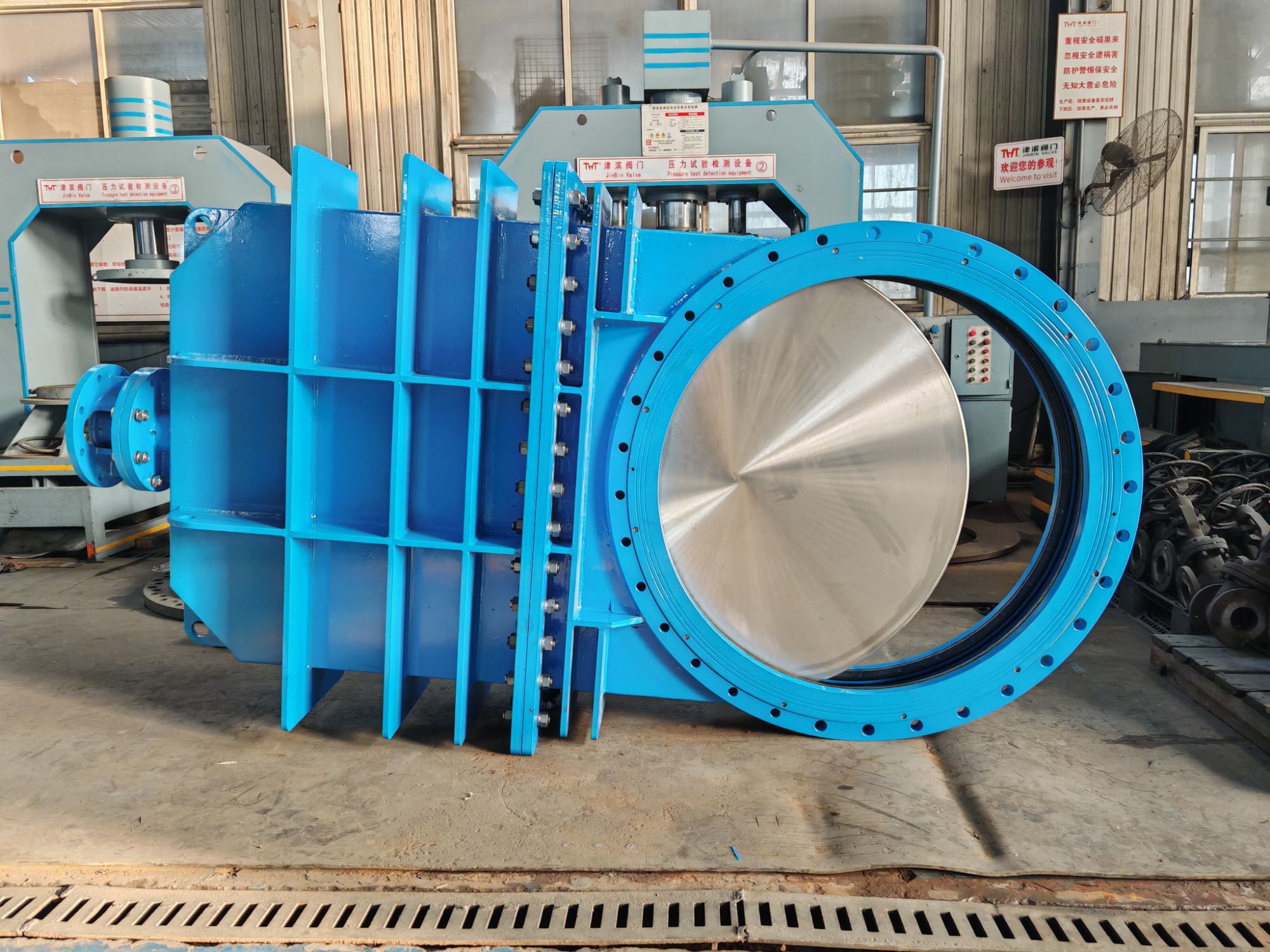
When vetting Chinese manufacturers, it’s tempting to let the bottom line drive the decision. But seasoned buyers know that a low unit cost can mask hidden inefficiencies—inconsistent material sourcing, rushed assembly, or corners cut on safety standards. A factory’s real value emerges in how they handle variance: can they maintain tolerance across a 50,000-unit run? Do their QC reports reveal systemic issues or just occasional blips? These patterns speak louder than any initial quote.
Equally critical is communication infrastructure. A supplier’s ability to parse a technical drawing, flag potential design flaws, and respond with actionable counter-proposals separates transactional vendors from strategic partners. Look for teams that ask clarifying questions rather than simply nodding yes. The ones that challenge your specs—respectfully and with evidence—often prevent costly reworks downstream.
Finally, consider their upstream relationships. A factory’s resilience hinges on the depth of their raw material network and their leverage with sub-component suppliers. During disruptions, manufacturers with diversified, long-term supplier ties keep lines moving while others stall. Tour their warehouse if possible: the inventory levels of common alloys or specialized fasteners reveal how they buffer against uncertainty. True reliability isn’t priced into the quote; it’s built into their ecosystem.
Material Compatibility: A Practical Approach to Avoid Corrosion
When dissimilar metals come into contact in the presence of an electrolyte, galvanic corrosion can silently undermine structural integrity long before visible damage appears. The practical starting point is consulting a galvanic series chart specific to the operating environment, not just a generic seawater table. For instance, stainless steel and aluminum might seem compatible in dry indoor air, but add humidity or salt spray and the aluminum will rapidly sacrifice itself. A real-world fix often involves simple isolation: non-conductive gaskets, plastic washers, or even a durable coating on the more anodic part to break the electrical path. The key is recognizing that the compatibility decision isn’t binary—it hinges on area ratios, temperature, and fluid conductivity, meaning on-site testing under actual service conditions trumps textbook assumptions every time.
Designing out corrosion also means looking beyond material couples to the entire assembly lifecycle. A classic oversight is using fasteners that are more noble than the panels they join; a zinc-plated steel bolt on an aluminum frame may seem cost-effective, but the tiny cathodic area of the bolt can cause severe pitting around each hole. Flipping the galvanic relationship—using aluminum fasteners on a steel structure—is rarely a viable alternative due to strength requirements, so protective barriers become essential. Thread sealants doped with corrosion inhibitors, or simply specifying a sacrificial coating like cadmium (where regulations permit) or a modern zinc-nickel alloy, can extend service life dramatically. The practical approach is to map out every metal-to-metal interface on a drawing during the design phase and assign a protection strategy rather than addressing failures reactively.
Finally, maintenance routines play an underrated role in maintaining compatibility. Even well-designed joints can become corrosion cells when dirt or dust accumulates and traps moisture, creating a localized electrolyte. In food processing plants, for example, stainless steel equipment mounted on mild steel supports can survive decades if weekly washdowns include thorough drying of the interface, but fail in months if left wet. Field engineers often carry a simple multimeter to check for unexpected voltage differences before retrofitting dissimilar metal additions. This habit—treating material compatibility as a dynamic condition rather than a static property—is what separates durable installations from those plagued by mysterious leaks and fractures.
Actuator Options and Their Impact on Cycle Life
Selecting the right actuator is more than just matching force and speed; it directly shapes how long a system can cycle before fatigue or failure sets in. Electric actuators, for instance, often deliver precise control and consistent motion profiles, but their cycle life can be heavily influenced by motor heat build-up and lead screw wear. In contrast, hydraulic options might handle higher loads with seemingly rugged endurance, yet seal degradation from pressure spikes often creeps up unnoticed. The key is to look beyond the datasheet headline numbers and consider how the actual operating rhythm and environmental conditions will degrade the mechanism over time.
Pneumatic actuators, widely favored for their simplicity and burst performance, tell a different story: their cycle life is largely a function of seal material and air quality. A poorly lubricated or contaminated air supply can slash expected lifespan dramatically, turning a cost-effective choice into a maintenance headache. Meanwhile, the latest smart actuators embed sensors that track wear patterns, giving engineers real-time feedback to adjust usage and extend service intervals. This shift from reactive replacement to proactive management is quietly reshaping how industries approach longevity in motion systems.
The real art lies in aligning the actuator's strengths with the specific cycle demands of the application. For high-precision, low-load scenarios, a well-tuned electric actuator might outlast a hydraulic counterpart twice its size if the task involves frequent stops and starts. Conversely, in a dirty, high-force environment, a hydraulic system with robust filtration and regular oil analysis can hit cycle counts that would be impractical for other types. Ultimately, cycle life isn't just a spec to check—it's a puzzle solved by understanding the subtle interplay between actuator design, operating mode, and the upkeep routine that follows.
Common Installation Mistakes and How to Prevent Them
One of the most frequent installation blunders is skipping the pre-installation checklist. Even experienced technicians sometimes dive straight into mounting or connecting equipment without double-checking environmental conditions, compatibility, or required clearances. This haste can lead to everything from improper fitment to long-term performance issues. Taking ten minutes to verify dimensions, power requirements, and surrounding infrastructure can mean the difference between a smooth setup and a weekend of troubleshooting.
Another trap many fall into is ignoring manufacturer instructions because they feel familiar with similar products. Not all models are the same; subtle differences in mounting points, torque specs, or cable routing can cause cascading problems. For instance, overtightening a bracket might warp a housing, while using the wrong fastener length could puncture a seal. Always treat each installation as unique, and keep the manual open—preferably on a clean, well-lit surface away from the workspace—to catch those critical details that memory alone can miss.
Finally, rushing the testing phase is a classic misstep. Flipping the switch and seeing a green light isn't enough; you need to validate full functionality under load, check for unusual noise or vibration, and ensure software or firmware updates are applied before handing over the system. I've seen countless setups fail days later because a simple sensor wasn't calibrated or a hidden kink in a hose went unnoticed. A disciplined post-installation walkthrough, using a custom checklist tailored to the exact equipment, saves embarrassment and callbacks.
When to Repair vs. When to Replace: A Cost-Benefit Breakdown
Deciding whether to fix something or buy a new one rarely comes down to a simple price tag. It’s about balancing immediate costs against long-term value, and honestly, a bit of emotional attachment sometimes. The classic rule of thumb is the 50% mark: if repairs run more than half the cost of a replacement, you’re usually better off starting fresh. But that guideline can feel too rigid when you’re dealing with a well-loved appliance that just needs a minor tweak.
Repair makes a lot of sense when the issue is isolated—like a worn belt on a vacuum or a leaky washer hose. You keep the familiar rhythm of a device you know inside and out, and you dodge the hassle of researching, shopping, and setting up something new. It’s also a smarter choice if your equipment is still fairly young and hasn’t been giving you chronic headaches. Age matters: a three-year-old dishwasher with a one-time electrical glitch? Fix it. A ten-year-old model that’s been nickel-and-diming you for months? Now you’re in a different conversation.
Replacement wins when efficiency gains start tipping the scales. That ancient furnace might still technically run, but if it’s guzzling energy and hiking up your bills, a modern upgrade often pays for itself faster than you’d think. Same goes for safety concerns—if a repair feels like a band-aid on a deeper problem, it’s time to let go. Sometimes the real cost isn’t the sticker price but the cumulative frustration of untimely breakdowns and the quiet dread of waiting for the next one.
FAQ
The design of a knife gate valve features a sharp-edged gate that can cut through thick fluids, fibers, and solids, preventing clogging. The full-bore, streamlined body minimizes flow resistance and allows slurries to pass without accumulating material. Additionally, the robust construction and optional hardened seats handle abrasive wear effectively.
Sizing should match the internal diameter of the pipeline to ensure full port flow and avoid turbulence. You’ll want to confirm the pressure class, flow rate, and media characteristics – thicker slurries may require a slightly larger valve to prevent bridging. Always consult the manufacturer’s flow coefficient charts and consider the maximum particle size in the media.
A knife gate valve uses a thin, beveled gate that slices through media, while a standard gate valve typically has a wedge-shaped disc that seats between two inclined faces. Knife gate valves are lighter, more compact, and designed for on-off service in slurries and dry solids, whereas conventional gate valves are better suited for clean liquids and gases where tight shut-off is needed.
Generally, no. Knife gate valves are intended for fully open or fully closed positions. Partially opening the gate can cause vibration, seat damage, and erosion from high-velocity flow. If throttling is required, a dedicated control valve like a V-port ball valve or a pinch valve is a much better choice.
Bodies are often cast iron, ductile iron, or stainless steel depending on pressure and corrosion requirements. Gates are typically stainless steel grades like 304 or 316, and can be hardened or coated for abrasion resistance. Seats can be metal (resilient metal seats) or elastomers such as EPDM, NBR, or PTFE, chosen based on chemical compatibility and temperature.
A bidirectional knife gate valve seals in both flow directions without a preferred installation orientation. The design uses a floating seat or a secondary sealing mechanism that is energized by line pressure. It’s essential when the flow can reverse, such as in pumping stations or tank discharge lines, and when absolute shut-off integrity is required regardless of flow direction.
Regularly inspect the gate and seat for wear or buildup, especially in abrasive services. Keep the packing gland properly adjusted to prevent leaks around the stem. Flush the valve body after use with harsh media to prevent solidification. Lubricate the stem threads according to the manufacturer’s schedule and ensure actuators function smoothly if automated.
You’ll find them extensively in wastewater treatment, mining, pulp and paper, power generation, and chemical processing. China’s manufacturing base offers valves that meet international standards, with many facilities specializing in large-diameter and high-pressure knife gate valves for demanding bulk material handling and slurry transport systems worldwide.
Conclusion
Unlike traditional gate, globe, or ball valves, a knife gate valve features a sharp-edged blade that slices through thick media, making it ideal for slurries and viscous fluids where other designs often clog or fail. When sourcing from China, it's tempting to chase the lowest price, but a focus on upfront cost alone can lead to overlooked details in casting quality, seal materials, and testing protocols. A deeper evaluation of a manufacturer's engineering capability and consistency is crucial. Furthermore, material compatibility demands a practical lens: beyond simple chemical resistance charts, consider the real-world interaction between the media, temperature swings, and the valve body and seat materials. For instance, duplex stainless steels or polymer-lined options can dramatically extend service life in aggressive environments, avoiding premature corrosion that cripples isolation reliability.
The choice of actuator—manual, pneumatic, electric, or hydraulic—directly shapes how the valve performs over thousands of cycles. Pneumatic actuators offer fast response for frequent operations, while electric actuators enable precise control; however, undersizing or ignoring duty cycle can shorten component life considerably. Installation mistakes, such as misaligning flanges, forgetting to support pipe weight, or installing the valve upside down in slurry lines, remain common but preventable through simple field checks. Finally, the decision to repair or replace a knife gate valve often hinges on a realistic cost-benefit analysis: consider seal and seat wear patterns, the availability of spare parts, and the upgrade potential of newer designs that may incorporate improved packing technology. A stitch-in-time repair can save money if the body is sound, but sustained leakage or erosion damage usually warrants replacement to avoid unplanned downtime.
Contact Us
Contact Person: Su Zhang
Email: [email protected]
Tel/WhatsApp: +86-25219206
Website: https://www.tht-valve.com/