
China Swift Water Rescue Life Jacket Guide for Swiftwater Rescue Operations
2026-11-16
Most life jackets are built for calm lakes and slow rivers, but swiftwater rescue doesn't care about those conditions. In China's flood-prone regions, a rescue PFD has to handle debris, hydraulic recirculation, and currents that can tear ordinary gear apart in seconds. This guide breaks down what actually matters when you're choosing a life jacket for swiftwater operations: buoyancy ratings, quick-release systems, and the failure points that show up only when it's too late. It's not about checking a box; it's about coming home. For teams that train and respond in the worst conditions, Jianghe Flood Prevention has seen which features make the difference between floating and fighting for your life.
Choosing Buoyancy That Matches Chinese River Conditions
China's river networks range from fast, boulder-strewn upper reaches to slow, silty deltas, and the buoyancy you pick has to account for that spread. On the upper Yangtze or Jinsha, water speeds regularly exceed 4 m/s with sharp eddy lines, so a higher flotation rating and quick-draining panels matter more than on the lower Han or Pearl, where tidal influence and long flat stretches dominate. Ignoring local flow patterns often leaves paddlers either over-buoyant in sluggish water or dangerously under-supported in rapids.
Sediment load also plays a role that generic buying guides miss. The Yellow River carries fine loess that can clog valves and stiffen inflatable chambers, while many southern tributaries push floating debris against your gear. Choosing buoyancy with smooth outer shells, recessed fittings, and easy rinse ports helps prevent silt buildup and snagging. In colder northern rivers like the Songhua, neoprene or closed-cell foam retains more lift than simple air bladders when water temperatures drop, and it resists abrasion from drifting ice.
A practical approach is to test any buoyancy aid in the specific river section you plan to use it, not just a swimming pool. Adjustable straps or modular flotation inserts let you fine-tune lift for changing water levels between dry season and flood season. Pay attention to how the device performs when floating through whirlpools or near submerged rocks: if it rides too high, you lose maneuverability; too low, and your breathing space shrinks in choppy water. Match the rating to the heaviest load you expect, including gear, and leave a margin for cold-water shock.
How Quick-Release Belts Fail in Murky Water
Silt and suspended debris work their way into the spring-loaded pawls and locking channels of a quick-release buckle. The fine grit acts like a lapping compound, grinding against the release lever’s pivot until the mechanism loses its crisp travel. In water with less than a foot of visibility, a diver feels for the buckle and finds the lever mushy and unresponsive, as if the whole assembly is packed with wet sand. Even a firm squeeze can fail to overcome the friction, leaving the belt locked at the worst possible moment.
The design assumes a clean, decisive pull in a single direction, but murky water rarely agrees. Nylon webbing swells after prolonged immersion, and sediment builds up inside the female receptacle, narrowing the slot the male tang must slide through. A diver wearing thick neoprene gloves loses the tactile feedback needed to align the parts, so the release tab gets yanked at an angle. The buckle flexes, the edges bind, and instead of a quick separation the belt only tightens around the waist.
A partially released buckle in dark water is more dangerous than a fully stuck one. The tang can back out just enough to look disengaged by touch but remain caught on a worn corner or a fold of webbing. The diver, believing the belt is off, wastes time reaching for other gear while the belt still traps a harness or weights. Some designs also require a secondary manual spread once the button is pressed, and without visual confirmation that step gets skipped or half-finished. What works in clear, calm conditions becomes a trap when the water hides the very parts you need to see.
Fit Checks That Matter Before Entering Fast Currents
Before you even think about stepping into moving water, make sure your PFD isn't riding up when you shrug your shoulders. A proper fit means the jacket should feel snug around the torso but still let you breathe deeply. If you can pull the shoulder straps more than an inch away from your body, it's too loose. Also check that all buckles and zippers close without forcing them; a jammed zipper ten feet from a rapid is not the time to discover it.
Wetsuit or drysuit fit matters just as much. Neoprene that bunches behind the knees or under the arms restricts your paddle stroke and makes swimming harder. You want a seal around your neck and wrists that's tight enough to keep most water out but not so tight it leaves red marks or cuts circulation. Move your arms through a full paddling motion and twist side to side. If the suit pulls at your shoulders or exposes your lower back, adjust or swap before you commit to fast current.
Footwear and helmet deserve a quick check too. Booties or river shoes need a snug heel and enough toe room to curl your toes, but not so much that your foot slides forward on wet rocks. A helmet should sit low on your forehead, just above your eyebrows, and stay put when you shake your head side to side. If any part of your gear feels like it needs constant readjustment on dry land, it will only get worse in the current. Take the extra two minutes to get it right.
Layering Under a Rescue Vest Without Restricting Movement
When you're pulling a rescue vest over insulation, the real trick is keeping bulk away from the hinge points—armpits, shoulders, and the back of the neck. Start with a fitted base layer that wicks sweat instead of trapping it. A slim merino blend or a low-profile synthetic works better than a baggy cotton tee, which bunches up and grabs at the vest's shoulder straps every time you reach overhead.
For the midlayer, skip anything with a thick collar, oversized hood, or bulky zippers. A lightweight grid fleece or a compressible insulated jacket with underarm gussets gives you warmth without turning your torso into a stiff tube. Pay attention to sleeve length too—if the cuffs ride up when you extend your arms, they'll pull the vest sideways and restrict your reach.
Finally, adjust the rescue vest itself to sit high and snug over the layers, but don't crank the side straps so tight that you can't take a full breath or rotate your shoulders. Leave just enough room to slide two fingers under the straps, then test a full range of motion: reach overhead, bend forward, twist side to side. If the vest shifts or digs in, remove one thin layer rather than loosening the vest to the point where it no longer stays put during a rescue.
Cleaning and Drying After Silt-Laden Floods
Begin by removing as much silt and mud as possible while it is still wet. Use shovels, scrapers, and high-pressure hoses to clear floors, walls, and any salvageable belongings. Avoid pushing debris into drains or waterways, as the fine sediment can cause secondary blockages and pollution. Work from the highest point downward so that rinse water carries loosened silt toward the exit rather than re-contaminating cleaned areas.
Once the bulk of the silt is gone, wash all hard surfaces with a detergent solution and clean water. Scrub corners, crevices, and joints where silt tends to pack tightly. For porous materials like wood or concrete, multiple rinses may be needed to lift embedded particles. After washing, dry the space aggressively—use dehumidifiers, fans, and open windows to create cross-ventilation. Watch for lingering dampness in wall cavities and under flooring, as trapped moisture can lead to mould growth within 48 hours.
Check for hidden silt deposits behind baseboards, inside electrical boxes, and beneath appliances. These pockets can hold moisture long after visible surfaces appear dry. Replace or professionally clean air ducts and filters if they were exposed to floodwater. Finish by monitoring indoor humidity levels for several weeks; if they stay above 60%, additional drying or mould remediation may be required.
Training Drills That Reveal Vest Weaknesses
Start with a simple sprint-and-drop sequence: mark two points about thirty meters apart, run hard between them, then hit the deck and pop back up. Within three or four reps you'll notice if the shoulder straps slide outward during the sprint or if the side buckles dig into your ribs when you land. That kind of movement tends to expose loose adjustment points and poorly placed quick-release pulls far faster than static wear.
Next, add a barrier or low wall and repeat the same drill, but this time climb over, crawl under, and roll onto your side before getting up. Pay attention to what happens to the front pockets and magazine pouches. If the vest shifts enough to block your draw stroke or if items work their way out during the roll, that's a clear sign the retention system isn't up to real use. You'll also hear rattling or flapping from zippers and straps that stay silent during a casual walk.
Run the whole sequence while wearing the vest over just a t-shirt, then again over a jacket. Different layers change how the vest sits, and drills can reveal pressure points along the neck and lower back that only appear after repeated transitions. If you're constantly tugging the vest back into place or adjusting the cummerbund, the weakness isn't your conditioning—it's the fit.
FAQ
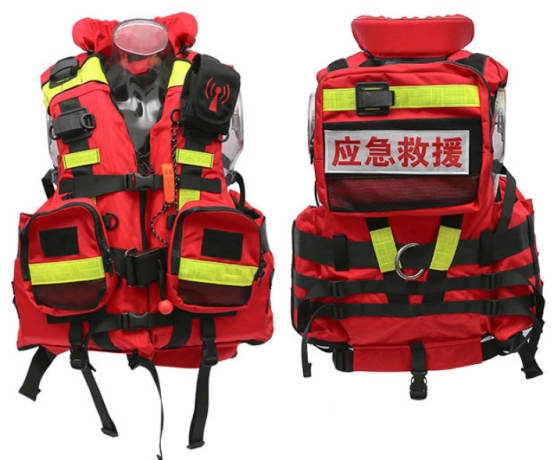
Focus on buoyancy rating, quick-release harness, leg straps, and high-visibility colors. Many Chinese suppliers now carry models meeting ISO 12402-5 or 12402-6, but verify the certification label rather than relying on marketing.
50N is the baseline for a buoyancy aid, but rescue-specific vests often push 100N to 150N. If you expect unconscious victims or long swims, choose 100N or higher and test it with your gear.
Some are excellent, some are not. Check stitching quality, buckle strength, and whether the quick-release belt works under load. Request samples and do a pull test before bulk ordering.
No. Recreational vests lack a quick-release harness, often have insufficient buoyancy for towing, and may not stay secure in fast current. Rescue vests also have a cowtail attachment point that recreational jackets don't.
Before every deployment and at least once a month in storage. Look for frayed webbing, corroded buckles, fading, or damage to the foam panels. Replace the jacket if the quick-release belt doesn't fire cleanly.
It allows a rescuer to disconnect from a tow line under tension. If the line snags, pulling the release handle detaches the belt so you don't get dragged under. Practice this movement regularly.
China has GB standards for lifejackets, but many swift water rescue teams also accept ISO 12402. Ask the supplier for test reports and make sure the jacket has a label showing the standard it meets.
Rinse it with fresh water after use, dry it away from direct sunlight, and hang it by the shoulders. Don't store heavy gear on top of it, as compression damages the buoyant foam over time.
Conclusion
While many international life jacket guides treat rivers as generic, China's waterways demand a more localized approach. The right buoyancy isn't just about Newton ratings—it's about matching the jacket to the specific character of Chinese rivers, from silt-heavy floodwaters in the Yangtze basin to rocky, fast-dropping mountain channels in Sichuan or Yunnan. For swiftwater work, a jacket with too little flotation may fail to keep a rescuer above aerated water, while too much can hinder maneuvering around debris. Quick-release belts deserve special scrutiny here because murky, sediment-laden water works grit into buckle mechanisms. A belt that releases smoothly in a clean pool can jam when packed with fine silt, so rinsing and testing the release after every exposure is non-negotiable. Before entering fast currents, fit checks must go beyond a simple tug: cinch the side straps, tighten the shoulders, and have a partner try to lift the vest by the shoulder tabs. If it rides up past the ears, it will not work in turbulent flow.
Layering under a rescue vest in China's variable climate—cold high-altitude rivers in the west, humid heat in the south—requires careful choices. Use thin, close-fitting insulation like a fleece or neoprene top rather than bulky jackets that restrict arm lift and chest expansion. The vest must sit flush over these layers without compressing them into rigid plates. After a deployment in silt-laden floodwater, cleaning is not optional; sediment hides in every seam, zipper, and buckle. Rinse the vest with low-pressure fresh water, scrub lightly with mild soap, and let it dry in the shade, not direct sun, to avoid weakening the shell. Finally, training drills should be designed to expose weaknesses that inspection alone misses. A drill that requires releasing the quick-release belt while fully submerged in murky water, or swimming a short rapid with a partner hanging on, will quickly show whether buckles jam, straps loosen, or flotation shifts. No guide replaces these practical tests.
Contact Us
Contact Person: Kristin Zhang
Email: [email protected]
Tel/WhatsApp: +8615366239752
Website: https://www.jianghecn.com/