

Chips Production Line Supplier Guide: Streamlining Your Semiconductor Manufacturing
2026-05-25
In the high-stakes world of semiconductor manufacturing, every second of downtime or misaligned process can ripple into costly delays. Choosing the right chips production line supplier isn't just a procurement checkbox—it's a strategic move that defines your factory's throughput and yield. Yet, with a flood of generic solutions on the market, how do you cut through the noise? Here, we pull back the curtain on what truly streamlines your operation, and why innovators are turning to MINGDE for a fresh perspective that challenges the status quo.
Pinpointing Your Factory’s Core Needs
The biggest clues to what your factory truly needs often hide in the daily rhythm of the shop floor. Look past the summary reports and watch where the work slows down, where materials pile up, or where quality checks fail most often. Talking to the people who run the machines and handle the orders reveals patterns that no dashboard captures — like a recurring jam at a specific conveyor bend or a shift that always runs short on a critical supply. These small, persistent frictions are the real bottlenecks, not the ones neatly summarized in a monthly review.
It’s easy to chase after the latest equipment upgrades, but many factories waste money solving problems they don’t have. Step back and ask: what invisible costs are eating into your margins? Maybe it’s the energy spike every time a certain line restarts, or the wasted movement because raw materials are stored too far from the first workstation. Sometimes the core need isn’t a new machine but a smarter layout, a simple signal system, or retraining that targets one persistent error. These quiet drains on efficiency are rarely found in a brochure.
Finally, tie every potential fix back to what your factory is actually trying to achieve — whether that’s faster turnaround, longer tool life, or safer working conditions. A solution that boosts speed but triples maintenance time is a mismatch, not an improvement. Talk to your customers, too; their complaints about late shipments or inconsistent batches are direct pointers to where your internal process breaks. True core needs sit at the intersection of floor-level reality and business goals, and pinpointing them means listening to the factory itself, not just the sales pitches.
Vetting Suppliers Beyond the Brochure
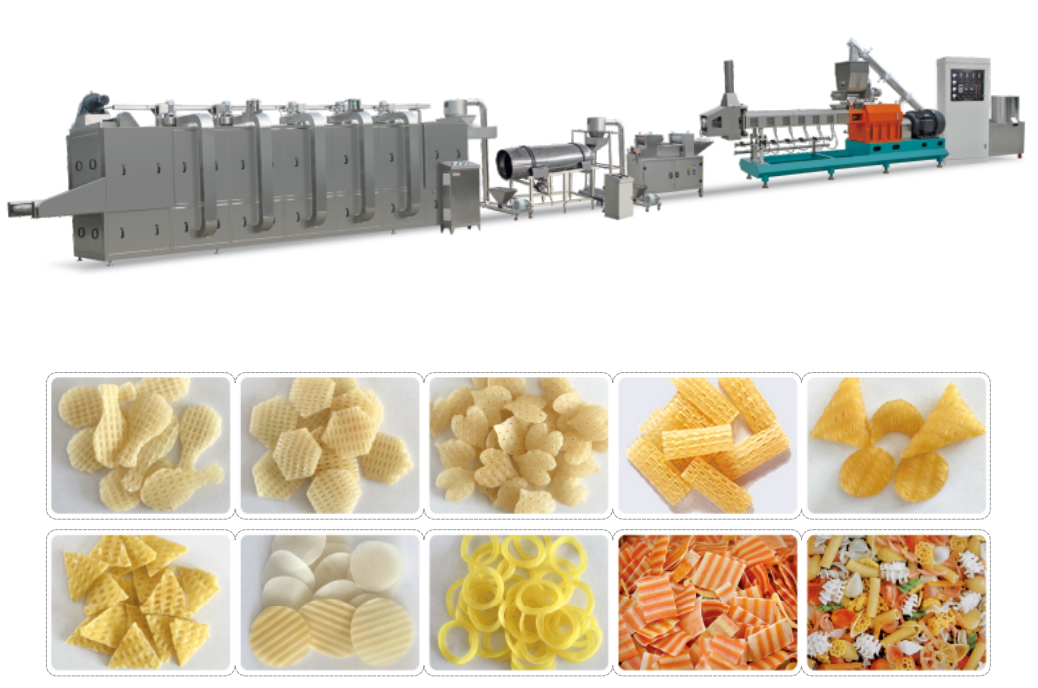
Relying solely on a polished brochure is a common misstep that can lead to costly mismatches. A supplier's true capabilities are rarely captured in marketing materials, which are designed to impress rather than inform. To vet a supplier properly, one must look past the curated images and well-crafted taglines to tangible evidence of their work. This means requesting detailed case studies that mirror your specific needs, not just the highlights of their biggest clients.
Direct engagement offers the most honest glimpse into a supplier's operations. Schedule a visit to their facility whenever possible, or arrange a video walkthrough if travel isn't feasible. Observe the workflow, the condition of the equipment, and the team's expertise firsthand. Pay attention to how they handle unexpected questions—a supplier worth partnering with will welcome scrutiny and provide transparent answers, rather than deflecting with more glossy promises.
Finally, scrutinize their consistency and problem-solving history. Speak with references who have pushed the supplier beyond standard orders, and ask about times things went wrong. Every vendor has challenges; the differentiator is how they resolved them. Did they communicate proactively, or did issues only surface after the fact? Real vetting uncovers patterns that no brochure would ever advertise, ensuring you choose a partner equipped for the unvarnished realities of long-term collaboration.
Wiring Your Line for Smart Automation
Getting your line ready for smart automation starts with a clear plan. Sketch out where your devices will go and map the cable paths so you’re not tripping over loose wires later. Think about how signals will travel—whether it’s power, data, or both—and choose the right gauge and shielding to keep things humming without interference. A little extra thought upfront saves hours of troubleshooting down the road.
When it’s time to get hands-on, group your wires by function and keep high-voltage runs well away from low-voltage data lines. Use labeled conduits or raceways to protect everything and make future tweaks painless. Crimp, solder, or clamp each connection with care—solid contacts are the unsung heroes of reliable automation. If possible, add a loop of slack at junction points, so you can reposition sensors or swap modules without rewiring the entire setup.
Finally, test each segment before you seal everything up. Power on slowly, check signal paths with a multimeter or a continuity tester, and confirm that your controllers can talk to every endpoint. Even a tiny miswiring can send a smart system into a tailspin, so patience here pays off. Once you’re certain the circuit is solid, tag each cable clearly and snap a few photos for your records. Clean, well-planned wiring transforms a jumble of gadgets into a truly automated environment that just works.
Baking Quality into Every Chip
Great chips aren't made by accident. Every batch starts with meticulous sourcing of raw materials and a relentless focus on consistency, ensuring that each slice, strip, or bite meets the same high bar. From the field to the fryer, we let the ingredients speak, intervening only to preserve the taste and texture that made them exceptional in the first place.
We run small-batch testing after every shift, pulling random samples not because a regulation tells us to, but because anything short of crisp perfection feels like a broken promise. Temperature curves are adjusted by hand, seasoning blends are calibrated down to the gram, and no bag leaves the line until it passes a sensory panel that can spot an off-note a mile away. That's how flavor becomes a habit.
The final touch is a no-rush packaging process that traps freshness at its peak, locking in the sound of a snap and the aroma of just-roasted corn or potato. We don't chase shortcuts that compromise shelf stability, and we never cut corners on the oil that carries the taste. What reaches you is exactly what we'd want on our own table—a chip built from the inside out to make quality the only ingredient you'll remember.
Unlocking Long-Term Cost Advantages
Real long-term savings rarely come from slashing budgets overnight. They’re built into the design of your operations—smarter workflows that eliminate duplicate effort, supplier relationships that flex with your volume without surprise fees, and technology that automates the boring stuff before you even notice the drain. It’s not about spending less today; it’s about engineering a system where cost efficiency becomes the natural byproduct of how you work.
What trips most teams up is mistaking cheap for durable. A bargain tool that breaks in six months, a service contract riddled with hidden escalation clauses, or a rushed process that demands constant supervision—these leak value silently. The shift happens when you start measuring cost through a lifecycle lens: upfront price versus five-year maintenance, training overhead, and friction points that slow your people down. That’s where the quiet margin growth lives.
Ask any operations veteran and they’ll tell you the same: the biggest cost levers are invisible to the monthly report. It’s the inventory buffer that prevents a stockout during peak season, the modular infrastructure that expands without rewriting your entire stack, the cross-training program that turns specialized roles into a flexible bench. These aren’t flashy moves, but they compound quietly into a structural advantage that competitors find costly to replicate.
Adapting to Next-Gen Manufacturing Shifts
The factory floor is evolving beyond recognition, driven by a blend of edge computing, autonomous robotics, and real-time data streams that force a rethink of traditional production cadences. Rather than chasing every shiny innovation, plants that thrive are treating adaptability as a core competency—rewiring workflows so that human expertise and machine precision reinforce each other, not compete. This means ditching rigid assembly lines for modular workstations that can pivot overnight, and investing in cross-skilling so technicians become troubleshooters who work alongside collaborative robots instead of merely tending to them.
Resilience is no longer just about backup suppliers; it’s about designing production networks that learn. By weaving digital twins into daily operations, teams can rehearse supply shocks or demand spikes without risking real output, turning hypothetical scenarios into muscle memory. Meanwhile, sustainable practices are moving from compliance checkboxes to competitive differentiators, with closed-loop material flows and energy-aware production scheduling becoming standard. The shift is less about predicting the future and more about building a system where change doesn’t break the rhythm—it fuels it.
FAQ
Focus on their experience with your specific node size and wafer type. A supplier that understands the intricacies of your process—whether it's MEMS, logic, or memory—can save you months of tweaking. Ask for case studies where they resolved similar production hurdles, and pay attention to how they handle post-installation support.
Map out the entire flow first—often the problem sits in material handling or wait times between steps. Automating wafer transfer and implementing real-time data logging can expose hidden delays. Work with suppliers who offer modular upgrades so you don’t have to rip out entire stations. Small tweaks, like optimized scheduling algorithms, often yield big gains.
Inconsistent documentation, vague responses about spare parts availability, or lack of a local service team are major warnings. If a supplier can’t show you a live production setup similar to yours, be cautious. Also, check how transparent they are about software updates—obsolete control systems can stall a line for days.
In chipmaking, late equipment can derail quarterly targets. A delayed etcher or lithography tool might set back the entire qualification process. Always build buffer periods into project plans, but more importantly, vet suppliers for historical on-time delivery rates. Some offer consignment stock for critical parts, which can soften the blow.
Cheap parts often cause expensive downtime. Instead of focusing solely on upfront price, calculate total cost of ownership—including energy consumption, maintenance frequency, and expected lifespan. A slightly pricier deposition system that runs cooler and fails less often pays for itself. Negotiate multi-year service contracts to lock in predictable costs.
Absolutely. Retrofitting smart sensors and unified control panels can breathe life into legacy lines. You don’t need a full lights-out setup; even automated defect inspection and recipe management reduce human error noticeably. The key is choosing suppliers who offer backward-compatible modules rather than pushing a total overhaul.
Not nailing down intellectual property clauses and process data security. Your yield recipes and equipment tweaks are competitive secrets—make sure the supplier can’t repurpose them. Also, include clear exit terms: if they can’t meet uptime guarantees, you need a way to escalate or switch without penalty.
Conclusion
Establishing a competitive semiconductor fabrication line demands more than a generic equipment checklist—it requires a sharp focus on your factory’s exact production targets, from wafer size and throughput to cleanroom class constraints. Start by mapping out current and future chip designs, because a supplier who truly understands your process flow can propose tooling that elevates yield rather than just filling floor space. Look past glossy brochures and dig into field performance: visit reference sites during live production, talk to engineers about unplanned downtime, and scrutinize how quickly spare parts arrive. Smart automation isn’t a bolt-on afterthought; it’s the nervous system of your line. Ask how a supplier’s equipment integrates with factory-wide MES and SECS/GEM standards, whether it supports predictive maintenance via real-time data streaming, and how easily recipes can be adapted on the fly. The goal is a seamless orchestration where material handling, process control, and inspection tools feed into a single analytics backbone, turning raw sensor data into actionable alerts before defects multiply.
Quality can’t be tested in at the end—it must be engineered into every deposition, etch, and lithography step. The right supplier partners with you to tighten process windows, offering in-situ metrology and run-to-run control that catches excursions instantly. This approach not only cuts scrap but also shortens ramp-up time for new chip variants. Beyond the cleanroom, a savvy supplier relationship unlocks long-term cost advantages through modular platform designs that let you upgrade chambers rather than replace entire tools, and through flexible service contracts that align with your fab’s utilization patterns. As the industry pivots to advanced packaging, heterogeneous integration, and even non-silicon materials, your equipment lineup must be adaptable. Look for suppliers with a clear roadmap for supporting chiplets, hybrid bonding, or GaN-on-Si processes, and those who are already collaborating with leading research consortia. By selecting partners who invest in both evolutionary and breakthrough innovation, you build a line that can shift gears as market demands evolve—ensuring your investment stays relevant for the next node and beyond.
Contact Us
Contact Person: LILY SUN
Email: [email protected]
Tel/WhatsApp: 0086-13969103791
Website: https://www.snackfoodmachinery.com/