

Commercial Energy HVAC System Solutions for Efficient Building Performance
2026-10-05
Most commercial buildings waste nearly a third of their energy before the HVAC system even gets a chance to perform efficiently. That’s the hidden gap between design assumptions and real-world operation. At Tongbaote, we focus on closing that gap with commercial energy HVAC system solutions built for how buildings actually run—not just how they look on paper. In this guide, we’ll unpack the practical strategies and system upgrades that turn everyday HVAC performance into measurable energy savings.
Rethinking Rooftop Units: Smarter Upgrades for Aging Commercial HVAC
A lot of commercial buildings still run on rooftop units that were installed decades ago, back when energy was cheaper and controls were mostly just an on/off switch. The typical response when one of these units fails is to replace it with a similar model, but that misses a real opportunity. Instead of swapping like for like, facility managers should look at what the building actually needs now: tighter humidity control, better part-load efficiency, and the ability to monitor performance without sending a technician up a ladder every few weeks.
One of the smartest moves is to add variable-speed compressors and fans to an existing cabinet. These components let the unit ramp up or down based on real demand instead of blasting at full capacity and cycling off. Pair that with demand-controlled ventilation and a modern economizer, and you can cut energy use without sacrificing comfort. Even something as simple as upgrading the sensors and adding a small building automation interface can pay for itself by catching refrigerant leaks or dirty coils before they turn into expensive failures.
The key is to stop treating rooftop units as disposable boxes. With the right retrofit kit and a little foresight, an aging unit can often run another ten or fifteen years at a fraction of replacement cost, while using far less energy than the original design. It's less about buying new equipment and more about making the old equipment work the way it should have all along.
The Hidden Efficiency Gold in Your Building's Air Distribution
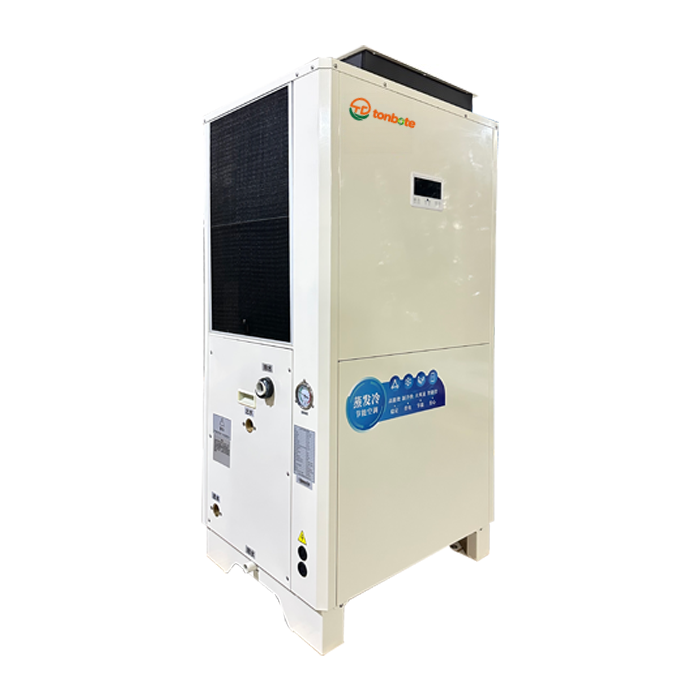
Most facility managers check chillers, boilers, and controls when chasing energy savings, but the ductwork overhead rarely gets a second look. That's a costly oversight. Air distribution systems hide a surprising amount of inefficiency in plain sight: leaky joints, poorly balanced branches, oversized fans running against closed dampers, and filters loading up long before anyone notices. Tuning these overlooked elements often delivers savings that dwarf more glamorous upgrades.
Static pressure setpoints are a prime example. Many systems run at fixed pressures designed for peak load, even when the building is half empty. By resetting pressure based on actual demand, you let fans slow down and stop fighting the ductwork. The same goes for zone dampers: when they stick or hunt, conditioned air ends up in stairwells and storage rooms instead of occupied spaces. A quick audit of damper positions and a few well-placed pressure sensors can reveal exactly where your air—and your money—is going.
Another quiet goldmine is duct leakage. Even well-installed systems often lose 10 to 20 percent of conditioned air through gaps that nobody sees. Sealing accessible joints and adding modest insulation where ducts run through unconditioned areas is cheap, fast, and directly cuts both fan energy and thermal losses. Pair that with a seasonal rebalance, and you'll often find you can trim fan speeds, extend equipment life, and improve comfort without touching the big-ticket plant equipment.
From Constant to Variable: How Modern Compressors Cut Energy Waste
Older industrial air compressors run at one fixed speed no matter the demand. When the system pressure hits the upper setpoint, the unit either unloads or blows off excess air, yet the motor keeps spinning and drawing power. That idle consumption can be surprisingly large, often 20 to 35 percent of full-load energy, purely to keep the machine ready for the next cycle.
Variable-speed drive compressors invert that logic. The motor speed follows the actual airflow requirement, so at partial load the power draw drops almost linearly with output. Instead of wasting energy through repeated unload cycles, the drive simply slows the screw element, cutting both electricity use and mechanical wear. In many plants, this one change removes the largest single source of compressed-air waste.
The savings are easiest to spot in systems with fluctuating demand, such as packaging lines, automotive assembly, or food processing shifts that ramp up and down. But even a relatively stable production schedule benefits, because pressure bandwidth tightens and the system no longer has to overshoot the target just to keep the fixed-speed machine from short-cycling. The result is lower kWh per cubic meter of air, fewer maintenance interventions, and a compressor that actually matches the plant's rhythm rather than forcing the plant to work around it.
Demand-Controlled Ventilation: Matching Fresh Air to Actual Occupancy
Most ventilation systems are designed for a packed room, so they end up pushing far more outdoor air than needed into spaces that are only ever half full. Demand-controlled ventilation flips that logic by using live occupancy signals—often CO2 sensors or infrared people counters—to decide how much fresh air actually needs to be brought in right now. For a conference room that sits empty between meetings or a lecture hall with a sparse afternoon class, the difference in fan energy and conditioning load is immediate.
A CO2 sensor works as a proxy because exhaled breath is a reliable indicator of how many bodies are in the space. When levels climb above a setpoint, the outside air damper opens further; when the room empties and CO2 drops, the damper throttles back. This isn't just about saving money—it also keeps air from becoming stale during variable occupancy, something fixed schedules fail to do. Some buildings go further by linking ventilation to room booking systems, pre-venting a space just before a meeting starts and then backing off once everyone leaves.
The catch is that you can't simply close the damper all the way. A baseline minimum airflow is still needed to handle off-gassing from carpets, furniture, and cleaning products. That means the controls have to be tuned carefully: too aggressive a turndown and occupants start complaining about stuffiness; too timid and the energy savings never materialize. In practice, the best DCV installations are commissioned with occupancy patterns in mind, not just installed and forgotten.
Heat Recovery Chillers: Turning Waste into Usable Building Heat
Buildings typically run chillers year-round to satisfy cooling loads from data rooms, process equipment, or solar gain, while simultaneously burning fuel in boilers to make hot water for space heating or domestic use. A heat recovery chiller flips this split-brain approach on its head. Instead of rejecting condenser heat to a cooling tower, it captures that thermal energy and upgrades it to a hot-water loop reaching 120–140°F. The same machine that keeps your server room at 72°F can also preheat the building's reheat coils, melt snow at the entrance, or feed a low-temperature radiant slab.
The real payoff shows up in shoulder seasons and high-concurrency buildings. When you have a steady demand for cooling and heating at the same moment—think hospitals, hotels, labs, or any facility with 24/7 internal loads—the heat recovery chiller earns its keep almost continuously. It pulls double duty, so the boiler stays off longer and the cooling tower fan doesn't have to fight as hard. Facility managers often see 30–50% reductions in total heating energy compared to running separate boilers and conventional chillers, simply because they stopped throwing away heat that was already paid for.
Sizing requires looking at the overlap, not the peaks. A heat recovery chiller works best when the recovered heat matches a base load, not a winter design-day spike. Most retrofits use it as the lead machine for hot water preheat or reheat, with boilers trimming only the top end. The payback math changes quickly in regions with high gas prices or where local codes push for electrification. Once you see the chiller as a heat pump that happens to make cold water as a byproduct, the whole plant gets simpler—and the waste stream becomes the resource.
Commissioning for Performance: Why Your HVAC Needs More Than Basic Maintenance
Most maintenance plans stop at filter changes, belt tension, and coil cleaning. Those tasks keep equipment running, but they rarely confirm that the system is actually doing what the design intended. Commissioning for performance goes deeper: it verifies sensor calibration, damper and valve stroke, airflow at terminal units, and control loop response under real building loads. A unit can be mechanically sound yet burn thousands of dollars in energy because an outdoor air damper stuck at 30% open never shows up on a routine checklist.
Building needs shift over time—new occupancy patterns, revised space layouts, or equipment degradation can all push an HVAC sequence of operations out of sync with the facility. Performance commissioning treats the system as a living assembly, not a static box. By trending data from the BAS and running functional tests at part-load and full-load conditions, you catch mismatches like simultaneous heating and cooling, excessive static pressure setpoints, or VAV boxes fighting the air handler. The result is not just fewer hot/cold calls, but a measurable drop in utility spend and longer service life for compressors and fans.
Perhaps the most overlooked payoff is documentation. A basic maintenance log tells you what was replaced. A commissioning report tells you why the system behaves the way it does, what baseline performance looks like, and where the next degradation is likely to appear. That turns reactive fixes into planned tuning, and gives facility teams the evidence they need to justify capital upgrades instead of guessing.
FAQ
Focus on variable speed drives, smart controls, and retrofitting heat recovery ventilators. Those often deliver the biggest efficiency gains for the least disruption, especially in buildings where ductwork is still in decent shape.
They cut waste at multiple points—demand-based ventilation, better part-load efficiency, and tighter integration with lighting and occupancy sensors. The cumulative effect can shift a building from a mediocre score to a high performer over a couple of seasons.
Skipping automation leaves real savings on the table. Without it, even efficient equipment runs on fixed schedules, overheating or overcooling empty zones. Automation lets the system respond to actual conditions, which often trims 15-25% of HVAC energy use.
It's a bigger factor than many realize. Lower-GWP refrigerants often come with better thermodynamic properties for specific compressor designs, and switching can improve both environmental compliance and coefficient of performance if the system is properly matched.
Start with a proper load calculation based on actual usage, not rule-of-thumb square footage. Many buildings are oversized by 30% or more, which leads to short cycling, poor humidity control, and unnecessary peak demand charges.
Yes, especially in mixed-use or high-occupancy buildings. Exhaust air, condenser heat, and even heat from server rooms can preheat domestic water or incoming ventilation air. The payback is often faster than expected because you're reusing energy you already paid for.
Quarterly filter and coil checks, annual refrigerant and duct leakage tests, and recalibration of sensors every six months. Skipping the sensor recalibration is a silent efficiency killer—drift of even a degree or two changes how hard the system works.
A hospital needs precise humidity and filtration, so energy recovery and variable airflow are non-negotiable. An office tower might prioritize demand-controlled ventilation and night purge cycles. A warehouse could rely on high-volume, low-speed fans with spot cooling. There's no one-size-fits-all.
Conclusion
Aging rooftop units often get replaced outright when a smarter retrofit could deliver most of the savings at a fraction of the cost. By adding variable frequency drives, modern compressors, and demand-controlled ventilation instead of swapping the entire cabinet, facilities teams can cut energy waste while preserving existing ductwork. This approach directly targets the hidden efficiency gold in air distribution: measuring and correcting static pressure, leakage, and zone imbalances that force fans to work harder than necessary. Shifting from constant to variable operation—whether at the compressor, fan, or pump—aligns thermal delivery with real-time load, avoiding the stop-start cycles that burn through electricity during mild weather.
Beyond the equipment itself, heat recovery chillers turn condenser heat into usable building heat, slashing boiler runtime in shoulder seasons and even winter. Demand-controlled ventilation matches fresh air to actual occupancy using CO₂ or occupancy sensors, preventing over-ventilation of sparsely populated zones. Yet none of these upgrades reach their potential without commissioning for performance: verifying sequences, sensor calibration, and setpoints under real operating conditions rather than relying on basic maintenance checklists. Together, these strategies form a layered roadmap for efficient building performance—one that treats HVAC not as a static utility but as a dynamic system where controls, distribution, and thermal recovery continuously adapt to how the building is actually used.
Contact Us
Contact Person: Wanshu Chen
Email: [email protected]
Tel/WhatsApp: +86-13662871206
Website: https://www.mbcee.com