

Custom Blank Print Label Company: How to Choose the Right Partner for Your Packaging
2026-08-13
Your packaging is your product’s first handshake with a customer—so why trust that moment to just any printer? Custom blank labels might seem simple, but the wrong partner can leave you with torn edges, fading ink, or a supply chain that never syncs. Before you commit to a run, ask yourself: does this company truly understand your material tolerances, color consistency, and turnaround demands? At Xinsen, we’ve seen too many brands learn the hard way, and we’re here to help you avoid that trap. In this guide, we’ll walk you through the five non-negotiables for choosing a label partner that treats your packaging as seriously as you do.
What Your Label Really Needs to Survive: Durability Demands You Can't Ignore
A label that fades, peels, or cracks within weeks isn't just an eyesore—it becomes a liability. Start by asking where the label actually lives. If it's mounted on machinery that gets wiped down with solvents daily, chemical resistance matters more than anything else. If it sits in direct sunlight on an outdoor compressor, UV stability and thermal cycling are non-negotiable. Matching materials to the real environment beats chasing a generic "heavy duty" spec every time.
Adhesive choice often gets overlooked, but it's the difference between a label that stays put and one that curls at the edges. For powder-coated surfaces or low-energy plastics, a high-tack acrylic adhesive outperforms rubber-based options, especially when temperature swings are part of the deal. And don't assume a thick laminate solves everything—overlaminate can add rigidity that causes lifting on curved or textured surfaces. Test on the actual substrate, not a sample panel.
Finally, think about legibility under stress. Abrasion from handling, pressure washing, or even routine cleaning can wear down print if the ribbon and topcoat aren't matched. For thermal transfer labels, a resin ribbon paired with a compatible topcoat holds up far better than wax or wax-resin blends. The goal isn't just survival—it's keeping critical information readable when someone needs it most.
The Unsexy Details: Inks, Adhesives, and Why They Decide Everything
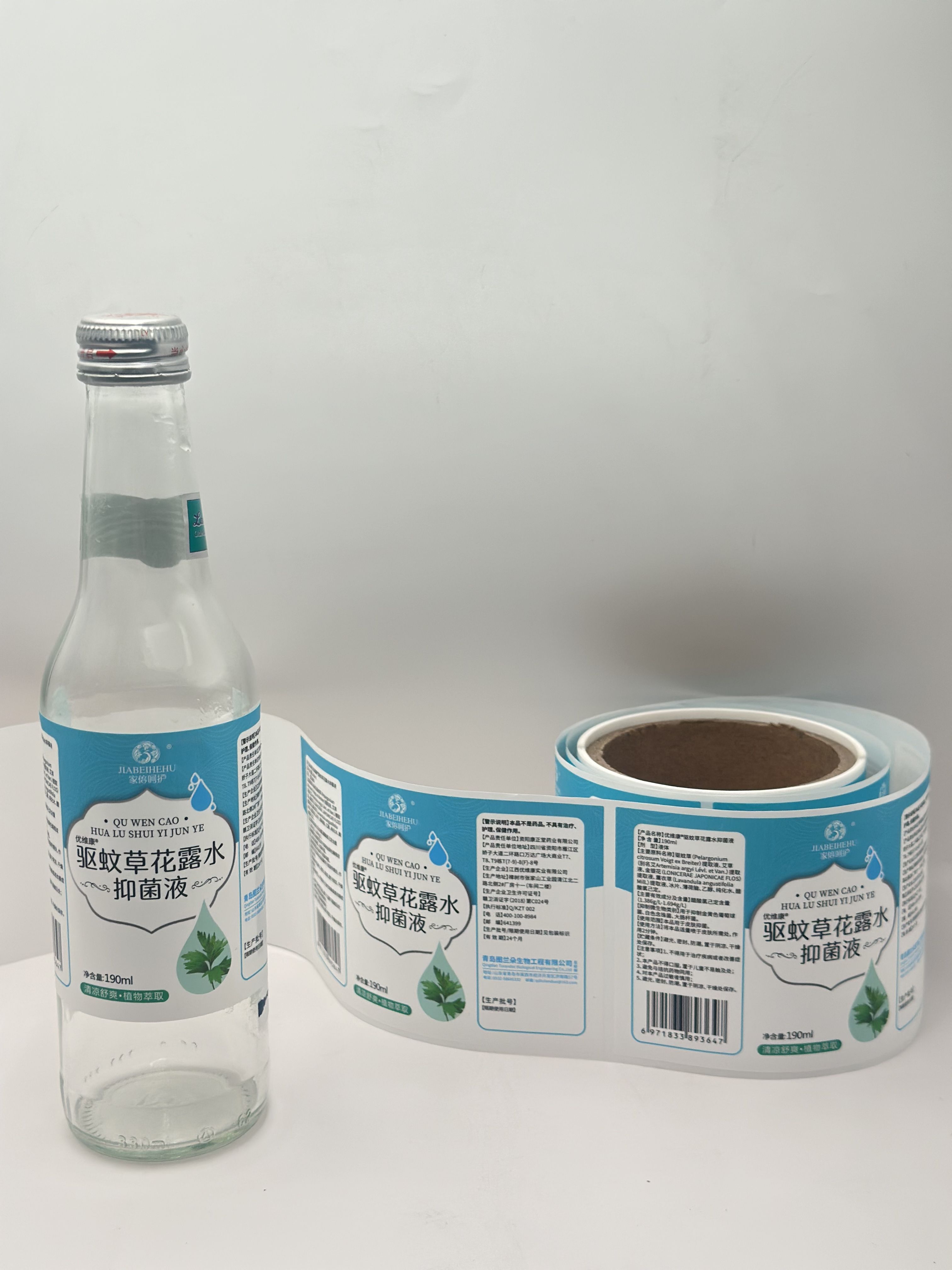
Most people never notice ink until it fails. A deep black that turns purple after three weeks in sunlight, a flexo print that smears on a humid loading dock, a barcode that won't scan because the ink bled into the recycled fibers behind it. These aren't hypotheticals. Inks are chemical systems tuned for specific substrates, drying methods, and end-use environments. The difference between a soy-based sheetfed ink and a UV-cure ink isn't just cost; it's whether the print survives a dishwasher cycle or peels off with the shrink sleeve. Ignore that and you get beautiful packaging that turns into a warranty claim.
Adhesives are even less visible, which is why they cause more expensive failures. A label that looks perfect at room temperature can slide off a beer bottle in an ice bucket if the pressure-sensitive adhesive wasn't chosen for cold, wet conditions. A hot melt used to seal a cardboard carton might hold fine until the truck crosses the Mojave Desert, then the bond softens and the box pops open. The right adhesive accounts for surface energy of the material—low-energy plastics like polypropylene or powder-coated metals reject standard acrylics, while recycled board often needs higher coat weights to compensate for porosity.
The real trouble starts when inks and adhesives meet. An adhesive that migrates through a film can re-wet water-based ink, causing smears or complete lift-off. Solvent-based adhesives can dissolve certain ink binders. Off-gassing from an adhesive can cloud a high-gloss laminate. These interactions aren't listed on any spec sheet; they show up during accelerated aging tests, thermal shock cycles, or a customer complaint with photos attached. In the end, the unsexy details decide whether a product quietly does its job for years or becomes a case study in what not to spec.
Small Runs, Big Impact: Finding a Partner That Won't Penalize Flexibility
Many suppliers quietly steer you toward large volume commitments, as if smaller batches are a nuisance rather than a legitimate need. That mindset leaves you stuck with surplus inventory, hidden fees, or long lead times that don't match your actual demand. A genuinely flexible partner treats smaller runs as a normal part of the conversation, not an exception to be tolerated.
What separates a good fit from a frustrating one is how they handle change orders and modest quantities. You shouldn't have to beg for a small tweak or accept a penalty because your forecast shifted after the initial quote. Look for a manufacturer that prices transparently across different run sizes and doesn't bury setup costs in ways that make low volumes feel like a punishment.
The real impact shows up in your cash flow and ability to respond to the market. When a partner doesn't penalize flexibility, you can test new designs, manage seasonal demand without overstocking, and avoid tying up capital in slow-moving inventory. That agility often matters more than shaving a few cents off per-unit cost, because it keeps you moving when opportunities appear.
From Prototype to Production: Testing Their Process Before You Commit
Most teams can put together a slick prototype, but the real question is what happens between that demo and a production-ready release. Ask to see their handoff notes, their environment setup, the exact steps they take to move code from a working branch to a live system. You want to catch the friction points early, like whether they rely on one person to do a manual deploy or whether they have a repeatable pipeline that anyone on the team can follow.
A better way to test their process is to give them a small, non-critical task that mimics your real workflow. For example, request a minor change to the prototype and watch how they react: do they ask clarifying questions, update the documentation, run tests before handing it back, or do they rush a patch that works only in the demo? The way they handle a tiny request often reveals more than a polished project plan ever will.
Before you commit, you need to see evidence that their process holds up under less-than-ideal conditions. Ask about past projects that went sideways—not the wins, but the saves. If they can walk you through a time when a production bug appeared and show you the exact steps they took to diagnose, fix, and prevent it from happening again, that's a strong signal they have a working system rather than a set of slides.
Sustainability Without the Greenwashing: Questions That Reveal Real Practices
Most sustainability claims fall apart the moment you ask for specifics. Instead of accepting vague promises like "eco-friendly" or "responsibly sourced," push for concrete details: Which factory made this item, and what are its working conditions? What percentage of recycled material is actually in the packaging? If a company can't name its suppliers or share audit results, that silence usually means the green story is more marketing than substance.
The real test comes when you request evidence that would be hard to fake. Ask for third-party certifications, but don't stop there—many labels only cover a narrow slice of a product's footprint. Dig into the less glamorous parts: how are waste streams handled? What happens to products at end of life? A genuinely committed business will discuss trade-offs openly, such as why they chose a heavier material to improve durability despite higher shipping emissions. Greenwashers tend to evade those conversations because they don't have the data.
Over time, these questions create a pattern that separates performative gestures from embedded practice. A company that offsets flights but ignores factory water pollution isn't sustainable; it's selective. Ask about governance too: who inside the organization is accountable for meeting environmental targets, and are those targets tied to executive pay? When answers get granular and a little uncomfortable, you're likely looking at real practices rather than a polished press release.
When Your Label Is the Last Line of Branding: Choosing a Team That Gets It
Most branding conversations stop at logos and color palettes, but the label is where those choices either hold up or fall apart in a buyer's hand. A team that understands this will talk about more than aesthetics—they'll consider how the material feels after refrigeration, whether the type stays legible on a curved surface, and how the print registration behaves on a fast production line. These are the details that separate a label someone glances at from one they remember.
When you're evaluating a design partner, pay attention to the questions they ask before they open a sketchbook. Do they want to see the actual container, not just a flat mockup? Do they ask about your filling process or how the product is stored? If they steer the conversation toward real-world constraints instead of just visual trends, that's a sign they've done this before—and that they know the label has to carry the brand through the last few inches of a purchase.
There's also a quiet confidence that comes with a team willing to say no to a layout that looks beautiful on a screen but will fail in the store. They know the label is often the only piece of branding a customer spends any real time with, so it has to work hard. Choosing people who treat that final surface as the centerpiece—not an afterthought—can make the difference between a product that sits on a shelf and one that gets picked up.
FAQ
Start by checking how they handle your specific substrate. A partner who asks about the surface texture, moisture exposure, and application temperature of your packaging will save you from peeling and fading issues later. Request a sample run on your actual container, not a generic swatch, and see if they offer pre-press proofs that show die lines and bleed. Their willingness to walk through those details is often a better predictor of reliability than a low quote.
Ask for case studies or references involving similar packaging, whether it's glass jars that go through pasteurization, corrugated boxes stored in humid warehouses, or flexible pouches that need to survive freezer temperatures. A capable partner will talk about adhesive chemistry and face stock compatibility instead of only listing product types. If they can't explain why a certain adhesive fails on recycled cardboard, keep looking.
Rather than asking yes-or-no questions about compliance, ask them to walk you through their process for handling FDA-required label info, chemical resistance testing, or outdoor UV exposure. Listen for specific testing methods like accelerated aging or tape adhesion tests. Companies that bring these topics up unprompted generally have the in-house expertise you need.
Yes, often much better. Smaller shops tend to have shorter communication lines, so your order isn't passed through five account managers. They may also be more flexible with unusual die shapes or quick turnarounds. The trade-off is usually capacity, so ask about their production schedule and who handles overflow if they get backed up. A small company with a solid contingency plan can outperform a large one that treats your order as just another SKU.
Watch for vague timelines like 'soon' or 'this week' without a date. Missed proof approvals, slow response to color match questions, or unclear lead times after you submit artwork are red flags. Also ask how they handle reprints if a batch is misprinted—if they don't have a clear process for prioritizing corrections, your packaging line could be idle while you wait.
Minimum order quantities can tell you a lot about a company's equipment. If you only need 5,000 labels but the minimum is 50,000, they're likely running long-run flexographic presses and may not be a good fit. Digital label printers often offer lower minimums, which is better for testing new packaging or seasonal products. Don't just accept the first MOQ; ask if they can split orders or hold inventory for you.
Digital printing is ideal for shorter runs, variable data, and fast turnarounds because there are no plates to make. Flexographic printing becomes cheaper per label at higher volumes and can use a wider range of specialty inks and coatings. If you plan to run the same label for months, flexo may win on cost; if you need to iterate or run small batches, digital is usually the smarter starting point.
Request a press proof on your actual substrate and run it through your own application equipment, not just a hand test. Check how it behaves in real conditions—does it wrinkle on curves, resist scuffing during transit, or smudge when wet? Also ask for a sample of their color consistency over multiple print runs. If they're reluctant to provide that, you may be gambling with brand consistency.
Conclusion
Choosing a label partner starts with understanding what your packaging actually faces in the real world. A label that looks great at first glance but peels, fades, or cracks under temperature shifts or moisture is a costly mistake. Ask hard questions about substrate compatibility, adhesive performance, and ink durability—whether it's UV exposure, freezer storage, or rough handling. The "boring" details like varnish choice and adhesive chemistry often decide whether a label survives the supply chain. At the same time, don’t let a supplier's minimum order rules dictate your growth. Look for a partner who treats small runs as a normal part of experimentation, not an inconvenience, and who walks you through prototype testing before you commit to full production.
Sustainability claims deserve scrutiny, not slogans. A partner worth keeping will explain their material sourcing, waste reduction, and recycling compatibility without dodging specifics. If they can't tell you what happens to liner waste or how their inks affect recyclability, keep looking. Beyond the technical side, your label is often the final physical touchpoint between your brand and a customer. That means the team you work with should care about design integrity, color accuracy, and consistency across batches—not just printing to spec. The right company treats your label as a small but critical piece of brand experience, not just an order number.
Contact Us
Contact Person: Yara
Email: [email protected]
Tel/WhatsApp: +86 13505426090
Website: https://www.qdxspack.com/