

Dodge Ram Seat Covers Vendor: Your Guide to Premium Protection and Style
2026-11-16
Your Dodge Ram works hard—so why leave its interior exposed to dirt, wear, and the daily grind? Whether you’re hauling gear to the job site or heading off-road on the weekend, the right seat covers make all the difference. Enter Red Rain: a brand that blends heavy-duty protection with clean, tailored style. In this guide, we’ll walk you through what sets premium Ram seat covers apart, how to spot a perfect fit, and why Red Rain has become a go-to for owners who refuse to compromise.
Why Stock Seats Aren’t Enough for Your Ram’s Daily Grind
Climbing into your Ram after a long shift or an early morning start should feel like a reward, but the factory seats often deliver the opposite. The cushioning starts to break down faster than you’d expect, leaving you with uneven support that digs into your lower back and thighs. Daily grind doesn’t just mean highway miles—it’s the constant in-and-out on job sites, the bouncing across rutted lease roads, and the hours spent waiting with the engine idling. Stock foam and fabric simply weren’t built to absorb that kind of repetitive punishment without turning your drive into a fatigue marathon.
Materials That Actually Survive Mud, Coffee, and Dog Paws
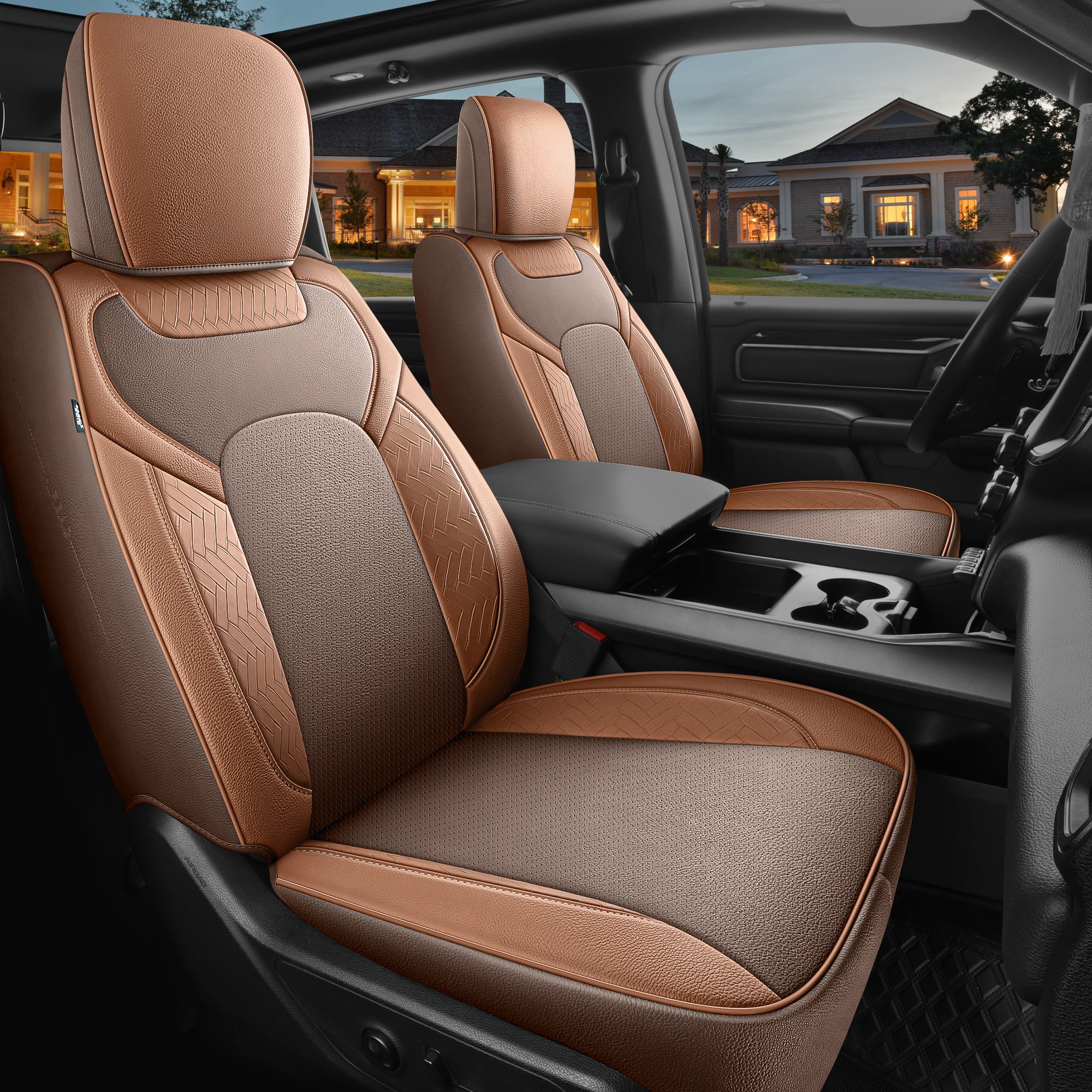
Finding materials that can handle life’s messy reality—think muddy boots, spilled coffee, and muddy paws—doesn’t have to mean sacrificing style for durability. The trick is knowing which fabrics and finishes truly resist stains, trap less fur, and clean up without a fuss. Performance velvets, for instance, have a dense, short pile that stops liquids from soaking in immediately, giving you those precious seconds to blot away coffee before it sets. Meanwhile, tightly woven indoor-outdoor rugs made from polypropylene can be hosed down after a particularly adventurous walk with your dog, and they won’t fade or grow mildew.
Leather, often feared around pets, can actually be one of the smarter choices if you pick the right type. Full-grain or top-grain leather with a protective finish simply wipes clean, and scratches from paws can blend into a lived-in patina over time rather than looking like damage. For upholstery that sees serious dirt, solution-dyed acrylic fabrics are a quiet hero: the color runs all the way through the fiber, so even if the surface wears, you won’t see an ugly light background peeking through. These materials don’t just survive; they get better with the chaos of everyday use.
Don’t overlook the details that make a material truly liveable. A dark heathered weave on a sofa can hide pet hair between vacuums, while a flatwoven rug with a low pile won’t trap dirt the way a shag rug would. Remember, even the toughest material still needs a quick reaction—blotting, not rubbing, for liquids, and a regular shake-out for cushions. With the right combination of clever fabric choices and minimal maintenance habits, you can stop worrying about every paw print and coffee drip and actually enjoy your home.
Fit Matters: Avoiding the Loose, Bunchy Cover Nightmare
Nothing spoils the look of a freshly covered sofa quite like excess fabric that sags, slides, and bunches into awkward folds. That stretched-out, ill-fitting appearance doesn’t just look sloppy—it constantly reminds you that the cover was never really meant for your piece. The real culprit is almost always a one-size-fits-all approach that completely ignores the unique curves, arm widths, and seat depths of your specific furniture. When measurements matter more than marketing claims, the difference shows in every crisp, tailored line.
Getting the right fit goes beyond basic dimensions. It’s about understanding how fabric behaves under tension, where wear patterns develop, and why a cover that fits perfectly in the showroom can become a wrinkled mess at home. Covers cut to match exact contours—including T-cushions, rolled arms, or extra-wide chaise sections—stay put without constant tugging. Materials with just enough give and strategically placed elastic anchors keep everything smooth and secure, even after a lazy Sunday nap or a rowdy movie night.
Skip the shortcuts. A custom-grade fit transforms a stretched-out eyesore into a sleek second skin that looks intentional—not like a draped afterthought. When you finally stop fighting bunched fabric and tucking in corners, your room feels instantly more polished and your furniture more inviting. It’s one of those details nobody consciously notices, yet everybody senses when it’s done right.
Making Your Truck’s Cabin Feel Less ‘Job Site’ and More ‘Your Space’
The first step in reclaiming your cabin is ditching the default—those hard, wipe-clean surfaces that remind you of a tool crib. A thin wool camp blanket draped over the passenger seat doesn’t just add warmth; it subtly rewires the brain’s association from ‘equipment’ to ‘den.’ Swap the standard issue floor mat for a dense, woven rug cut to size. The slight give underfoot registers as a house, not a vehicle bay, and it catches the dust that otherwise ghosts across the dash.
Lighting sets the entire rhythm of the space. Factory dome lights are unapologetically task-oriented, flooding every crumb with the same harsh glare. Instead, wire in a small, amber LED strip tucked low under the dash or along the sleeper’s shelf edge—the kind that barely illuminates the floor. At dusk it shifts the whole environment, drawing the eye down and softening the edges. Pair it with a couple of battery-powered tea lights in amber glass holders wedged into cup holders, and you’ll notice your shoulders dropping the moment the ignition goes off.
Scent and sound do the heavy lifting once the truck’s parked. A cedar block tossed behind the visor beats that cardboard pine dangling from the mirror, releasing a dry, clean note that says calm instead of cover-up. Tuck a bluetooth speaker with a worn leather strap around the grab handle, and load it with a playlist that has zero to do with dispatch—maybe old jazz or a rain track. The moment you hit play, the cabin stops being a waypoint and becomes an enclosure you chose to be in.
Installation Tricks That Won’t Have You Wrestling for an Hour
The secret to a no-sweat install often starts before you even open the box. Lay out every single component and fastener in clear view, then take five minutes to scan the manual like a storybook—not for tech specs, but for the “why” behind each step. Notice which holes get lock washers and which get threadlocker; that tiny distinction alone keeps you from undoing entire assemblies later. If you’re dealing with wall mounts or heavy brackets, grab a piece of painter’s tape and a level before drilling. Mark your hole spots, then press the tape across them and pencil through. This stops the bit from skating on plaster or tile, giving you dead-on accuracy without the redo dance that eats up afternoons.
When it comes to the actual fastening, swap brute force for body weight. Instead of gorilla-gripping a screwdriver until your wrist aches, lean into the tool with your shoulder steady behind it—your mass does the work, not your forearm. For stubborn bolts in tight spots, forget about calling a friend with pipe extensions. Sometimes a simple snug-and-turn sequence is your best ally: tighten until the first resistance, back off a quarter turn, then drive home. And never underestimate the calming power of a magnetic tray. One swept floor looking for a dropped M4 screw will have you thanking your past self for spending eight bucks on the one accessory that quietly saves your sanity.
Cleaning Hacks When the Cover Takes the Hit Instead of the Seat
That moment you lift the lid and realize the splatter missed the bowl entirely, landing squarely on the cover, can test anyone's patience. Don't just wipe and hope for the best. Start by removing the cover if possible and giving it a good shake outside to dislodge any loose debris. For fabric covers, a damp microfiber cloth with a tiny dab of mild dish soap works wonders, tackling the mess without over-wetting the padding underneath. If the cover isn't removable, work in sections using a soft-bristled brush dipped in warm soapy water to gently agitate the area, then blot—don't rub—with a dry towel until no moisture or stain remains. The key is speed and minimal liquid, preventing the accident from sinking deep into the fibers.
For unsealed wood or bamboo covers, life gets trickier but far from hopeless. Immediately sprinkle a generous layer of baking soda or cornstarch directly onto the affected spot to draw out moisture and odor, letting it sit for at least half an hour before vacuuming it away with an upholstery attachment. If a faint shadow lingers, make a paste from baking soda and a few drops of water, apply it gently with your fingertip, and wipe clean after a few minutes—no hard scrubbing that might damage the finish. Follow up with a very light application of food-grade mineral oil on a soft cloth to blend the treated area with the surrounding material, making the mishap virtually invisible.
Plastic or vinyl covers handle accidents more forgivingly but can retain smells if you're not careful. A spray made from equal parts white vinegar and water, with a few drops of your favorite essential oil, not only cuts through any greasy residue but also neutralizes lingering odors naturally. Mist lightly, let it dwell for a moment, then wipe dry. Avoid anything bleach-based; it can yellow the surface over time. To keep future incidents from becoming deep-cleaning ordeals, consider keeping a pack of disposable, adhesive-backed potty training mats on hand—they tuck perfectly under a decorative cover and act as an instant, peel-away barrier when life's aim goes sideways.
FAQ
It comes down to materials that can handle real abuse. Look for heavy-duty neoprene or ballistic nylon that laughs off mud, grease, and the occasional coffee spill. Premium covers also have a precise cut that hugs every contour of your Ram's seats, so they don’t slide around when you’re climbing in and out.
Absolutely. You can go with two-tone designs that echo the Ram’s rugged DNA—like a charcoal base with red or orange center panels. Some vendors even offer full camo patterns or diamond stitching if you want to lean into a custom, upscale look without sacrificing durability.
You’ll want to confirm the covers are engineered with breakaway thread or special sewn panels right where the airbags deploy. A trustworthy vendor will clearly label this as 'airbag compatible' and test their fit on the exact Ram model year you drive, so there’s zero guesswork on your end.
Most quality Ram covers are designed with the DIY owner in mind. You’ll typically get detailed instructions and sometimes a video walkthrough. The rear bench can be a bit tricky because you often have to release the seat bottom, but with basic tools and an hour of your time, you can get a perfect fit.
Go with a tightly woven canvas or a thick Cordura-style fabric. These are practically claw-proof and fur won’t weave itself into the material like it does with softer cloth. A quick wipe with a damp cloth takes care of drool and dirt, and you won’t find rips months down the road.
A heavy-duty waterproof cover will completely seal your original upholstery. Think of it like a barrier rated against gravel dust, wet concrete, and sharp tools. The best ones have sealed seams and a foam backing that keeps everything off your factory seat. At the end of a muddy workweek, you can just pull them off, hose them down, and your seats underneath look like new.
Yes, but you need covers specifically made with breathable inserts or a perforated design. Many brands now use a multi-layer construction that lets air flow through while still blocking spills. Always check the product details for 'climate control compatible'—that’s your green light that the heat and ventilation will still reach you.
Conclusion
Your Ram’s factory seats were never designed to handle the daily chaos of muddy boots, spilled coffee, and a dog who thinks the passenger side is his personal kingdom. Before long, the fabric stains, foam degrades, and that new-truck smell is a distant memory. That’s where the right seat cover vendor steps in, giving you materials that actually survive real life—think dense neoprene that shrugs off liquids or canvas-grade synthetics that resist claw punctures. Equally critical is the fit: nothing ruins a premium feel faster than a sloppy, bunchy cover that shifts every time you climb in. A vendor who laser-scans Ram seats ensures every curve and headrest contour is hugged tightly, so the cover stays put and looks like a factory upgrade rather than an afterthought.
But protection is only half the story. The right covers let you rewrite your cabin’s atmosphere, trading job-site utilitarianism for a space that reflects your style—dark leather-like finishes with contrast stitching, or earth-tone ballistic fabrics that hide dirt while adding warmth. And you don’t need to be a mechanic to install them; smart vendors design straps and buckles that tuck cleanly under the seat, often requiring nothing more than ten minutes of calm adjustment, no wrestling match required. Once the covers are in place, they become your first line of defense. When road grime or a fast-food mishap strikes, a quick wipe or a hose-off saves you from scrubbing the factory upholstery. A trusted vendor turns your Ram’s interior into a customized, clean-lined fortress that handles daily abuse without breaking its stride.
Contact Us
Contact Person: Ms. Zhu
Email: [email protected]
Tel/WhatsApp: 86-15906860931
Website: https://www.redrainseatcovers.com