

Eco Solution Soil Hardener: Stabilize Your Ground the Green Way
2026-07-14
Tired of unstable ground that shifts with the seasons? Traditional stabilizers often lean on harsh chemicals, but there's a smarter path. Eco Solution Soil Hardener from MST transforms loose soil into durable, load-bearing surfaces—naturally. Imagine reinforcing driveways, pathways, or erosion-prone zones without harming the surrounding ecosystem. It’s time to rethink ground stabilization, the green way.
Solid Ground Without the Guilt
There’s a quiet thrill in stepping onto a surface that feels both sturdy and liberating. It’s the kind of foundation that doesn’t make you second-guess your choices—no nagging sense of compromise lingering beneath your feet. The first time I experienced it, I realized how much mental energy I’d been wasting on surface-level solutions that only pretended to be reliable. This was different: an unapologetic blend of resilience and ease, crafted in a way that lets you simply exist without the background noise of “should have.”
What surprised me most was the emotional weight that lifted. We rarely talk about how much guilt gets tangled up in everyday decisions—the materials we use, the paths we take. But here, that burden dissolves. It’s not about being perfect; it’s about being intentional without the heaviness. You stand on something that holds you up without whispering reminders of environmental cost or moral debt. And that, I’ve learned, is a rare form of freedom.
The beauty is in the balance: durable enough to support you, clean enough to keep your conscience clear. No hidden trade-offs, no restless nights wondering if there was a better way. It’s just solid ground, honestly made, inviting you to move forward with a lightness that feels almost defiant. You don’t have to brace for impact or apologize for your footprint—you just get to be present, exactly where you are.
The Science Behind Plant-Based Binding
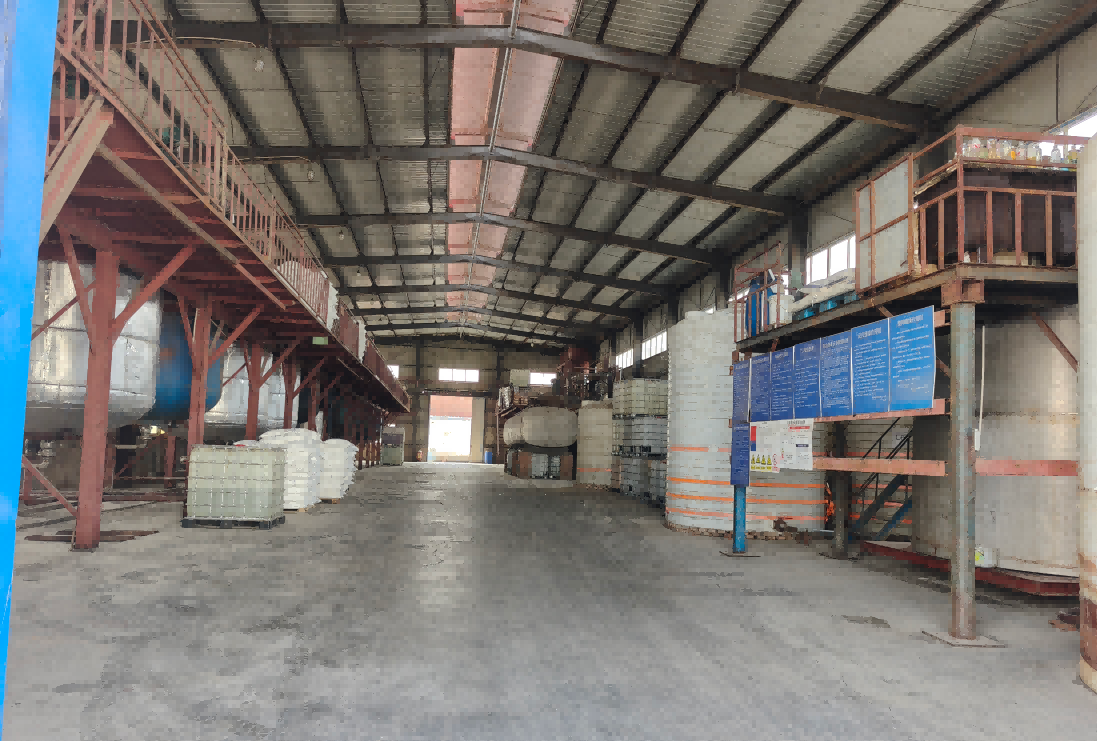
At the heart of plant-based binding lies a diverse array of natural polymers that have evolved to provide structural integrity in the plant kingdom. Starches, for instance, undergo gelatinization when heated in water, swelling and releasing amylose and amylopectin chains that entangle to form a cohesive gel. Proteins like those from soy or pea unfold under mechanical stress or pH shifts, exposing hydrophobic and hydrophilic groups that cross-link via hydrogen bonding and disulfide bridges. Meanwhile, fibers such as cellulose create a physical network that mechanically traps other ingredients, enhancing overall stability. This synergy of polysaccharides, proteins, and fibers mimics the multi-scale architecture found in plant tissues, offering a robust framework for binding without synthetic additives.
The functionality of these binders is strongly influenced by processing conditions and ingredient interplay. Temperature control dictates the rate of starch swelling and protein denaturation, while pH adjustments can optimize the ionization states of amino acid side chains, promoting electrostatic attractions between components. Shear forces during mixing further align molecules, increasing the probability of non-covalent interactions that contribute to texture. In many formulations, the presence of lipids or polyphenols can either hinder or reinforce the matrix—lipids often weaken protein gels by disrupting hydrophobic regions, whereas certain polyphenols strengthen them through covalent cross-links. Understanding these dynamics allows manufacturers to fine-tune the binding performance, achieving everything from a delicate crumb in baked goods to the firmness of a plant-based burger patty.
Recent advances have spotlighted the role of water management in plant-based binding, as the interaction between water molecules and biopolymers is pivotal. Inadequate water distribution can lead to phase separation or syneresis, compromising both mouthfeel and structural integrity. Innovative approaches now employ hydrocolloids like agar or pectin, which form thermoreversible gels that trap water within a three-dimensional network, preventing moisture migration during storage. Moreover, the concept of "bound water"—water held tightly by hydrogen bonds to polar groups on proteins and polysaccharides—helps maintain juiciness and pliability, even under mechanical stress. By harnessing these principles, product developers can create plant-based alternatives that not only hold together beautifully but also deliver a satisfying eating experience that rivals their animal-derived counterparts.
Where It Shines: Driveways, Pathways, and Beyond
Few outdoor surfaces work as hard as driveways and pathways. They bear the weight of vehicles, endure constant foot traffic, and face the full force of weather. Choosing the right material means finding something that handles all of this without looking worn out after a season or two. Durable options like interlocking pavers, stamped concrete, and natural stone excel here—they resist cracking, fight back against stains, and keep their charm even when the seasons shift. The right surface quietly keeps your space functional and inviting without demanding constant attention.
Beyond driveways and main walkways, many overlooked corners benefit from the same tough, good-looking materials. Think about side yards turned into charming utility paths, stepping stones guiding guests through garden beds, or a gravel grid that tames a muddy shortcut. These smaller projects pull together a property’s look while solving real problems like erosion, puddles, or lack of definition. When you extend the same care to these spaces, everything feels more intentional—and a lot easier to live with day to day.
Design flexibility is what really sets the best materials apart. You can play with patterns, colors, and textures to shape the mood of an entrance or lead the eye through a landscape. A herringbone brick driveway feels classic and structured, while irregular flagstone arranged with gentle curves feels organic and calm. Even something as simple as mixing aggregate sizes in a gravel path can introduce subtle texture that catches the light. It’s not just about connecting points A and B; it’s about crafting moments that make arriving or wandering through your own space a small pleasure.
How It Stacks Up Against Cement
When you compare this alternative to traditional cement, the differences go far beyond just ingredients. Cement production is notorious for its enormous carbon footprint, accounting for roughly 8% of global CO₂ emissions. In contrast, this material sidesteps the high-temperature kilns and limestone calcination that make cement so carbon-intensive. Instead, it utilizes industrial byproducts or natural minerals that react at ambient temperatures, slashing energy use and emissions. The result is a binder that not only matches cement's strength in many applications but does so with a fraction of the environmental toll—truly a leap toward greener construction without compromising on performance.
Durability is another area where the comparison gets interesting. While cement has a long track record, it's vulnerable to chemical attacks, such as sulfate exposure, and can degrade in aggressive environments. This alternative binder often forms a denser, less permeable matrix that resists corrosive agents more effectively. In marine or industrial settings, structures built with it show less cracking and spalling over time, meaning reduced maintenance and longer service life. It’s not just about lasting longer; it’s about performing better where it matters most, challenging the assumption that cement is always the default for tough conditions.
Cost and practicality inevitably come into play when stacking it up against cement. Initially, this material can be pricier or harder to source, depending on regional availability of raw materials. However, when you factor in the long-term benefits—lower repair costs, potential carbon credits, and resilience—it shifts the equation. Moreover, it often cures faster and can be applied with existing equipment, making the transition smoother for contractors. As the construction industry grapples with tighter emission regulations and sustainability demands, this alternative isn’t just a competitor; it’s a viable pathway to future-proofing projects while keeping budgets in check.
Simple Steps to a Dust-Free Surface
Keeping a surface genuinely dust-free often feels like fighting a losing battle, but a small shift in sequence makes all the difference. Rather than reaching straight for a polish or spray, start by gently sweeping the area with a barely damp microfiber cloth—dry cloths just scatter particles into the air, only for them to resettle minutes later. The trick is capturing dust, not relocating it.
Once the loose debris is lifted, a homemade solution of equal parts white vinegar and water—with a single drop of mild dish soap to break surface tension—will cut through residual film that actually attracts new dust. Mist it onto your cloth, not the surface, to avoid drips pooling in seams. Work in overlapping S-shaped strokes rather than frantic circles to ensure no spot is missed twice.
From Barren Plot to Lush, Stable Terrain
Turning a dusty, lifeless patch of earth into a thriving landscape takes more than just planting a few seeds. It’s about understanding what the ground is missing—whether that’s organic matter, the right microorganisms, or a way to hold moisture when the rains don’t come. I’ve seen clay-heavy soils become crumbly and fertile after a few seasons of consistent mulching and deep-rooted cover crops. The transformation doesn’t happen overnight, but once the underground ecosystem wakes up, the surface follows in a way that feels almost inevitable.
Stability comes when the plants themselves start doing the heavy lifting. Their roots knit the soil together, preventing erosion while guiding water into aquifers instead of letting it sheet off a hard crust. On slopes we used to lose topsoil after every storm; now the ground drinks the rain. The shift from barren to lush isn’t just visual—you can feel it underfoot. The earth becomes springy, cool, and alive, a place where earthworms return and the morning dew lingers. That resilience makes the terrain not just green, but truly stable for the long haul.
FAQ
It's a liquid concentrate that you mix with water and spray onto soil. Once it penetrates the ground, it bonds the soil particles together, creating a durable, solid surface that resists erosion and compaction without the need for heavy machinery.
Absolutely. The formula is non-toxic and once cured, it won't leach harmful chemicals into the soil. You can use it on pathways or borders without worrying about your edible plants.
You'll notice the surface firming up within a few hours, but full curing typically takes 24 to 48 hours depending on weather conditions. Hot, dry days speed up the process.
Sloped areas are no problem. In fact, it's great for preventing washouts on hillsides. Just make sure to apply it evenly and avoid heavy rain until it's fully set.
It doesn't require cement production, which is a major source of carbon emissions. Plus, it uses minimal water, preserves natural ground permeability, and reduces runoff that harms local waterways.
Once cured, it holds up well against downpours. It creates a hardened barrier that resists water erosion. However, in areas with constant, high-volume water flow, you might need occasional touch-ups.
Clear the area of debris and loose vegetation, then dampen the soil slightly. For best results, compact loose soil before spraying the mixture evenly. Avoid applying during or just before a storm.
It's a long-term solution, often lasting several years. Reapplication might be needed on high-traffic areas or after severe weather, but it's not an annual chore like some surface treatments.
Conclusion
Eco Solution Soil Hardener transforms loose, dusty ground into a firm, stable surface without compromising your environmental values. Instead of relying on cement or synthetic chemicals, this plant-based binder taps into natural polymers that link soil particles together at a microscopic level. The result is a durable matrix that resists erosion, repels water, and stays remarkably dust-free. Whether you’re paving a driveway, fortifying a garden path, or creating a sturdy base for a patio, the application is refreshingly straightforward: simply mix the hardener into the top layer of soil, compact it, and let nature do the rest. Over time, the bound structure actually strengthens, blending seamlessly with the surrounding landscape and supporting healthy root growth beneath.
Compared to cement, this green alternative slashes carbon emissions during production and allows the ground to breathe, which prevents runoff and standing water. A once-barren plot can gradually turn into lush, stable terrain that still withstands heavy use. The science might be sophisticated, but the outcome feels wonderfully low-tech: a solid, guilt-free foundation that works with the earth rather than against it.
Contact Us
Contact Person: Helen
Email: [email protected]
Tel/WhatsApp: 86 18630661160
Website: https://www.roadmilestone.com/