

Electrical Transformer Factory: Innovative Solutions for Reliable Power Distribution
2025-12-31
In the ever-evolving landscape of power distribution, reliability isn't just a goal—it's a necessity. Every flicker of a light, every surge in energy demand, and every industrial machine relies on the steadfast performance of electrical transformers. At Lugao, we're not just manufacturing transformers; we're engineering innovative solutions that redefine efficiency and durability in power systems worldwide. Drawing from decades of expertise and cutting-edge technology, our factory stands at the forefront of transforming how communities and industries access stable electricity. Join us as we explore the breakthroughs behind Lugao's approach, from sustainable materials to smart monitoring systems, and discover why choosing the right transformer can make all the difference in your power network's resilience.
Advancing Power Distribution with Cutting-Edge Transformer Technology
Innovations in transformer technology are revolutionizing the power distribution landscape, moving beyond the simple step-up and step-down functions of traditional models. Modern transformers integrate smart sensors and IoT connectivity, enabling real-time monitoring of load fluctuations, temperature, and potential faults. This shift allows utilities to transition from reactive to proactive maintenance, minimizing downtime and extending equipment lifespan by predicting failures before they occur, thereby enhancing grid reliability and efficiency in ways previously unimaginable.
The introduction of eco-friendly and high-performance materials, such as biodegradable esters and amorphous metal cores, is a game-changer for sustainability and energy loss reduction. These advanced transformers not only cut down on no-load losses significantly—sometimes by over 50% compared to conventional silicon steel cores—but also align with global environmental goals by reducing carbon footprints. This dual benefit of boosting operational efficiency while supporting greener energy initiatives makes them indispensable in today's push for cleaner power systems.
In local distribution networks, custom-designed transformers that adapt to specific regional demands are enabling smarter, more resilient power flows. By optimizing voltage regulation and integrating with renewable energy sources like solar and wind, they help balance supply with variable consumption patterns, ensuring stable delivery even during peak times or grid disturbances. This adaptability is key to building flexible, future-proof infrastructures that can scale with evolving energy needs, marking a leap forward in how we manage and distribute electricity efficiently.
Customized Solutions for Diverse Industrial Energy Needs
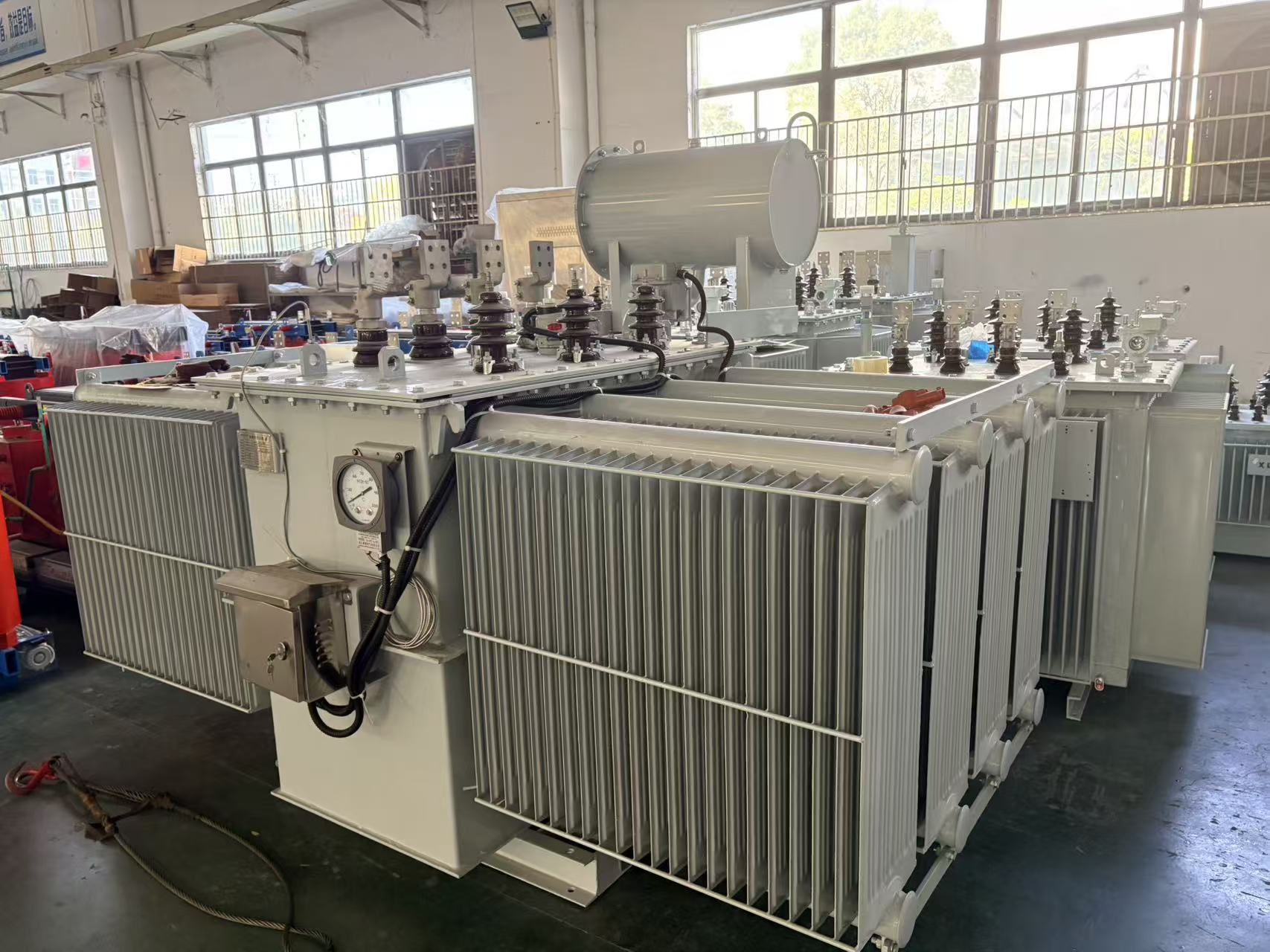
From manufacturing plants to data centers, industries face unique energy demands that require more than just a one-size-fits-all approach. Our team begins by diving deep into your operations, analyzing everything from peak usage patterns to equipment efficiency, ensuring we identify the exact energy needs and opportunities for optimization. Whether you're dealing with high-intensity processes that require consistent power or facilities with fluctuating loads, we're equipped to develop solutions tailored specifically to your workflow and goals.
We don't stop at general assessments; we provide hands-on support that adapts to the real challenges you encounter daily. By integrating advanced monitoring systems and renewable sources like solar or wind, we create hybrid strategies that not only reduce costs but also enhance reliability. Imagine cutting downtime risks while achieving significant savings—our bespoke plans are designed to turn that vision into reality, ensuring your energy infrastructure grows with your business.
What truly sets us apart is our commitment to continuous innovation and collaboration. We partner with clients to refine solutions over time, incorporating feedback and emerging technologies to keep your operations ahead of the curve. From initial consultation to ongoing maintenance, our focus remains on delivering flexible, scalable outcomes that meet diverse industrial needs, empowering you to focus on what you do best while we handle the energy complexities.
Enhancing Grid Reliability through Smart Transformer Innovations
With the rapid expansion of renewable energy and the increasing demands on electrical grids, ensuring consistent power reliability has become a critical challenge. Smart transformer innovations are playing a pivotal role in addressing this issue by introducing advanced monitoring and control capabilities. These transformers are equipped with sensors and communication technologies that allow for real-time data collection, enabling operators to detect potential failures before they escalate into widespread outages. By leveraging this data, utilities can perform predictive maintenance, reducing downtime and minimizing disruptions for consumers.
Beyond mere monitoring, smart transformers actively manage voltage fluctuations and power quality, which are common sources of grid instability. They can dynamically adjust parameters to balance loads and integrate intermittent energy sources like solar and wind more seamlessly. This adaptability not only enhances resilience against disturbances but also optimizes energy distribution, leading to more efficient and sustainable grid operations. As a result, communities benefit from more stable electricity supplies, even during peak usage periods or adverse weather conditions.
Looking ahead, the integration of smart transformers with broader grid management systems, such as those incorporating artificial intelligence, promises even greater reliability enhancements. By analyzing patterns and predicting trends, these systems can automate responses to grid events, further reducing human intervention and error. Ultimately, these innovations are transforming traditional transformers from passive components into active, intelligent assets that are essential for building a robust and future-proof electrical infrastructure.
Sustainable Practices in Transformer Manufacturing and Operation
Transformer manufacturers are increasingly prioritizing sustainable practices to address environmental challenges, such as reducing greenhouse gas emissions and resource consumption during production. Innovations like using eco-friendly insulating oils derived from natural esters instead of mineral oils not only lower toxicity risks but also enhance biodegradability, thereby minimizing long-term environmental impact. Some companies are adopting lean manufacturing techniques to optimize material use and decrease waste generation, integrating renewable energy sources like solar power into their facilities to further cut operational carbon footprints. These measures not only comply with stringent regulations but also appeal to environmentally conscious consumers seeking greener infrastructure solutions.
In operational contexts, sustainability focuses on improving transformer efficiency to conserve energy and extend service life. Advances in design, such as amorphous metal cores, achieve higher energy efficiency by reducing core losses, which translates into significant electricity savings over the transformer's lifetime. Smart monitoring technologies enable real-time performance tracking, allowing for proactive maintenance that prevents failures and reduces the need for resource-intensive replacements. By implementing these practices, operators can lower energy costs and contribute to grid stability, supporting broader goals like reducing fossil fuel dependence and mitigating climate change effects in power distribution networks.
Beyond technical aspects, a holistic approach involves lifecycle management and circular economy principles. Manufacturers are developing transformers with modular designs and recyclable materials, making it easier to disassemble and repurpose components at end-of-life stages, thus minimizing landfill waste. Collaborations with stakeholders across the supply chain promote best practices for sourcing sustainable raw materials and ensuring ethical labor standards. This comprehensive strategy not only enhances environmental performance but also builds resilience against resource scarcity, positioning the industry to meet evolving global demands for sustainable energy infrastructure without compromising reliability or cost-effectiveness.
Integrating Automation for Efficient and Safe Transformer Production
In today's rapidly advancing power industry, integrating automation into transformer production isn't just a trend—it's a strategic necessity. By leveraging robotic systems and intelligent software, manufacturers can streamline assembly lines, reduce human error, and enhance precision in winding coils and assembling cores. This approach not only boosts output rates but also ensures consistent quality, making operations more resilient to market fluctuations.
Beyond efficiency gains, automation plays a pivotal role in bolstering safety standards within transformer facilities. Automated machines handle hazardous tasks like heavy lifting and handling insulating oils, minimizing worker exposure to risks. With integrated sensors and real-time monitoring, these systems can detect anomalies early, preventing accidents and fostering a secure environment that complies with stringent industry regulations.
To truly capitalize on these benefits, companies should adopt a phased implementation strategy, starting with high-risk or repetitive processes. Customizing automation solutions to fit specific production needs—such as varying transformer sizes or materials—ensures seamless integration without disrupting existing workflows. This tailored approach not only optimizes resource use but also paves the way for future innovations, keeping plants competitive in a dynamic global market.
Future-Proofing Power Networks with Adaptive Transformer Designs
As the energy landscape evolves with growing renewable integration and smart grid technologies, electrical infrastructure must adapt beyond traditional capabilities. Adaptive transformer designs represent a leap in this direction, incorporating dynamic features that adjust to fluctuating loads and generation patterns in real time. Unlike conventional transformers that operate on fixed parameters, these innovative models utilize advanced sensors and control systems to optimize performance and reliability under varying conditions. This flexibility not only enhances grid stability but also extends the lifespan of assets, making it a key strategy for future-proofing power networks.
Moreover, adaptive transformers enable better integration of distributed energy resources, such as solar panels and wind turbines, by managing voltage levels and power quality more effectively. They can automatically reconfigure settings to accommodate peak demands or unexpected outages, reducing the need for manual interventions and costly upgrades. By embedding intelligence directly into the hardware, utilities gain a proactive tool to mitigate risks and improve overall system efficiency without expanding physical footprints. This approach aligns with global trends toward decarbonization and digitalization, offering a resilient solution for modernizing aging grids.
The economic and environmental benefits are substantial, as adaptive transformer designs contribute to energy savings and lower operational costs through optimized power flow. They facilitate a more responsive network that can pivot with emerging technologies like electric vehicles and energy storage, ensuring long-term viability. Ultimately, investing in such adaptive systems is not just about meeting current needs but preparing for uncertainties ahead, securing a reliable and sustainable electricity supply for generations to come.
FAQ
Modern factories incorporate IoT sensors for real-time monitoring, automated production lines for precision, and eco-friendly materials to reduce environmental impact, ensuring higher reliability and efficiency in power distribution.
They design transformers with robust enclosures for extreme temperatures, moisture-resistant insulation, and seismic-resistant structures, backed by rigorous testing to maintain performance under challenging conditions.
Unlike traditional methods, this factory focuses on predictive maintenance analytics, modular designs for easy upgrades, and smart grid integration, offering adaptable solutions that improve long-term reliability.
The factory uses recycled materials for components, implements energy-efficient manufacturing techniques, and reduces waste through closed-loop systems, aligning with green energy goals without compromising quality.
Custom transformers are tailored for unique voltage requirements, space constraints, or safety standards in sectors like healthcare and manufacturing, ensuring optimal performance and compliance with specific needs.
By employing scalable manufacturing processes and flexible designs, the factory can quickly produce transformers of varying capacities, supporting infrastructure expansion and adapting to increasing energy consumption.
Conclusion
The Electrical Transformer Factory stands at the forefront of power distribution innovation, offering tailored solutions that enhance grid reliability and efficiency. By leveraging cutting-edge transformer technology, it addresses diverse industrial energy needs with customized designs, ensuring optimal performance across various applications. Smart transformer innovations are integrated to bolster grid resilience, enabling real-time monitoring and adaptive responses to fluctuations, thus minimizing downtime and improving overall system stability. This approach not only meets current demands but also anticipates future challenges in power networks, making it a key player in the evolving energy landscape.
In addition to technological advancements, the factory emphasizes sustainability and operational excellence. It incorporates sustainable practices in manufacturing and operation, reducing environmental impact through energy-efficient processes and eco-friendly materials. Automation is seamlessly integrated into production lines to boost efficiency and safety, streamlining workflows while maintaining high-quality standards. These efforts contribute to future-proofing power networks with adaptive designs that can evolve alongside changing energy requirements. Together, these elements position the factory as a reliable partner in delivering innovative and dependable power distribution solutions, fostering a more resilient and sustainable energy infrastructure worldwide.
Contact Us
Contact Person: Doreen
Email: [email protected]
Tel/WhatsApp: 8618057712366
Website: https://www.liugaopower.com/