

Engineered for Performance: The Ultimate Guide to OEM Cooler Bags
2026-11-16
Ever pulled a warm drink from a cooler that promised all-day ice retention? Behind every failed picnic or spoiled shipment is a cooler bag that wasn't built for the job. That's where true performance engineering comes in—and why the difference between a generic carryall and a precision-designed OEM cooler bag matters more than you think. In this guide, we'll unpack the materials, construction secrets, and real-world testing that separate CHALLENGE WOLVES bags from the pack, showing you what to look for when performance isn't negotiable.
Why OEM Cooler Bags Are Built to Last
When a cooler bag comes from a factory that specializes in OEM production, the durability isn't an afterthought — it’s baked into the process from day one. These manufacturers work with brands that demand repeat business and a spotless reputation, so every seam, zipper, and liner gets tested under conditions that mimic years of hard use. Instead of cutting corners on stitching or using flimsy foam that flattens after a season, they source dense insulation and abrasion-resistant outer shells because they know the next order depends on the first batch surviving countless tailgates, beach trips, and lunch shifts.
What really separates an OEM-built cooler from a generic import is the layering of materials that most shoppers never see. A typical bag might have a watertight TPU liner bonded to high-density closed-cell foam, then wrapped in a 600D polyester shell with reinforced welding at stress points. This isn't about fancy specs — it’s about preventing the slow death that happens when condensation seeps into insulation or zipper coils start jamming with sand and grit. Because OEM partners often provide samples for field testing before a full run, weak links get weeded out before the product ever hits a shelf.
Longevity also comes from the quiet decisions made to accommodate real-world abuse. Straps get double-stitched at pivot points where cheaper bags tend to fray. Waterproof liners extend up above the zipper line so ice melt doesn’t sneak through the teeth. Even the base is often made from a tarpaulin-like material that can sit in a puddle or a sandy car trunk without soaking through. These are the kind of details that brands ask for — not because they want to inflate the price, but because they’ve dealt with enough returns to know that a cooler bag’s reputation lives and dies by how it holds up six months later.
Choosing the Right Insulation for Maximum Cooling
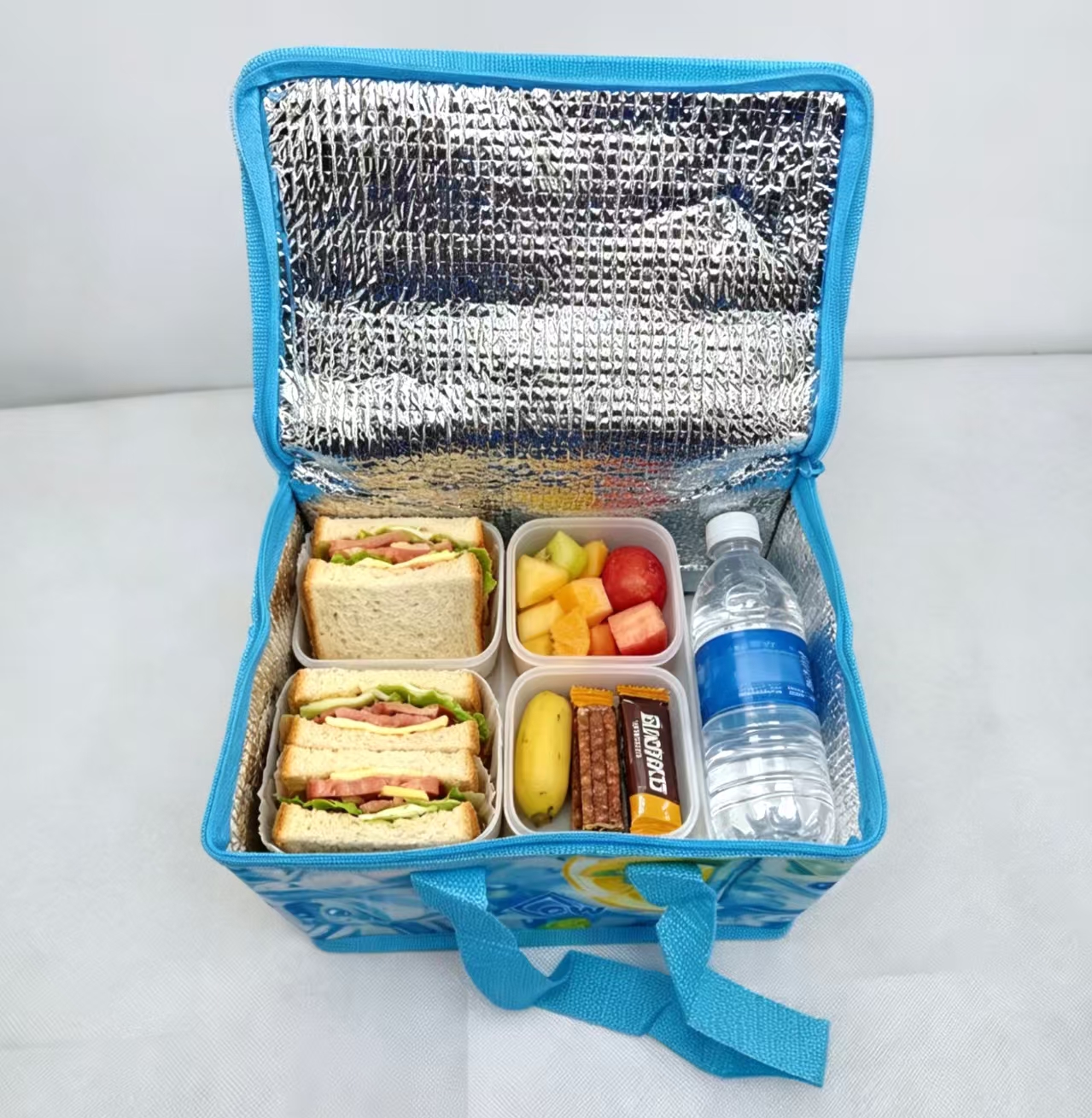
Insulation isn't just about trapping heat; it's equally vital for keeping cooled spaces comfortable while reducing energy drain. The right barrier slows the relentless creep of outdoor warmth, preventing your air conditioning from overworking on scorching days. Look for materials with a high R-value per inch, but don’t stop at that number alone—real-world conditions like moisture buildup, installation gaps, and thermal bridging can sabotage even the best-rated products.
Closed-cell spray foam often leads the pack for maximum cooling performance because it doubles as an air and vapor barrier, sealing every crack where humid outside air would otherwise pour in. In hot climates, reflective foil-faced rigid boards or radiant barriers installed under the roof deck can bounce back a substantial portion of the sun’s radiant heat before it ever reaches your living space. For wall cavities in existing homes, dense-packed cellulose or injection foam offer a balance of affordability and thermal continuity without major demolition.
Still, the highest-performing insulation means little if tailored to the wrong application. A vented attic has different needs than a conditioned crawlspace, and the southern exposure of your home might demand a layered approach that combines bulk insulation with a radiant shield. Rather than chasing a single “best” material, evaluate your home’s specific heat gain profile, local humidity patterns, and the integrity of your existing air sealing. When those elements align, the payoff is a consistently cooler interior and a noticeable drop in peak electricity demand.
Materials That Define Durability in Outdoor Gear
When you’re miles from the nearest trailhead, the last thing you want to question is whether your jacket can hold up against abrasive rock or a sudden downpour. That confidence starts with fabric. High-denier nylons and polyesters form the backbone of most rugged shells, but the real work happens in the weave. Ripstop constructions, for instance, interlace thicker threads at regular intervals to stop small tears from spreading. Others lean on dense, multi-layer laminates that bond a tough face fabric to a waterproof membrane without sacrificing breathability. The result isn’t just a barrier against the elements—it’s a shield that flexes and recovers without delaminating, season after season.
Beyond textiles, the hardware and reinforcements often tell a more honest story about longevity. Think about the zippers on a mountaineering tent or the buckles on a backpack hip belt. Premium gear opts for injection-molded acetal or nylon components that resist brittleness in freezing conditions and won't deform under sustained load. Even the thread matters: many manufacturers now use bonded nylon or polyester threads with a high twist count, which resist UV degradation and abrasion far better than standard cotton-wrapped options. These aren’t flashy upgrades—they’re the quiet, functional details that separate gear you replace every few years from the pieces you pass down.
Finally, there’s the growing shift toward paradoxically tough yet lightweight materials that challenge old assumptions. Ultra-high-molecular-weight polyethylene (UHMWPE) blends, once reserved for cut-resistant gloves and body armor, are now woven into backpacks and alpine pants. Dyneema Composite Fabrics, for example, use a sandwich-like construction where the fibers are laminated between layers of film, creating a material that’s lighter than water but can stop a sharp crampon point. This isn’t marketing hype—it’s a material science approach that trades bulk for intelligent structure, giving you gear that endures without weighing you down.
Design Details That Set Premium Coolers Apart
Subtle engineering choices often separate a high-end cooler from a budget option. The lid doesn't just close—it settles with a weighted, slow-drop hinge that prevents pinched fingers and seals with a satisfying, airtight hiss. Gaskets are molded from freezer-grade silicone instead of thin foam, maintaining their flex even after years of UV exposure and repeated openings.
Drain ports on cheap coolers tend to leak or seize up over time, but premium versions feature oversized, brass-insert spouts that thread smoothly and dump water in seconds without tilting. The latch system is another silent workhorse: recessed, spring-loaded cams that pull the lid evenly into the seal from both corners, eliminating the uneven pressure that warps lesser designs.
Inside, you'll find seamless rotomolded walls with consistent insulation thickness—no thin spots around complex curves where cold can escape. Handles are integrated with stainless steel pins running through the body core, not surface-bolted, so the grip feels solid when the cooler is fully loaded with ice and forty pounds of fish.
Customizing Your Brand’s Ideal Cooler Bag
Bringing your brand into everyday moments starts with items people genuinely love to use—and a well-designed cooler bag does exactly that. Think beyond the generic color block; picture a cooler that feels like a natural extension of your visual identity, with fabric textures, trim details, and subtle logo placement that linger in someone’s mind long after the picnic ends. The goal is to create a piece that sparks a little pride every time it’s carried to a beach, a tailgate, or a weekend market run.
Start by asking what practical feature your audience actually craves—maybe it’s a leak‑proof liner they can wipe clean in seconds, a strap system that converts from hand carry to shoulder carry, or extra pockets that keep a phone and keys dry. These aren’t just add‑ons; they’re moments of quiet loyalty, each one reminding the user that your brand paid attention. From insulated dividers that keep drinks ice‑cold for hours to a flat‑fold design that saves storage space, the customs you choose can turn a utility item into the bag they reach for first.
When you bring that level of thoughtfulness into even the smallest branding touch—like a tonal embossed logo on the side or a signature lining printed inside the lid—the cooler stops being a promotional giveaway and starts being part of someone’s lifestyle. It becomes a conversation starter at summer hangouts, a trusted travel companion, and a constant, gentle reminder of what your brand stands for.
Care Tips to Extend the Life of Your Cooler Bag
Leaving moisture inside the bag after a trip is one of the quickest ways to shorten its life. Always wipe down the interior with a mild soap solution and let it air dry completely before zipping it shut. Pay extra attention to the seams and corners where dampness often hides—these spots can develop mildew that’s tough to remove later.
How you load your cooler bag matters just as much as how you clean it. Sharp-edged containers or cans can scratch the inner lining, compromising insulation over time. Consider wrapping anything pointy in a thin cloth or using soft-sided organizers. Also, avoid overstuffing to the point where zippers or handles are under constant strain; a little breathing room helps the bag keep its shape and functional life.
When the bag isn’t in use, store it in a cool, dry place away from direct sunlight, which can degrade the fabric and interior foam. Leaving it folded tightly for weeks can cause permanent creases that disrupt the insulating layer. Instead, stuff it loosely with clean packing paper or let it rest open on a shelf so the materials hold their loft. This small habit pays off when you grab it for the next outing.
FAQ
OEM stands for Original Equipment Manufacturer. In the cooler bag world, it means the bag is produced by a factory that supplies other brands, but you can order it directly with your own branding and specifications. It's essentially a blank canvas for performance-driven designs, built to your exact needs rather than an off-the-shelf product.
Most generic bags treat insulation as an afterthought. Properly engineered models focus on things like high-density foam structure, seamless lining to prevent cold leaks, and pressure-tested zippers. That translates to ice lasting days instead of hours, and a bag that doesn't delaminate after a season of heavy use.
In a well-engineered bag with closed-cell foam and an airtight seal, you can expect ice retention anywhere from 48 to 72 hours in normal conditions. Some heavy-duty designs push beyond that, but it depends heavily on ambient temperature, how often you open it, and pre-chilling the contents.
Look for TPU-welded seams instead of stitching, as they're waterproof and won't fray. For the shell, 840D nylon or polyester with a waterproof backing is standard for rugged use. The real hero is the insulation core — high-rebound closed-cell foam beats standard open-cell options every time because it doesn't compress and lose structure.
Absolutely. That's a major advantage of going the OEM route. You can spec built-in dividers, elastic bottle loops, or even rigid inserts for fragile gear. Some manufacturers offer hot-pressed EVA shells that hold shapes precisely, so your bag functions as a tailored storage system, not just a square box.
People obsess over fabric thickness but forget about the base — a fully waterproof, abrasion-resistant bottom panel is essential if the bag will ever sit on wet ground or rough surfaces. Also, check the zipper quality. A leak-resistant, oversized zipper with a rubberized pull lasts far longer and is easier to use with sandy or wet hands.
Yes, if you actually use it for messy things like raw seafood or drinks packed in crushed ice. A leakproof bag with sealed inner seams won't drip meltwater in your car or tent. It's also way easier to clean — you can literally hose it out. Just make sure the certification is genuine, not just marketing fluff.
Conclusion
When you look closely at how OEM cooler bags are put together, it becomes clear they’re made with more than just a weekend trip in mind. The choice of insulation isn’t arbitrary—closed-cell foams, high-density thermal barriers, and seamless liners are selected to lock in cold for hours, even when conditions turn harsh. Materials like ripstop nylon, TPU coatings, and reinforced bases define the kind of toughness that survives rocks, sand, and constant loading. And durability isn’t about one feature alone; it’s the way welded seams eliminate weak points, and how zippers and buckles are sourced to match the lifespan of the fabric. These aren’t bags built to be replaced every season, but ones that carry the reliability expected from true outdoor gear.
Beyond raw strength, the thoughtful design details make a real difference—welded waterproof pockets, ergonomic handles that distribute weight evenly, and drain ports positioned exactly where you need them. For brands, customization goes far beyond printing a logo. It means tailoring insulation thickness, adding modular attachment points, or choosing a liner that meets food-grade standards. A well-cared-for cooler bag repays that attention: rinsing away salt and grit, drying it fully before storage, and avoiding long-term compression keeps its performance intact. Ultimately, an OEM cooler bag engineered for performance merges precise material choices, practical design, and simple upkeep into a product that feels less like a disposable accessory and more like dependable equipment.
Contact Us
Contact Person: Tony
Email: [email protected]
Tel/WhatsApp: +8615859766913
Website: https://www.cw-pak.com