
FRP Handrail for OEM Applications: Durable, Customizable Solution
2026-03-10
In the world of industrial safety and architectural design, finding a handrail solution that combines durability with customization possibilities can be a challenge. FRP handrails offer a promising answer, especially for OEM applications where performance and adaptability are paramount. At Sino Grating, we understand these demands and have developed handrail systems that not only meet but exceed expectations. This blog explores how FRP handrails provide a robust, versatile option for various projects, offering insights into their benefits and applications. Join us as we delve into why this material is gaining traction and how it can enhance your next endeavor.
Versatile FRP Handrail Applications for OEM Integration
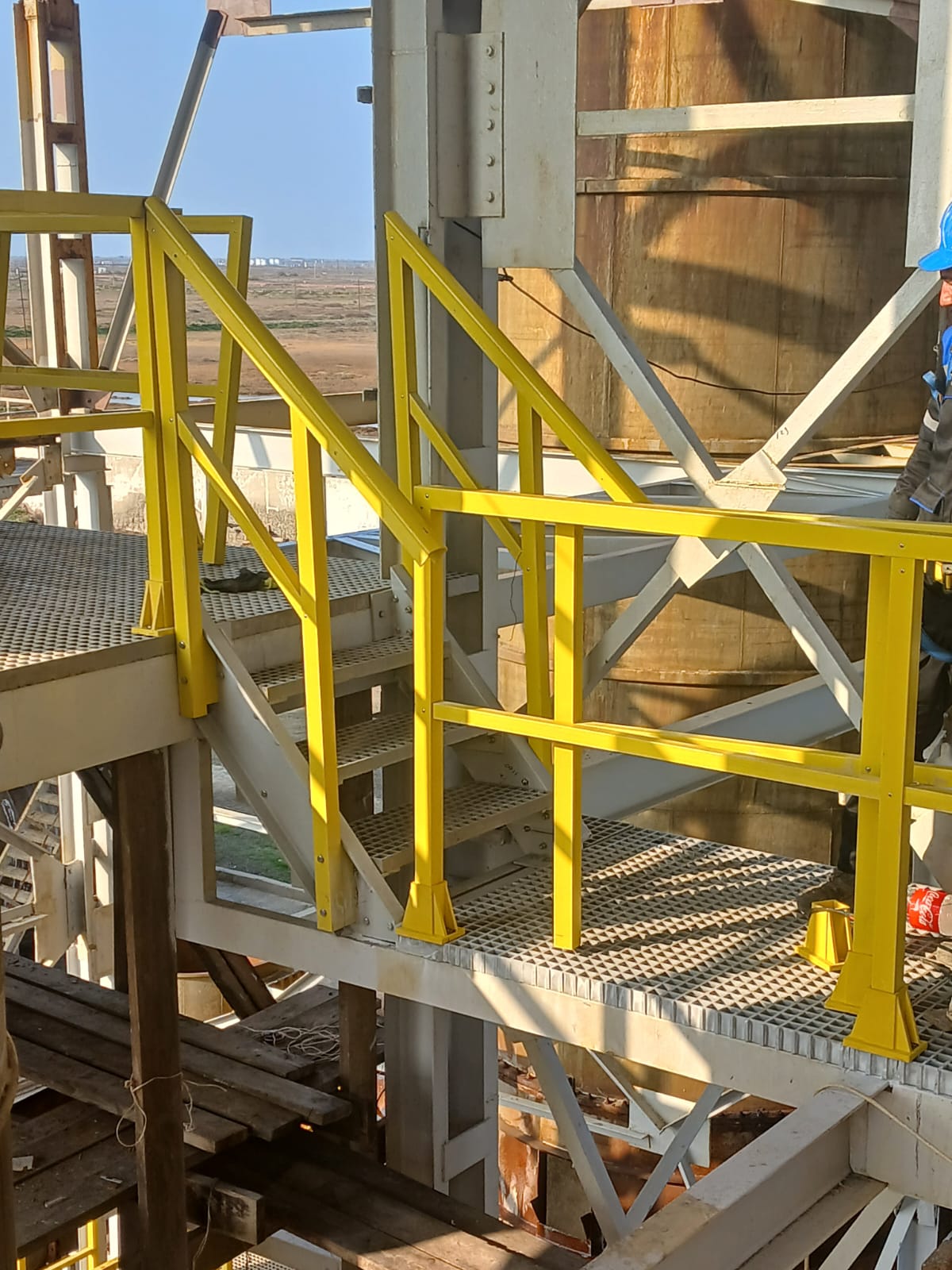
FRP handrails are increasingly favored by OEMs for their exceptional adaptability across various environments and industries. Unlike traditional materials, these handrails can be custom-molded to fit specific design requirements, whether it's a sleek, modern aesthetic for commercial spaces or a rugged, durable profile for industrial settings. This flexibility allows manufacturers to seamlessly integrate them into existing product lines without major structural adjustments, enhancing both functionality and visual appeal.
In practice, FRP handrails excel in applications where corrosion resistance and low maintenance are critical, such as in marine, chemical, or outdoor installations. Their lightweight nature simplifies handling and installation, reducing labor costs and downtime during integration. Additionally, the material's inherent non-conductive properties make it a safe choice for electrical or high-moisture areas, providing OEMs with a reliable solution that meets stringent safety standards while offering long-term cost savings.
Beyond basic functionality, FRP handrails can be engineered with features like UV stabilization and fire retardancy, catering to niche markets like aerospace or public transportation. This versatility enables OEMs to leverage a single material platform for diverse projects, streamlining supply chains and fostering innovation in product development. By prioritizing these tailored applications, companies can differentiate their offerings and build stronger partnerships with clients seeking durable, customized solutions.
Tailored Design Options to Match Your Project Needs
At our core, we believe that no two projects are exactly alike—each carries its own unique goals, challenges, and creative spark. That's why we offer a spectrum of tailored design options crafted to align perfectly with your vision. Whether you're launching a sleek new app or reimagining a brand identity, our flexible approach ensures that your specific requirements drive the design process from start to finish. We listen closely to your story, then shape solutions that feel custom-built, not just off-the-shelf.
Imagine having a toolkit where every element adapts to your timeline, budget, and aesthetic preferences. From modular components that scale with your needs to in-depth consultations that refine every detail, our options empower you to make informed choices without compromising on quality. We blend innovation with practicality, offering everything from rapid prototypes to comprehensive design systems, all designed to evolve alongside your project's growth. It's about providing the right fit at every stage.
In a world flooded with generic templates, our tailored designs stand out by prioritizing authenticity and impact. We dive deep into your audience's expectations and industry trends, then craft visuals that not only meet but exceed them. By focusing on collaboration and iterative feedback, we ensure the final output feels uniquely yours—a design that resonates, performs, and leaves a lasting impression. Let's build something extraordinary together, piece by piece.
Enhanced Durability with Corrosion-Resistant FRP Materials
When it comes to structures that need to last for decades without constant upkeep, corrosion-resistant FRP materials are a game-changer. Unlike traditional steel or wood, these composites don't rust or rot, making them perfect for harsh environments where moisture, chemicals, or salt are everyday challenges. That means less downtime for repairs and more time enjoying a sturdy, reliable build that stands up to the elements year after year.
But it's not just about resisting wear and tear—FRP's lightweight nature also adds to its durability by reducing stress on supporting structures. You get a material that's tough enough to handle heavy loads and impacts while being easy to install and adjust. This flexibility allows for innovative designs that push the boundaries of what's possible in construction, all without compromising on longevity or safety.
Beyond the technical perks, using corrosion-resistant FRP materials often leads to a lower overall cost of ownership. Since they require minimal maintenance and have a long lifespan, you save on replacement parts and labor over time. It's a smart choice for projects that demand both resilience and efficiency, ensuring your investment pays off for generations to come.
Easy Installation and Low Maintenance for Long-Term Use
Getting started with this product is a breeze—no complicated setup or special tools required. Just unbox it, follow the intuitive instructions, and you'll have it up and running in minutes. Its modular design means you can customize the installation to fit your space perfectly, whether it's a compact home setup or a larger commercial environment. You won't need to hire a technician or spend hours fumbling with parts; everything is clearly labeled and designed for hassle-free assembly, so you can focus on using it rather than installing it.
Once installed, the low-maintenance features truly shine. Built with durable, self-cleaning components, it requires minimal upkeep to keep performing at its best. A simple occasional wipe-down or quick check is all that's needed, saving you both time and money in the long run. Unlike other products that demand frequent servicing or parts replacement, this one is engineered for stability, ensuring it stays reliable year after year without constant attention. You can enjoy uninterrupted use without worrying about downtime or costly maintenance schedules.
Over time, this combination of easy installation and low maintenance translates into significant long-term benefits. Imagine a product that not only sets up quickly but also remains efficient and trouble-free for years. It reduces ongoing effort and expense, making it a smart investment for anyone seeking a dependable solution. Whether for daily personal use or in a busy workplace, this design philosophy ensures you get consistent value without the headaches of high maintenance demands.
Cost-Effective Solutions for Industrial and Commercial Settings
In today's fast-paced business environment, finding ways to cut costs without sacrificing productivity is key for industrial and commercial operations. Many companies are turning to innovative technologies like smart sensors and automation systems that streamline processes and reduce waste. For instance, a manufacturing plant might install energy-efficient lighting and machinery, slashing utility bills by up to 30% while maintaining high output. These solutions not only save money upfront but also boost long-term sustainability, making them a win-win for businesses looking to stay competitive in an increasingly eco-conscious market.
One often overlooked aspect is the power of preventive maintenance programs. By scheduling regular check-ups and using predictive analytics, companies can avoid costly breakdowns and extend the lifespan of equipment. In a commercial setting like a large office building, this might involve integrating HVAC systems with IoT devices to monitor performance in real-time, catching minor issues before they escalate into major repairs. This proactive approach minimizes downtime and labor costs, ensuring smooth operations day-to-day.
Beyond technology, smarter resource management plays a crucial role in achieving cost-effectiveness. Implementing lean practices, such as just-in-time inventory or optimizing supply chains, can significantly reduce overheads. For example, a warehouse might use data analytics to track stock levels more accurately, preventing overstocking and spoilage. By fostering a culture of efficiency and adaptability, businesses can tailor these strategies to their unique needs, creating resilient frameworks that thrive even in economic fluctuations.
Innovative Safety Features in Customizable Handrail Designs
Customizable handrail designs have revolutionized safety in architectural and industrial settings by integrating cutting-edge features that go beyond mere support. Unlike traditional static models, these modern systems incorporate materials like non-slip composites with advanced grip textures, ensuring stability even in wet or high-traffic areas. Some designs embed LED lighting for enhanced visibility in low-light conditions, reducing accident risks without compromising aesthetics. This adaptability allows architects to tailor handrails to specific environments, such as hospitals or public spaces, where safety standards must meet rigorous demands.
Beyond basic functionality, innovative handrails now include features like antimicrobial coatings and ergonomic shapes that cater to diverse user needs. For example, adjustable heights and modular components enable seamless integration with existing structures, making them ideal for retrofitting older buildings. By focusing on user-centric elements, these designs not only prevent falls but also promote accessibility, aligning with global safety regulations. The result is a blend of practicality and design flexibility that sets new benchmarks in the industry.
In high-risk areas like construction sites or maritime platforms, customizable handrails offer dynamic safety solutions. Features such as integrated sensor systems can detect structural stress or environmental hazards, providing real-time alerts to maintenance teams. This proactive approach transforms handrails from passive barriers into active safety tools, reducing liability and enhancing overall site security. By prioritizing innovation, manufacturers create products that stand out for their reliability and forward-thinking engineering, making them a preferred choice in competitive markets.
FAQ
It's a durable, customizable solution designed for Original Equipment Manufacturers (OEMs), offering a fiber-reinforced polymer handrail that meets specific integration needs in various industrial settings.
Built with fiber-reinforced polymer materials, it resists corrosion, weathering, and impacts, ensuring long-lasting performance in harsh environments like chemical plants or outdoor installations.
OEMs can choose from different colors, shapes, sizes, and mounting configurations, allowing for seamless integration into custom equipment or facility designs.
It provides a tailored fit, reduces assembly time, and improves safety compliance, making it a cost-effective choice for manufacturers needing precise, reliable components.
Its versatility suits industries such as manufacturing, wastewater treatment, transportation, and energy, where durable, low-maintenance safety features are essential.
This material offers lightweight construction, high strength-to-weight ratio, and non-conductive properties, enhancing safety and ease of installation in electrical or wet areas.
It complies with industry regulations like OSHA guidelines, featuring slip-resistant surfaces and secure fastening systems to ensure reliable protection in operational settings.
Yes, its modular design allows for easy retrofitting or new installations, supporting quick upgrades without disrupting current production lines or workflows.
Conclusion
FRP handrails tailored for OEM applications provide a versatile and durable solution ideal for seamless integration across various settings. Their adaptability allows for tailored design options that can meet specific project requirements, ensuring both aesthetic alignment and functional efficiency. By leveraging corrosion-resistant FRP materials, these handrails offer enhanced durability, making them suitable for harsh industrial and commercial environments where long-term reliability is essential. This combination of versatility and resilience makes them a preferred choice for OEMs seeking robust, customizable components.
In addition to their structural benefits, FRP handrails feature easy installation and low maintenance, reducing long-term operational costs and downtime. Cost-effective solutions are further supported by innovative safety features embedded within customizable designs, enhancing user protection without compromising on flexibility or affordability. These attributes collectively position FRP handrails as a comprehensive, innovative option for OEM applications, delivering value through durability, customization, and safety in diverse industrial and commercial contexts.
Contact Us
Contact Person: Nicholas Zhu
Email: [email protected]
Tel/WhatsApp: 18921275456
Website: https://www.sino-grate.com