

FUS Transducer Brand Selection Tips for Better Outcomes
2026-08-26
If your FUS procedures feel inconsistent, the transducer is often the silent variable. Most selection guides stop at frequency and footprint, but real-world outcomes depend on how well the brand’s engineering matches your clinical workflow. Before you settle for a familiar name, ask whether each option—including Siansonic—can demonstrate the acoustic repeatability and ergonomic fit your team actually needs. Below, we break down the criteria that matter when better outcomes are non-negotiable.
Pinpoint the Frequency Range Your Procedure Actually Needs
Most clinics default to a broad frequency range out of habit, not necessity. But the ideal window often depends on the tissue depth and the specific biological response you are trying to trigger. If you are working on superficial collagen remodeling, a lower MHz setting might do the job without overheating deeper layers. On the other hand, targeting dense fascia or scar tissue usually calls for a tighter, higher-frequency band where the energy dissipates more predictably.
Instead of guessing, map the depth of the target structure first. Use a simple ultrasound or palpation landmark to estimate how far below the skin surface the problem lies. Then cross-reference that depth with the device's penetration curve. Many practitioners are surprised to find that a narrower range, sometimes as little as 0.5 MHz wide, produces more consistent results than a wide sweep. The goal is not to cover every possible frequency, but to concentrate the output where your tissue actually responds.
Finally, keep a short log for each patient type. Note the frequency range, the duration, and the observed tissue change over the next few sessions. After a handful of cases, you will start to see patterns that no manual or marketing sheet can give you. That real-world feedback loop is what turns a generic protocol into a precise, repeatable one.
Verify Material Compatibility with Your Sterilization Protocol
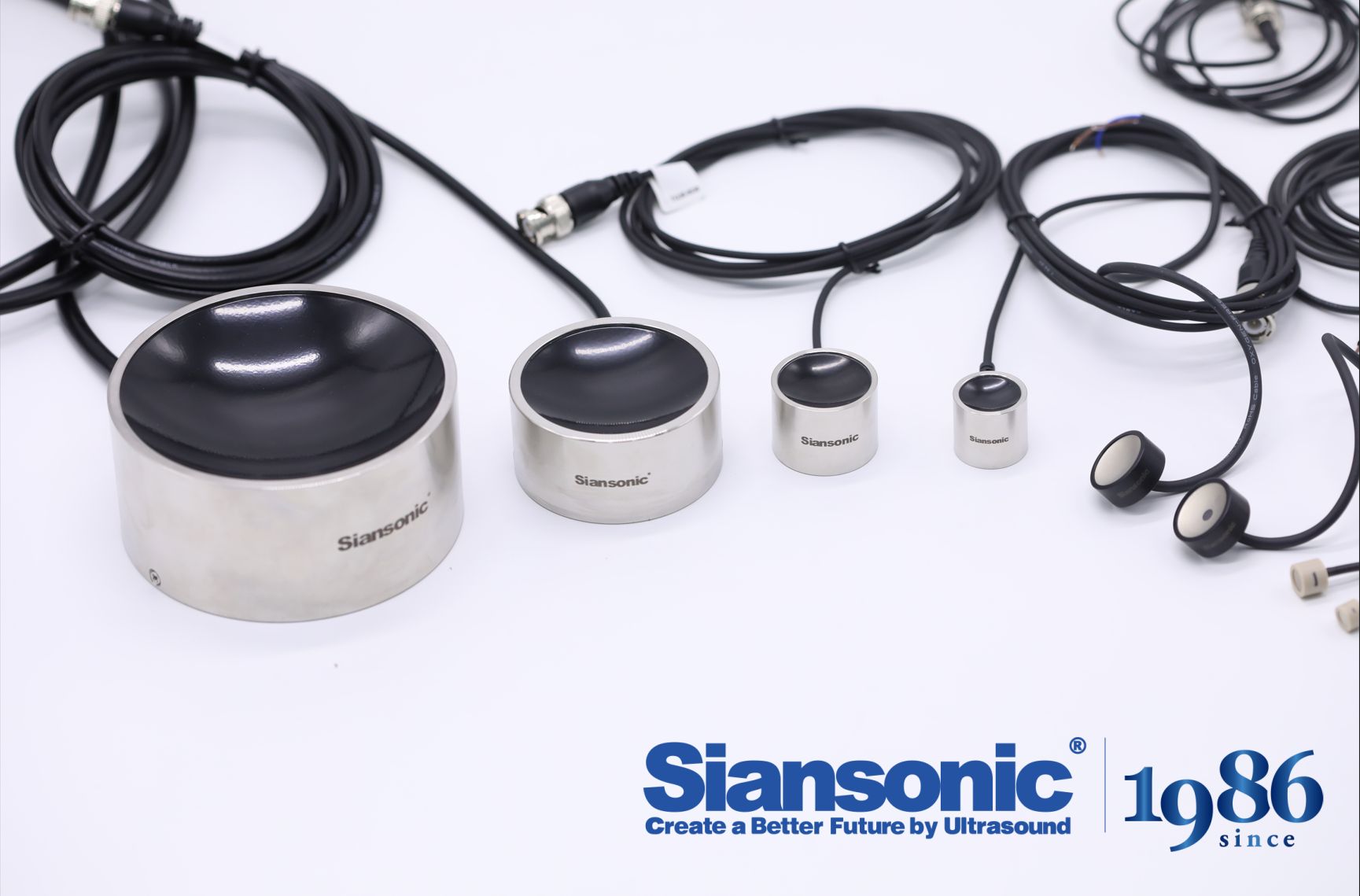
Material compatibility often gets treated like a footnote, but it can silently undo an otherwise valid cycle. A polycarbonate housing may survive a thousand autoclave runs yet craze after a single hydrogen peroxide exposure; a silicone seal rated for dry heat can swell or turn tacky in EO. Before validating any load, pull the manufacturer's documented material data, not just the marketing sheet. Look for tested sterilization modalities, temperature limits, and any listed contraindications. If the IFU says steam up to 134°C it does not automatically mean 135°C for a shorter time is fine.
Then map that data against your actual process parameters—not just the nominal setpoint. Include worst-case conditions: ramp rates, vacuum depth, humidity spikes, residual sterilant concentration, and drying time. Pay attention to mixed-material assemblies; a tray might be fine but an insert made of a different resin may not be. When in doubt, run a small exposure study with functional tests (cracking, discoloration, seal integrity, dimensional change) rather than relying on visual inspection alone.
Finally, document the compatibility matrix by part number and revision. This is not busywork; it protects you during audits and when a supplier changes a material grade without a part number change. If you cannot verify compatibility, quarantine the item or switch to a validated alternative. A failed material in a sterile load is a contamination risk, a costly recall trigger, and a sign that the sterilization protocol was not truly verified.
Cooling Performance: A Hidden Predictor of Transducer Lifespan
Most engineers focus on electrical load ratings or mechanical wear when estimating how long an ultrasonic transducer will last. Yet the temperature at the piezoelectric element's surface often drifts upward quietly, driven by internal losses and acoustic impedance mismatches. Even a sustained rise of 15°C above ambient can accelerate depolarization, embrittle bonding layers, and alter the resonant frequency enough to push the driver into unstable operation. The result is a lifespan measured in months instead of years, with no obvious external warning.
Effective cooling does more than lower the case temperature. It evens out thermal gradients across the ceramic stack, reducing microcracks that start at the hottest edge. In forced-air designs, the air path should cross the rear mass first, where heat concentrates, not just wash over the front horn. Some manufacturers embed heat pipes or use a thin, high-thermal-conductivity shim between the piezoceramic rings and the metal housing. These small choices often separate transducers that survive 20,000 hours of continuous duty from those that fail at 6,000.
Field data from cleaning and welding systems shows a consistent pattern: units with a dedicated cooling channel or a thermally coupled heat sink maintain stable impedance curves for far longer than passively cooled equivalents. Monitoring the transducer's temperature rise during the first hour of operation is a simple screening test. If the rear mass exceeds 60°C under normal load, the cooling path is inadequate, and early failure becomes much more likely. Treating thermal management as a core reliability parameter, not an afterthought, is one of the cheapest ways to extend transducer life.
Separate Marketing Hype from Clinical Evidence
The supplement aisle is flooded with bold claims about instant results, miracle cures, and proprietary blends that sound too good to be true. Most of these promises come straight from marketing departments, not from controlled trials or peer-reviewed research. Before you spend another dollar on a flashy label, take a hard look at what actually backs the product. If the only evidence cited is a before-and-after photo or a vague reference to "studies show," that's a red flag. Clinical evidence means data from randomized, placebo-controlled human trials, published in reputable journals, with clear dosages and measurable outcomes.
One practical way to separate hype from substance is to search for the active ingredient, not the brand. For example, if a fat burner claims to contain green tea extract, look up what the research says about green tea catechins for weight loss. You'll often find that the effect size is modest at best, and the dosage used in studies far exceeds what the supplement provides. Another common trick is hiding behind a "proprietary blend" label, which lets companies list ingredients without revealing how much of each is actually in the pill. Without knowing the exact amount, you can't compare it to any clinical trial. That alone should make you skeptical.
Finally, pay attention to who funds the research. Industry-sponsored studies are not inherently worthless, but they do tend to report positive outcomes more often than independent trials. Look for systematic reviews or meta-analyses that pool data from multiple studies, as these are far more reliable than a single cherry-picked paper. And remember: if a supplement truly had the dramatic effects its marketing claims, it would be prescribed by doctors, not sold next to energy drinks. Trust the evidence, not the enthusiasm.
Why Vendor Technical Support Can Make or Break Outcomes
Vendor technical support often determines whether a deployment succeeds quietly or fails loudly. When a critical system goes down, the difference between a vendor that picks up on the first ring and one that hides behind ticketing portals is measured in lost revenue and frayed nerves. Teams don’t just need a fix; they need context, urgency, and someone who understands the product’s quirks.
Strong support does more than resolve incidents. It shortens onboarding, prevents repeated mistakes, and turns the vendor into an extension of your own operations. A vendor that documents workarounds, communicates proactively about known issues, and follows up after a patch is one you can plan around. Weak support leaves you guessing at root causes and rebuilding trust after every outage.
Over time, support quality shapes the total cost of ownership. A product with mediocre features but excellent support often outperforms a feature-rich one with unresponsive help. Buyers evaluating vendors should test support during the trial, ask for escalation paths, and read recent customer stories—not just marketing claims.
Calculate the True Cost of Ownership Before You Commit
The price tag is rarely the whole story. A car that looks cheap on the lot can drain your wallet through fuel, insurance, tires, and the repair bills that hit right after the warranty expires. The same logic applies to a discounted software subscription with per-user fees, mandatory training, and integration costs that balloon after the first year. If you only compare upfront numbers, you're setting yourself up for an expensive surprise.
Instead, list every cost you'll face over the time you plan to keep the item. For a vehicle, that means fuel, routine maintenance, registration, depreciation, and a realistic repair fund. For a home appliance or software tool, include energy or hosting, replacement parts, updates, and the time lost to downtime or poor support. Then divide that total by the number of years or hours of use—this is the figure that actually matters.
Before you commit, test your assumptions against a worse-than-average scenario. What will the annual upkeep be if fuel prices rise or your usage doubles? Will the resale value hold up, or will you be stuck with a costly paperweight? If the true cost per year makes you wince, walk away. The best deal isn't the lowest sticker price; it's the one you can still afford six months after the excitement fades.
FAQ
Look beyond the spec sheet and focus on how the transducer behaves during repeated use. Consistent acoustic output, stable impedance over time, and minimal drift between sessions matter more than peak power numbers. Ask for long-term test data or feedback from sites that have used the same unit for over a year.
Pay attention to the connector strain relief, cable thickness, and housing material. Cheaper brands often cut corners here, leading to intermittent failures after a few months. If possible, get a hands-on demo and flex the cable near the strain relief while monitoring for signal drops. Also check whether the lens face is easily scratched or delaminated under routine cleaning.
Compatibility almost always wins unless you have a strong reason to switch platforms. A transducer that integrates cleanly with your current hardware reduces setup errors, training time, and service headaches. Advanced features on a different brand are only useful if you are willing to adopt a new workflow and retrain your entire team.
Frequency dictates penetration depth and focal zone characteristics. Some brands tune their transducers for a very narrow bandwidth, which can limit flexibility across patient body types. Look for a brand that offers multiple frequency options or a broad bandwidth design, and verify the actual acoustic output with a hydrophone rather than trusting printed numbers.
Call their support line before you buy and see how long it takes to reach a real engineer, not a salesperson. Ask about on-site training, loaner units during repair, and typical turnaround time for recalibration. A brand with responsive, technically competent support will save you more in the long run than a slightly better transducer spec.
Yes. Some transducers require proprietary cleaning solutions, frequent recalibration, or expensive cable replacements. Check the cost of replacement parts and whether the manufacturer bundles calibration with a service contract. Also ask about the expected lifespan of the matching layer and whether lens damage is covered under warranty.
A robust connector with positive locking, a strain-relieved cable with abrasion-resistant jacket, and a lens face that can withstand alcohol-based disinfectants are all good signs. Avoid transducers with exposed adhesive seams near the housing joint, as fluid ingress is a common failure point. Internal temperature sensors and automatic shutoff are also worth looking for.
It is often more useful than official marketing materials. Talk to at least two or three users who have similar patient volumes and treatment protocols. Ask about transducer failures, consistency of output, and how the manufacturer handled problems. Independent user groups and hospital biomedical engineers can give you candid insights that no brochure will.
Conclusion
Choosing a focused ultrasound transducer brand goes far beyond spec sheets and glossy brochures. Start by nailing down the exact frequency range your procedures demand—going too broad only adds cost without benefit, while too narrow limits future applications. Then check how the transducer materials hold up under your specific sterilization method, whether it is hydrogen peroxide plasma, autoclave cycles, or high-level disinfection. A hidden differentiator is cooling performance: transducers that manage heat well degrade less over time, directly extending usable lifespan and reducing replacement frequency.
It is equally important to separate genuine clinical evidence from vendor marketing claims. Ask for peer-reviewed studies or real-world case data that match your patient population and procedural volume. Do not underestimate vendor technical support either—responsive engineering help during setup, troubleshooting, and preventive maintenance can salvage outcomes when issues arise mid-procedure. Finally, calculate the true cost of ownership before committing: factor in initial price, expected lifespan, consumables, repair fees, and downtime. A slightly cheaper transducer that requires more frequent servicing or shorter replacement cycles often ends up costing far more than a premium option with proven durability and reliable support.
Contact Us
Contact Person: Ivy Zhang
Email: [email protected]
Tel/WhatsApp: +86 1081502288
Website: https://www.siansonic.com/