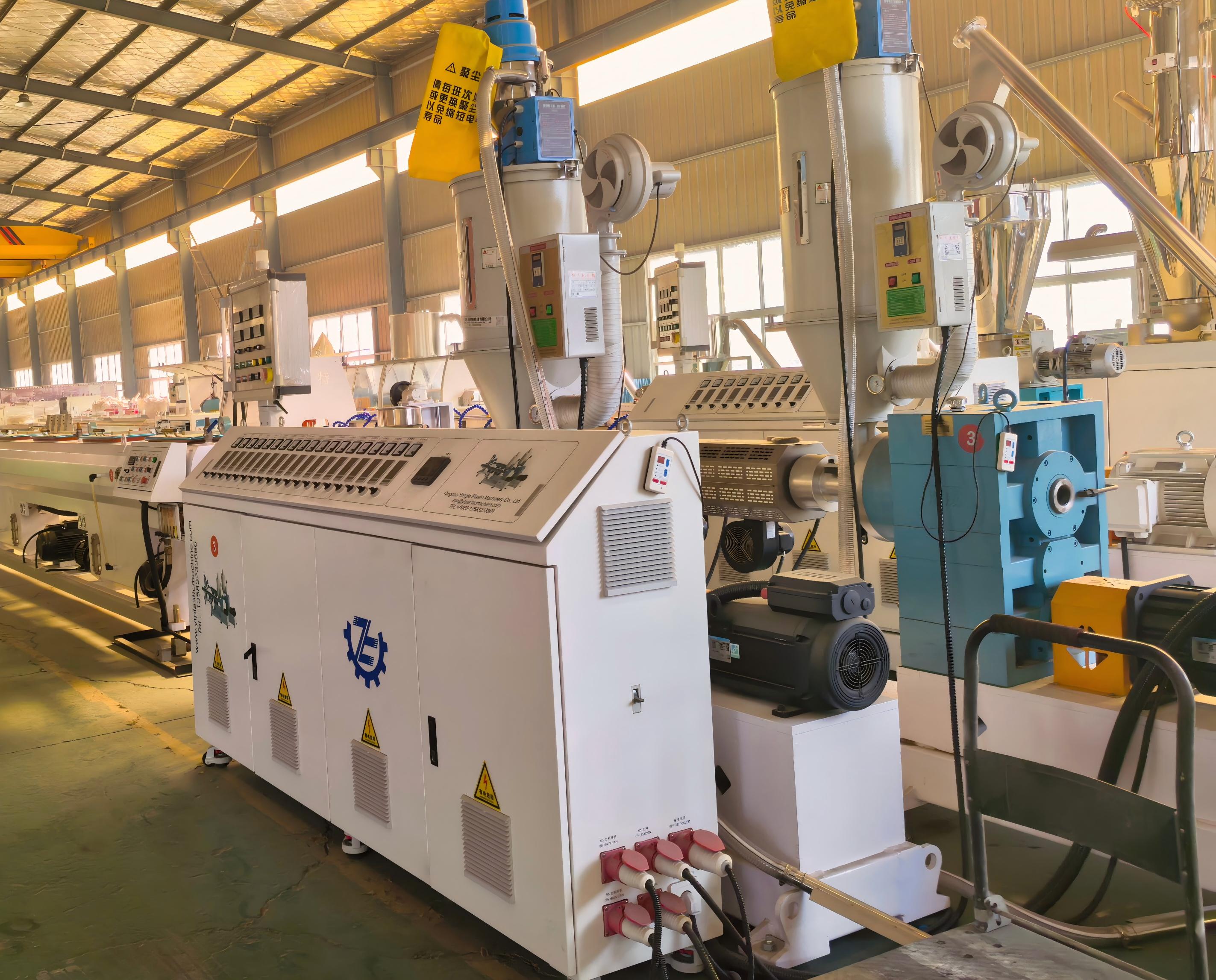

High-Performance Plastic Lumber Machines: Revolutionizing Eco-Friendly Manufacturing Solutions
2026-03-18
In an era where sustainability meets innovation, the manufacturing landscape is undergoing a remarkable transformation. With environmental concerns driving demand for eco-friendly alternatives, high-performance plastic lumber machines are emerging as game-changers, offering robust solutions that reduce waste and conserve natural resources. At the forefront of this revolution is Yongte, a brand dedicated to pioneering advanced technologies that redefine how we think about plastic recycling and product durability. Imagine machinery that not only processes recycled plastics efficiently but also produces lumber that rivals traditional wood in strength and versatility—this is where the future of manufacturing is headed. As we delve into the intricacies of these cutting-edge systems, we'll explore how they're reshaping industries, from construction to consumer goods, and why embracing such innovations is crucial for a greener planet. Join us on this journey to discover how high-performance plastic lumber machines, championed by leaders like Yongte, are paving the way for a more sustainable and efficient world, one recycled product at a time.
Innovative Designs for High-Strength Recycled Plastic Lumber
High-strength recycled plastic lumber is revolutionizing construction and outdoor projects by combining sustainability with durability. Unlike traditional wood, it resists rot, insects, and weathering, making it ideal for decks, boardwalks, and marine structures. Innovations in polymer blends and reinforcement techniques, such as adding fiberglass or composite materials, enhance its load-bearing capacity and thermal stability. This eco-friendly alternative reduces landfill waste and maintenance costs, appealing to both eco-conscious consumers and commercial developers seeking long-term solutions.
Recent design breakthroughs focus on mimicking the aesthetic appeal of natural wood while improving functionality. Techniques like textured surfaces and color infusion create realistic grain patterns and hues, blending seamlessly with outdoor environments. Structural innovations, such as hollow-core profiles or interlocking systems, reduce weight without sacrificing strength, allowing for easier installation and creative architectural applications. These advancements address common criticisms of recycled plastic, such as limited flexibility or appearance, making it a versatile choice for urban furniture, playgrounds, and green building projects.
The future of high-strength recycled plastic lumber lies in smart customization and advanced manufacturing. 3D printing and modular designs enable tailored shapes for specific needs, from custom railings to earthquake-resistant components. Research into nanotechnology and biodegradable additives aims to further boost strength and lifespan while minimizing environmental impact. As industries prioritize circular economies, these innovations position recycled plastic lumber as a key material for sustainable infrastructure, offering a robust alternative that meets rigorous performance standards without compromising on green principles.
Energy-Efficient Processing to Reduce Carbon Footprints
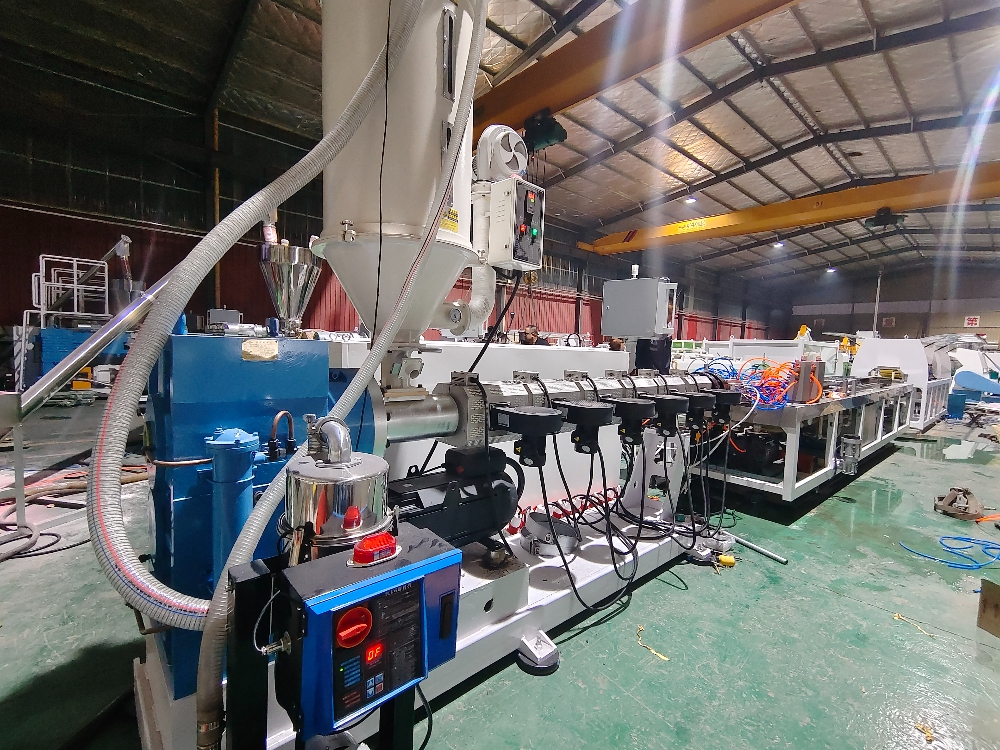
In today's digital age, where technology drives much of our daily activities, the carbon footprint of data processing has become a pressing environmental concern. Energy-efficient processing tackles this by optimizing how systems consume power, focusing on reducing waste and enhancing performance per watt. This approach not only lowers operational costs but also significantly cuts greenhouse gas emissions, making it a key strategy for sustainable tech development.
By leveraging advanced hardware and software innovations, such as low-power processors and intelligent algorithms, we can minimize energy usage in data centers and devices. Techniques like dynamic voltage scaling and workload consolidation ensure that resources are used only when needed, avoiding unnecessary power drain. This shift not only extends battery life in portable gadgets but also scales up to reduce the massive energy demands of cloud infrastructure.
Beyond technical tweaks, a broader adoption of energy-efficient practices fosters a culture of environmental responsibility in the tech industry. Companies that prioritize these methods often see improved public image and compliance with global green standards. As a result, investing in efficient processing is a practical step toward a cleaner future, helping to mitigate climate change while maintaining technological progress.
Customizable Machine Features for Diverse Industrial Applications
When it comes to machines with customizable features for diverse industrial applications, flexibility is the game-changer. Imagine a manufacturing line that can switch between producing automotive parts and medical devices without a major overhaul—this is where modular components and adaptive software come into play. By offering configurable options like variable speed controls, interchangeable tooling, and scalable interfaces, these machines empower businesses to tailor operations to specific market demands, reducing downtime and boosting efficiency. It's not just about having more buttons to press; it's about creating a dynamic system that evolves with your industry's needs.
Another key aspect is the integration of smart sensors and IoT capabilities, which allow for real-time monitoring and adjustments. In sectors like pharmaceuticals or food processing, where precision and compliance are critical, customizable machines can be fine-tuned to meet stringent regulations while maintaining high output. This adaptability helps companies stay agile in competitive markets, as they can quickly respond to changes in production requirements or customer preferences without investing in entirely new equipment. The result is a more resilient operation that saves costs and enhances product quality over time.
Beyond functionality, the aesthetic and ergonomic customizations matter too. For instance, in heavy industries like construction or mining, machines can be outfitted with durable, weather-resistant coatings and user-friendly interfaces that improve safety and operator comfort. This level of personalization ensures that the equipment not only performs well but also fits seamlessly into diverse work environments, from controlled labs to rugged outdoor sites. Ultimately, these features support long-term sustainability by extending the lifespan of machinery and reducing waste through targeted upgrades.
Advanced Durability and Longevity in Eco-Friendly Products
When selecting eco-friendly products, durability is often a top concern for consumers who want to balance sustainability with practicality. Advanced durability in these items goes beyond simply lasting longer; it incorporates innovative materials and engineering that reduce wear and tear over time. For instance, products made from recycled plastics or biodegradable composites are designed to withstand daily use while minimizing environmental impact. This focus on longevity means fewer replacements, leading to less waste and a smaller carbon footprint over the product's lifecycle.
Longevity in eco-friendly products is enhanced through thoughtful design that prioritizes both functionality and resilience. Manufacturers are increasingly using techniques like modular construction, which allows components to be easily repaired or upgraded rather than discarded. This approach not only extends the product's usable life but also encourages a circular economy where resources are conserved. By investing in products that are built to last, consumers contribute to a more sustainable future while enjoying reliable performance that stands the test of time.
The integration of advanced durability features, such as water-resistant coatings or reinforced structures, ensures that eco-friendly products can handle rigorous conditions without compromising their green credentials. This makes them suitable for a wide range of applications, from outdoor gear to household items. Ultimately, emphasizing longevity in sustainable goods helps shift consumption patterns away from disposable culture, fostering a mindset where quality and environmental stewardship go hand in hand.
Streamlined Production for Faster Turnaround and Lower Costs
In today's fast-paced market, streamlining production processes is essential for businesses seeking a competitive edge. By implementing more efficient workflows and reducing unnecessary steps, companies can significantly cut down on lead times. This not only meets customer demand more quickly but also frees up resources for innovation. Think about how a well-oiled machine operates—with fewer bottlenecks and smoother transitions, you're able to deliver products to the market in record time. It's all about working smarter, not harder, turning what was once a lengthy process into something swift and responsive.
Moreover, a streamlined approach directly impacts the bottom line by lowering operational costs. When production is optimized, waste is minimized, whether it's in materials, energy, or labor. This efficiency translates into savings that can be passed on to customers or reinvested into the business. For instance, adopting just-in-time inventory methods reduces storage expenses, while automated systems handle repetitive tasks, cutting down on labor overhead. Over time, these cost reductions add up, making your operations more sustainable and profitable without compromising on quality. It's a win-win that boosts both your market position and financial health.
Beyond the immediate benefits, streamlined production fosters a culture of continuous improvement, setting companies apart in crowded industries. By constantly reviewing and refining processes, businesses can adapt to changing trends and customer needs with agility. This proactive mindset not only ensures faster turnaround and lower costs but also enhances overall resilience and innovation. Imagine being able to pivot quickly when new opportunities arise or challenges surface. It's this blend of efficiency and adaptability that truly differentiates leaders from the rest, making streamlined production a cornerstone of long-term success.
Enhancing Sustainability with Smart Manufacturing Technologies
Smart manufacturing technologies are revolutionizing industries by seamlessly integrating advanced systems that not only boost efficiency but also drive significant environmental benefits. By leveraging Internet of Things (IoT) sensors, artificial intelligence (AI), and real-time data analytics, factories can monitor energy consumption, reduce waste, and optimize resource use, directly contributing to sustainability goals. For example, predictive maintenance powered by machine learning can prevent equipment failures, minimizing downtime and lowering energy usage, while digital twins allow for simulation and testing of processes before implementation, cutting down on material wastage and carbon emissions. These innovations make operations more agile and resilient, turning manufacturing into a proactive force for environmental stewardship rather than a passive contributor to ecological challenges.
Beyond just cutting costs, smart technologies enable manufacturers to adopt circular economy principles by tracking materials throughout the product lifecycle. With blockchain and AI-driven supply chain management, companies can ensure transparency and traceability, promoting the reuse and recycling of components. This shift not only reduces reliance on virgin resources but also lessens landfill waste, creating a closed-loop system that aligns with global sustainability targets. In practice, facilities using smart sensors can dynamically adjust lighting and heating based on occupancy, further slashing energy bills and carbon footprints, proving that technological advancement and ecological responsibility can go hand in hand.
Ultimately, embracing smart manufacturing isn't just a trend—it's a strategic move toward a greener future. By fostering innovation in areas like additive manufacturing and automation, businesses can produce goods with higher precision and fewer defects, leading to less scrap and longer product lifespans. This holistic approach not only enhances competitiveness but also builds brand reputation among environmentally conscious consumers. As industries worldwide face increasing pressure to decarbonize, smart technologies offer a scalable pathway to achieve sustainability without sacrificing productivity, making them indispensable tools for any forward-thinking enterprise committed to leaving a lighter footprint on the planet.
FAQ
These machines transform waste plastics into durable lumber, reducing landfill use and conserving natural resources like wood, offering a sustainable alternative that's both cost-effective and long-lasting.
They process various plastics, including hard-to-recycle materials like mixed or contaminated plastics, using advanced shredding and extrusion technologies to create uniform, strong composite lumber products.
Plastic lumber is resistant to rot, moisture, and pests, requires minimal maintenance, and has a longer lifespan, making it ideal for outdoor applications like decking, fencing, and park benches.
Yes, many models are designed for easy integration with current production lines, allowing manufacturers to upgrade their processes without significant downtime or major infrastructure changes.
They help lower carbon emissions by reducing the need for logging and plastic incineration, supporting circular economy principles by turning discarded plastics into valuable, reusable materials.
Features like precision temperature control, automated material feeding, and real-time monitoring enhance output consistency, reduce energy consumption, and ensure high-quality end products with minimal defects.
Challenges include initial investment costs and material variability; these can be mitigated through government incentives, thorough waste sorting, and choosing machines with adaptable processing capabilities for optimal results.
Construction, landscaping, and urban development sectors benefit greatly due to the material's durability, low maintenance, and eco-friendly profile, aligning with green building trends and regulatory demands.
Conclusion
High-performance plastic lumber machines represent a transformative leap in eco-friendly manufacturing, merging innovative designs to produce high-strength recycled plastic lumber with advanced durability and longevity. By utilizing cutting-edge engineering, these machines convert plastic waste into robust, sustainable products that withstand harsh environmental conditions, outperforming traditional materials. This innovative approach not only reduces landfill waste but also delivers long-lasting solutions for construction, outdoor furniture, and industrial applications, enhancing sustainability through smart manufacturing technologies that optimize resource use.
The revolution extends to energy-efficient processing that significantly lowers carbon footprints, coupled with customizable machine features that adapt to diverse industrial needs. Streamlined production processes accelerate turnaround times and cut costs, making eco-friendly manufacturing more accessible and scalable. By integrating smart technologies, these machines enable precise control and monitoring, further boosting efficiency and reducing environmental impact. Ultimately, they offer a holistic, cost-effective pathway to greener industries, driving a shift toward circular economies where waste becomes a valuable resource for durable, high-performance products.
Contact Us
Contact Person: Ms Qin
Email: [email protected]
Tel/WhatsApp: 8613583233866
Website: https://www.yongteplast.com