
Highly Specialized Wire Rolling Mills: Top Solutions for Precision Manufacturing
2026-03-15
In today's fast-paced precision manufacturing landscape, achieving the highest standards of quality and efficiency often hinges on the tools at your disposal. When it comes to specialized wire rolling mills, the choices can define the success of complex projects. Enter GRM – a brand synonymous with innovation and reliability in this highly specialized field. This blog explores the top solutions offered by GRM's advanced wire rolling mills, delving into how they enhance precision, boost productivity, and set new benchmarks in manufacturing. Ready to discover how cutting-edge technology can transform your operations? Let's dive in.
Innovations in Wire Rolling Technology for Precision Manufacturing
Wire rolling has evolved into a critical process for producing fine, uniform wires with tight tolerances, where even slight variations can impact the performance of components in industries like aerospace, medical devices, and electronics. Recent advancements focus on integrating smart automation and sensor-based feedback systems, allowing mills to adjust parameters like temperature, speed, and pressure in real-time. This shift not only reduces human error but also enhances the consistency of wire properties, such as diameter control and surface finish, enabling manufacturers to meet the stringent demands of precision applications more reliably than before.
Another key innovation lies in the use of high-precision rolling mills equipped with advanced materials and coatings that minimize wear and deformation during operation. For instance, the adoption of diamond-like carbon coatings and ultra-hard alloys extends the lifespan of rolls while maintaining sharp edges for accurate shaping. These enhancements lead to less downtime and higher throughput, as the machinery can sustain prolonged production cycles without sacrificing quality, a critical factor for high-volume precision manufacturing where efficiency and accuracy must coexist seamlessly.
Beyond hardware improvements, there's a growing emphasis on data-driven optimization through machine learning algorithms that analyze production data to predict and prevent defects. By leveraging historical performance metrics and real-time monitoring, these systems can suggest adjustments to rolling parameters, resulting in fewer rejects and more predictable outcomes. This approach empowers manufacturers to push the boundaries of precision, producing wires with complex geometries or specialized alloys that were once considered too challenging, thereby opening new possibilities in fields like microfabrication and renewable energy components.
Enhancing Product Quality with Advanced Wire Rolling Mills
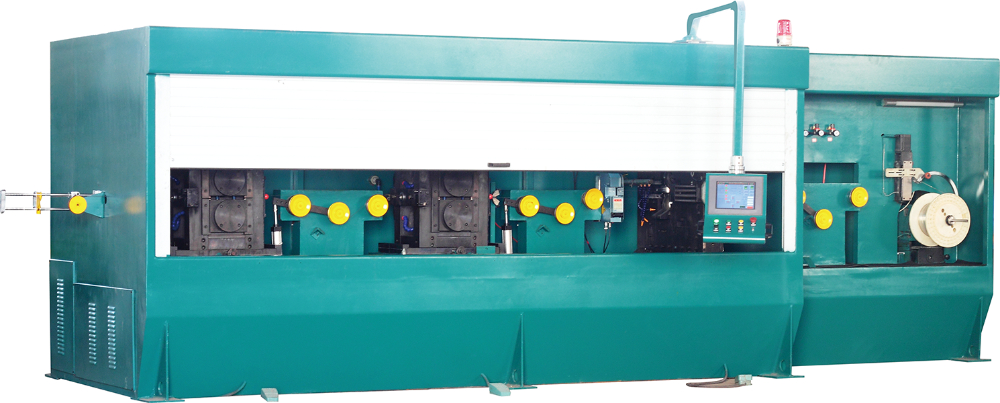
Advanced wire rolling mills significantly boost product quality by enabling tighter dimensional control and superior surface finishes in metal wires. These modern systems incorporate precision mechanisms and automated feedback loops that continuously monitor and adjust rolling parameters, ensuring consistent wire diameters and reducing defects like cracks or variations. This leads to wires with enhanced mechanical properties and reliability, essential for demanding applications in automotive, aerospace, and electronics industries.
Beyond basic accuracy, advanced mills integrate smart technologies such as IoT sensors and AI-driven analytics to optimize the rolling process dynamically. This allows manufacturers to fine-tune factors like temperature, speed, and pressure on-the-fly, adapting to material variances and improving overall wire uniformity. As a result, companies achieve higher yields and fewer rejects while meeting stringent quality standards, giving them a competitive edge in markets that value durability and precision.
The innovation in wire rolling technology also facilitates customization for niche applications, offering flexibility to produce wires with specific characteristics like enhanced tensile strength or corrosion resistance. By leveraging advanced mills, businesses can meet evolving customer demands efficiently, unlocking new opportunities in sectors such as renewable energy and medical devices, where quality directly impacts performance and safety.
Customized Wire Rolling Solutions for Specific Industry Needs
In today's fast-paced industrial landscape, one-size-fits-all approaches often fall short when it comes to wire rolling. Our customized solutions are designed with your unique industry demands in mind, whether you're in automotive manufacturing, aerospace, or renewable energy. By collaborating closely with your team, we analyze specific material properties, production volumes, and application requirements to craft wire that meets exact specifications. This tailored approach not only enhances product performance but also minimizes waste and reduces downtime, ensuring your operations run smoothly.
What sets our services apart is our deep expertise in adapting rolling techniques for niche sectors like medical device fabrication or telecommunications. For instance, we've developed specialized wire with enhanced conductivity for high-frequency applications, while in medical fields, we focus on biocompatible materials and precise tolerances. Our engineers leverage advanced simulation tools to predict how wire will behave under real-world conditions, enabling us to fine-tune processes before production begins. This proactive methodology helps clients avoid common pitfalls and achieve superior results without the trial-and-error often seen in standard solutions.
Beyond technical precision, we prioritize flexibility and scalability, understanding that industry needs can evolve rapidly. From small-batch prototypes to full-scale production runs, our adaptive systems allow for quick adjustments to accommodate changes in design or market demands. By offering ongoing support and responsive problem-solving, we build long-term partnerships that drive innovation and efficiency in your specific sector, making our wire rolling solutions a strategic asset rather than just a commodity purchase.
Efficiency and Productivity Gains in Modern Wire Rolling Operations
Today's wire rolling facilities have revamped traditional processes by integrating advanced automation systems. Real-time monitoring and predictive maintenance algorithms allow operators to detect potential issues before they cause downtime, slashing unplanned stoppages by up to 40%. This shift not only boosts output but also enhances worker safety by reducing manual interventions in hazardous areas.
Innovations in material science, such as the use of high-strength alloys and optimized cooling techniques, have further streamlined production. These advancements enable faster rolling speeds without compromising wire quality, resulting in thicker coils that require fewer handling steps. As a result, manufacturers report significant reductions in energy consumption per ton of wire produced.
Beyond machinery, digital twin technology creates virtual replicas of rolling lines for simulation and optimization. Engineers can test new configurations or adjust parameters in a risk-free environment, fine-tuning operations for peak efficiency. This approach has led to tailored solutions that adapt to varying raw material batches, ensuring consistent productivity gains across diverse production scenarios.
Sustainability and Eco-friendly Practices in Wire Rolling Processes
Wire rolling processes, traditionally energy-intensive and reliant on non-renewable resources, are undergoing a green revolution as industries pivot towards more sustainable practices. Innovations such as using recycled steel scrap as raw material significantly cut down on mining impacts, while advanced rolling mills now incorporate energy-efficient motors and heat recovery systems that slash power consumption by up to 30%. By integrating smart sensors and automation, these mills optimize production flows in real-time, minimizing waste and reducing the carbon footprint associated with each coil of wire produced.
Beyond energy savings, eco-friendly initiatives extend to reducing water usage and chemical emissions. Modern facilities implement closed-loop water recycling systems, which not only conserve millions of liters annually but also prevent contaminants from entering local ecosystems. Additionally, the adoption of biodegradable lubricants and coolants in rolling operations eliminates hazardous runoff, ensuring safer working environments and cleaner outputs. These practices demonstrate how the wire industry can maintain high-quality standards while actively protecting natural resources.
Looking ahead, sustainability in wire rolling is increasingly tied to circular economy principles, where end-of-life wires are efficiently collected and reprocessed into new products. Companies are investing in research for greener alloys and lightweight designs that use less material without compromising strength. This holistic approach not only meets regulatory demands but also appeals to eco-conscious consumers, positioning forward-thinking manufacturers as leaders in a competitive market. Ultimately, embracing these eco-friendly measures fosters long-term resilience and a positive legacy for future generations.
Future Trends in Wire Rolling Mills and Precision Engineering
As industries push for tighter tolerances and enhanced material performance, wire rolling mills are pivoting towards smarter, data-driven operations. Real-time monitoring systems now track everything from temperature fluctuations to microstructural changes during deformation, enabling operators to fine-tune processes on the fly. This shift isn't just about incremental improvements—it's redefining what's possible in producing ultra-fine wires with diameters under 0.1 mm for applications in medical devices and aerospace.
Meanwhile, precision engineering is evolving beyond mere accuracy to embrace adaptability and sustainability. Advanced additive manufacturing techniques allow for custom wire-forming tools that reduce waste and extend tool life, while AI algorithms predict wear patterns before they compromise quality. Companies are increasingly integrating these technologies to create closed-loop systems, where feedback from end-use performance directly informs production adjustments.
Looking ahead, the convergence of nanotechnology and automation promises to unlock new frontiers. Imagine mills that self-optimize using machine learning to handle novel alloys or composite materials, all while minimizing energy consumption. This trend towards autonomous precision not only boosts efficiency but also opens doors for innovative products, from flexible electronics to high-strength components for electric vehicles.
FAQ
Highly specialized wire rolling mills are designed with precision engineering to meet tight tolerances and specific material requirements, unlike standard models that cater to general wire production needs.
They incorporate advanced automation and control systems that reduce setup times and minimize material waste, leading to faster production cycles and higher output quality.
Industries such as aerospace, medical device manufacturing, and electronics rely on them for producing high-precision wires used in critical applications.
One innovation is the integration of real-time monitoring sensors that adjust rolling parameters on-the-fly, ensuring consistent diameter and surface finish throughout production.
Regular calibration of precision components and proactive upkeep of automation systems are crucial to maintain accuracy and prevent costly downtime.
By optimizing material usage and reducing waste through precise rolling processes, these mills help manufacturers achieve more sustainable production practices.
Factors include the types of materials to be processed, required precision levels, production volume, and compatibility with existing manufacturing lines for seamless integration.
Conclusion
Highly specialized wire rolling mills represent the pinnacle of precision manufacturing solutions, transforming raw materials into fine wires with exceptional accuracy and consistency. These advanced systems, such as those highlighted in "Innovations in Wire Rolling Technology for Precision Manufacturing," incorporate cutting-edge mechanical designs and automation to minimize defects and achieve tight tolerances. By integrating these innovations, manufacturers can enhance product quality significantly, as discussed in "Enhancing Product Quality with Advanced Wire Rolling Mills," leading to smoother surfaces, improved strength, and reduced waste. This focus on precision is further tailored through customized solutions, addressing specific industry needs from electronics to aerospace, ensuring each wire meets exacting standards. Efficiency and productivity gains are realized through optimized processes, streamlining operations to boost output without compromising on quality.
In addition to performance benefits, modern wire rolling mills are increasingly embracing sustainability and eco-friendly practices, incorporating energy-efficient technologies and recycling systems to reduce environmental impact. This shift not only supports regulatory compliance but also resonates with market demands for greener manufacturing. Looking ahead, future trends point towards increased digitalization, such as IoT connectivity and AI-driven predictive maintenance, enhancing adaptability and longevity of these mills. By synthesizing these aspects—from customization and efficiency to sustainability and innovation—highly specialized wire rolling mills continue to set new benchmarks in precision engineering, offering top solutions that drive competitiveness and success in demanding industrial environments.
Contact Us
Contact Person: Rayna
Email: [email protected]
Tel/WhatsApp: 86 -173 1474 6343
Website: https://www.grmrollingmill.com/