Laser Inflammation Relief in China: Your Guide to Advanced Pain Management
2026-07-31
In China's rapidly evolving healthcare landscape, advanced pain management is taking a bold leap forward with laser inflammation relief. This non-invasive technology is transforming how we address chronic aches and sports injuries—without drugs or downtime. Leading this shift is GUANG TAI, whose cutting-edge therapeutic lasers are setting new standards in precision and patient comfort. Whether you're a practitioner seeking reliable devices or a patient curious about next-gen recovery, discover how laser therapy is rewriting the rules of pain relief.
How Low-Level Laser Therapy Calms Inflammation at Its Source
At the cellular level, low-level laser therapy introduces photons that are absorbed by mitochondrial chromophores. This kickstarts the electron transport chain, leading to a measurable increase in adenosine triphosphate production. With more energy at their disposal, cells can better perform repair functions and regulate their own inflammatory responses, effectively dialing down the signaling that would otherwise spiral into chronic inflammation.
Another way the treatment works is by moderating the balance of reactive oxygen species. Under stress, cells generate excess free radicals that damage membranes and proteins, a key driver of sustained inflammation. The laser’s specific wavelengths help stabilize these oxidative molecules, shifting the cellular environment away from a pro-inflammatory state and toward homeostasis.
Perhaps most compelling is how the therapy influences nuclear factor-kappa B, a master switch for inflammation. By inhibiting the translocation of NF-κB into the nucleus, low-level laser therapy prevents the transcription of genes that code for tumor necrosis factor-alpha, interleukins, and other potent mediators. The result is a natural, non-pharmacological dampening of the inflammatory cascade right where it begins.
Why More Patients in China Are Choosing Laser Over Painkillers
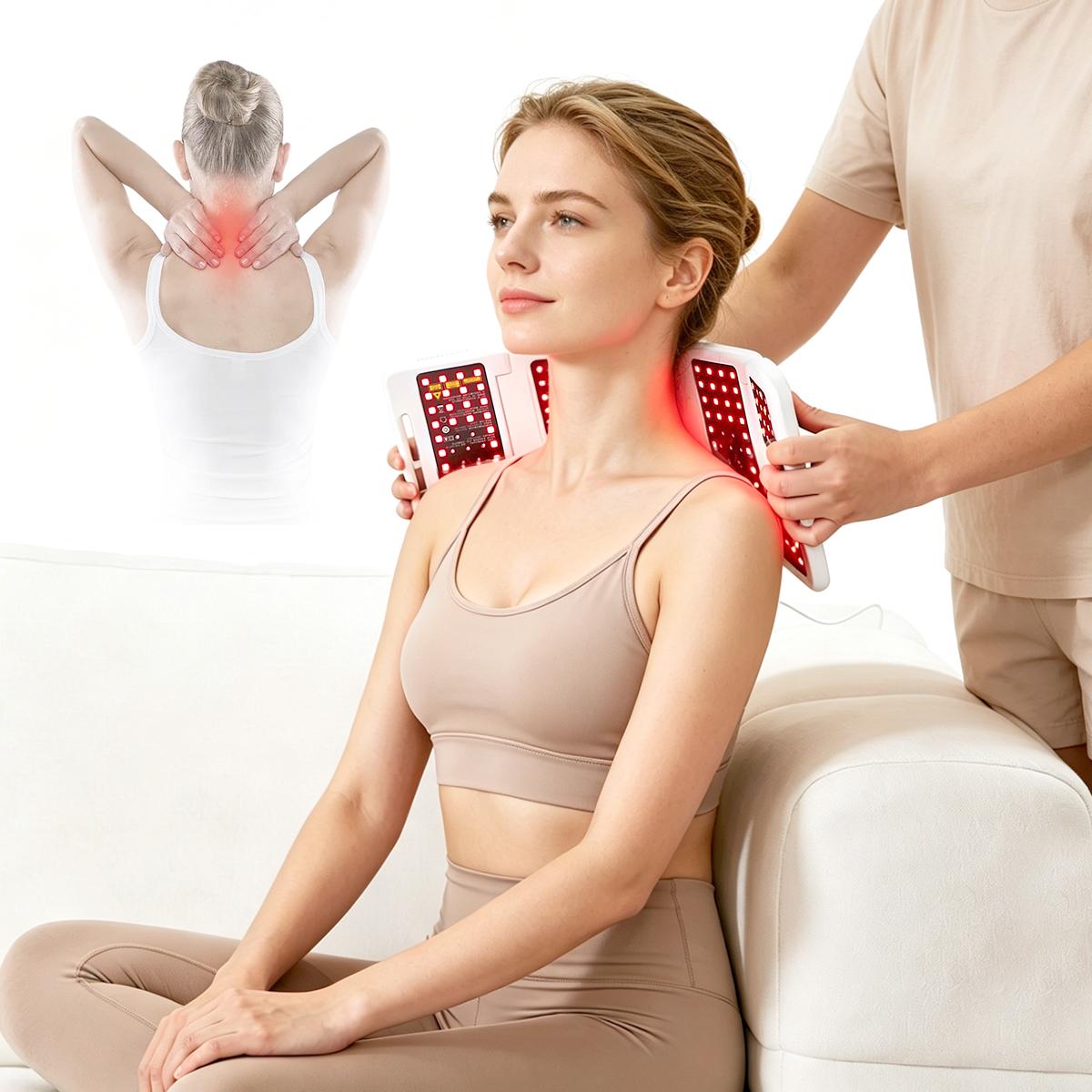
Chronic pain can wear down even the most resilient spirit, and for years, painkillers were the default crutch. But in China, a quiet shift is underway. Patients are increasingly turning their backs on bottles of pills and embracing laser therapy instead. The reasons are deeply personal: the fog of side effects, the fear of dependency, and a longing for a solution that doesn't just mask the ache but actually helps the body mend. For many, it’s about reclaiming control without the numbing haze.
Laser treatment offers something painkillers never could—a targeted, drug-free approach that stimulates the body's own repair mechanisms. Unlike medications that circulate systemically and often bring nausea, drowsiness, or stomach issues, low-level laser therapy focuses light energy precisely where it’s needed, promoting cellular healing and reducing inflammation at the source. The appeal is immediate: a gentle, non-invasive session that leaves you clear-headed, with relief that can build over time rather than simply fading between doses.
There’s also a growing cultural embrace of techniques that align with the body's natural rhythms. In China, where traditional medicine has long emphasized balance and minimal intervention, laser therapy resonates on a philosophical level. It’s seen not as a quick fix but as a partnership with the body’s own healing intelligence. Add in faster recovery times, fewer clinic visits once a course is underway, and the avoidance of opioid-related risks, and the choice becomes clear. For countless patients, the laser doesn't just treat pain—it restores a sense of hope.
The Types of Chronic Pain Lasers Can Quietly Erase
Low-level laser therapy has shown remarkable promise in addressing neuropathic pain, the kind that arises from damaged or misfiring nerves. Conditions like diabetic neuropathy, post-herpetic neuralgia, and carpal tunnel syndrome often leave patients with a relentless burning or stabbing sensation. The gentle photons penetrate deep into tissues, calming overactive nerve fibers and reducing the release of pain-signaling chemicals. It’s not a numbing agent in the traditional sense—rather, it coaxes the nerves back to a quieter, more balanced state.
Inflammatory pain, which flares up in rheumatoid arthritis, tendonitis, or chronic back conditions, also responds well to laser therapy. Here, the light energy works at the cellular level, stimulating mitochondria to produce more ATP and accelerating the repair of damaged tissue. As the cellular metabolism improves, inflammation mediators like prostaglandins decrease, and the stiffness and swelling that characterize these joint and muscle problems begin to ease. This effect often builds over several sessions, giving people back mobility they thought was lost.
Even nociceptive pain from old injuries or deep tissue scarring can be softened by targeted laser treatments. When muscles and ligaments have been repeatedly strained—common in repetitive motion injuries or post-surgical discomfort—the laser helps break the cycle of chronic guarding and secondary muscle tightness. By promoting microcirculation and lymphatic drainage, it quietly erases the lingering ache that pills rarely fully cover, leaving patients with a lasting sense of relief that feels more natural than medicinal.
What to Expect During Your First Laser Session in Shanghai or Beyond
Stepping into a laser clinic for the first time can feel a bit like a leap into the unknown, especially in a bustling city like Shanghai where the aesthetic scene is as diverse as it is advanced. You’ll likely start with a consultation that feels less like a medical interrogation and more like a conversation over tea—practitioners here often blend clinical precision with genuine warmth, taking time to understand your skin’s history, your lifestyle, and even the humidity levels your complexion battles daily. Don’t be surprised if they ask about your last vacation or your go-to skincare products; it’s all part of crafting a session that’s uniquely tailored to you.
When the actual treatment begins, the sensation is rarely what newcomers imagine. Rather than sharp pain, most describe it as a series of quick, warm flicks—like a rubber band snapping gently against the skin, followed by a cooling mist that seems to arrive just when you need it. The machinery might hum softly, and the air often carries a clean, clinical scent that’s oddly reassuring. Meanwhile, the technician will guide you through each step, pausing if you so much as flinch, and adjusting settings in real time. It’s this attention to comfort that sets the tone, whether you’re in a high-tech room overlooking the Lujiazui skyline or a serene studio tucked away in a quieter neighborhood.
Afterward, your skin might show a slight flush, much like the aftermath of a brisk walk in winter, but that usually fades within hours. The clinic will likely send you home with clear, unhurried aftercare instructions—no cryptic pamphlets, just straightforward advice about avoiding direct sun and steering clear of harsh exfoliants for a few days. What lingers long after the session isn’t just the promise of smoother skin, but the feeling of having navigated something thoroughly modern yet deeply human, a little milestone in your own care that just happened to start in Shanghai.
Separating Laser Pain Relief Facts from Common Myths
Laser therapy for pain relief often gets tangled in a web of half-truths and outdated assumptions. One persistent myth is that it works like a magical beam that instantly erases years of chronic discomfort. In reality, low-level laser therapy stimulates cellular repair and reduces inflammation gradually. It's not about zapping pain into oblivion, but rather helping your body's natural healing processes kick into a higher gear over the course of several sessions.
Another misconception is that all lasers are high-powered and risky. The kind used for pain management operates at low intensities, completely unlike surgical lasers. It doesn't generate heat or cause tissue damage. Patients usually feel nothing more than a gentle warmth or tingling sensation. This confusion often leads people to believe it's either unsafe or too aggressive for sensitive areas, when in fact it's one of the gentler modalities available for conditions like arthritis or tendonitis.
Perhaps the most misleading myth is that laser pain relief is just a placebo effect dressed up in technology. Dozens of peer-reviewed studies show measurable changes in tissue repair markers and reduced nerve sensitivity after treatment. Yet because improvement can feel subtle at first—like slightly easier movement or less morning stiffness—some dismiss it. Separating fact from fiction means understanding that real physiological shifts happen beneath the surface, even if they don't always come with a dramatic fanfare.
Where to Find Trustworthy Laser Treatment Centers Across China
Laser treatments have become highly sought-after in China, but locating a reliable center requires a bit of legwork. One of the safest bets is to start with the dermatology or medical aesthetics departments of large public hospitals, especially those affiliated with top-tier medical universities in cities like Beijing, Shanghai, or Guangzhou. These institutions often keep strict procurement standards for devices and employ physicians who have undergone formal training. Their focus isn’t on high-pressure sales but on clinical outcomes, which makes them a trustworthy option even if the environment feels more clinical than luxurious.
Beyond public hospitals, some private medical chains have built solid reputations by prioritizing transparency. Look for clinics that openly display certifications for both their equipment and practitioners—authentic FDA-cleared or CE-marked machines like Candela or Lumenis are a good sign. A trustworthy center will typically offer a face-to-face consultation with the treating doctor (not just a sales consultant before the procedure). They will also be upfront about potential side effects and realistic outcomes rather than promising miracles. Patient reviews on platforms like Dazhong Dianping can be useful, but cross-check them with real before-and-after photo galleries that don’t look overly edited.
Word of mouth remains a powerful tool. Local expat communities, beauty discussion boards such as Xiaohongshu, or recommendations from friends who have had positive experiences can steer you toward hidden gems that aren’t aggressively marketed. Once you’ve shortlisted a few places, pay them a visit and trust your instincts. A clean, professional setup where staff take time to explain the technology and tailor a plan to your skin type is generally a good indicator. Avoid places that push package deals before assessing your needs, and don’t hesitate to walk away if anything feels off.
FAQ
Laser inflammation relief uses low-level laser therapy, often called cold laser, to target pain at the cellular level. The light penetrates the skin without heat, energizing cells to reduce swelling, boost circulation, and kickstart the body's natural repair processes. It's a gentle, non-invasive option that works by dialing down inflammatory markers and encouraging tissue regeneration.
China has quietly built a reputation for blending cutting-edge medical tech with surprisingly affordable care. Many urban hospitals and private clinics now offer laser pain treatments using equipment that rivals what you'd find in the West, but at a fraction of the cost. Add in short wait times and a growing number of English-speaking specialists, and it's easy to see why more international patients are heading there for relief.
It's incredibly versatile—people turn to laser therapy for everything from stubborn arthritis and chronic lower back pain to tennis elbow, frozen shoulder, and even nerve-related discomfort. Acute sports injuries heal faster with it, and some find it helps calm fibromyalgia flares. Essentially, if inflammation plays a role, laser therapy might help.
There's no magic number because every body responds differently, but many notice a real shift after 6 to 10 sessions. Acute issues like a freshly sprained ankle might clear up in just 3 or 4 visits, while deep-seated arthritis could require a longer course. Most clinics space treatments out two to three times a week initially, then taper down as you improve.
It's widely considered one of the safest pain management tools available, especially when it's in the hands of someone who really knows the equipment. The most common 'side effect' is a faint warmth or tingling during the session, and occasionally the skin might look a little pink afterward—that fades quickly. Serious complications are extremely rare as long as the device is properly calibrated and worn-out probes are replaced.
Pain pills mainly mask the problem and can come with a list of side effects, whereas laser therapy aims to actually calm the source of the inflammation. It doesn't demand the downtime of surgery, and you can usually jump straight back into your daily routine. Many people pair it with physio or massage to get the best of both worlds—hands-on care plus the deep, cellular repair triggered by the light.
Start by checking if the doctors and therapists hold credentials recognized internationally—that alone can save you a lot of guesswork. Take a close look at their machines: are they well-known brands with a track record? Real patient stories, not just polished testimonials, are gold; try forums or expat groups for unfiltered feedback. A clinic that lays out a clear, tailored plan with honest pricing upfront is usually a safer bet than one promising overnight miracles.
Absolutely, and it's becoming a go-to for people who want to minimize painkillers after surgery. By gently stimulating the area, it helps drain excess fluid, keeps scar tissue from getting too thick, and nudges the healing timeline along. Several orthopedic surgeons in China now recommend a short course of laser sessions post-op to get patients back on their feet more comfortably.
Conclusion
In China, low-level laser therapy has emerged as a refined approach to calming inflammation without the reliance on pharmaceuticals. Unlike anti-inflammatory drugs that blanket the body with systemic effects, cold lasers penetrate the skin at specific wavelengths, targeting swollen tissues and energizing cellular repair. This photobiomodulation gently nudges mitochondria to ramp up ATP production, accelerating the healing cascade while dialing down pro-inflammatory markers. Many patients—from office workers with persistent wrist pain to elderly individuals combating arthritic knees—are gravitating toward this method because it sidesteps the gastrointestinal and dependency risks tied to long-term painkiller use. The technology quietly erases a wide spectrum of chronic discomfort, including fibromyalgia, tendonitis, and nerve-related pain, often providing relief where conventional treatments have stalled.
Walking into a laser session at a reputable center in Shanghai or Chengdu, one can expect a calm, clinical environment rather than a high-tech spectacle. A typical appointment starts with a brief assessment, followed by the placement of a handheld or cluster probe over the affected area. There’s no heat, no vibration—just a subtle sensation of light pressure that lasts anywhere from a few minutes to half an hour, depending on the condition’s depth and severity. Despite lingering myths that laser therapy is merely a placebo or harmful radiation, evidence and patient outcomes are clarifying the picture: medical-grade cold lasers operate at non-ionizing, tissue-safe parameters, and their effects are measurable in reduced swelling and improved mobility. Across China, trustworthy clinics often display certifications from national health authorities and employ practitioners with targeted training, making it easier to separate genuine expertise from exaggerated claims. By blending modern optics with traditional Chinese medicine’s emphasis on holistic balance, some centers offer a uniquely integrative path to managing pain—one that finally puts inflammation in its place without a prescription bottle in sight.
Contact Us
Contact Person: Leon Yi
Email: [email protected]
Tel/WhatsApp: +86 17363316873
Website: https://zzgt.en.alibaba.com/