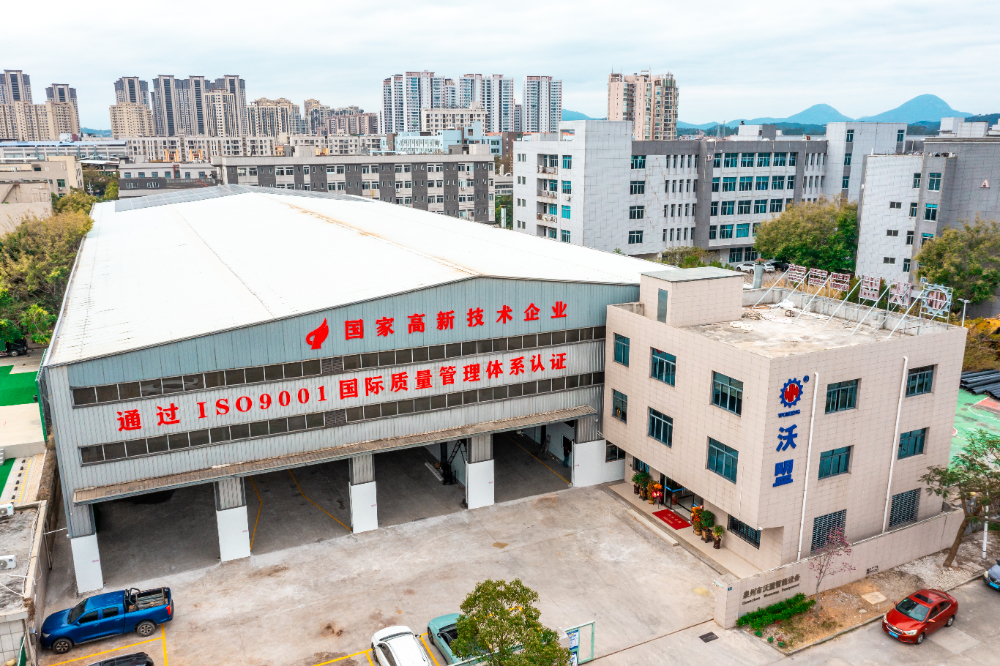

Leading Sanitary Pad Production Line Manufacturer for High-Quality Hygiene Solutions
2026-03-12
In the world of personal hygiene manufacturing, quality and efficiency are non-negotiable. At Womeng, we stand at the forefront as a leading producer of sanitary pad production lines, dedicated to crafting high-quality hygiene solutions that meet the highest standards. Our commitment to innovation and excellence ensures that every product we design not only performs flawlessly but also addresses the evolving needs of the industry. By integrating cutting-edge technology with a deep understanding of hygiene challenges, we empower our clients to deliver superior products that consumers trust. As you delve into this blog, you'll discover how Womeng’s expertise can transform your production processes and elevate your brand in the competitive hygiene market. Let's explore the future of sanitary manufacturing together.
Advanced Production Techniques for Superior Sanitary Pad Quality
Imagine stepping into a modern sanitary pad manufacturing facility where precision meets innovation at every turn. The journey begins with raw material selection, where only the finest, hypoallergenic non-woven fabrics and super-absorbent polymers are sourced, ensuring a soft, breathable surface that minimizes irritation. Advanced automation systems, such as robotic arms equipped with vision sensors, meticulously align layers to eliminate gaps and folds, a process that prevents leaks and enhances comfort. This seamless integration of materials, often monitored in real-time by AI algorithms, guarantees consistent thickness and absorbency, transforming everyday products into reliable essentials for women's health.
Beyond initial assembly, cutting-edge techniques like ultrasonic bonding replace traditional adhesives, creating stronger, chemical-free seals that withstand movement without compromising flexibility. Temperature-controlled environments regulate the curing of absorbent cores, optimizing fluid distribution to lock moisture away from the skin, a feature that sets premium pads apart in performance. Innovations in embossing patterns not only add a discreet aesthetic but also improve airflow, reducing dampness and odor. By leveraging these methods, manufacturers can tailor pads to diverse needs, from overnight protection to active lifestyles, ensuring each product delivers superior dryness and confidence.
Quality assurance is woven into every stage through rigorous testing protocols, such as simulated usage trials that mimic real-life conditions to verify durability and leakage resistance. Environmental consciousness also plays a role, with water-based inks and biodegradable components being incorporated without sacrificing effectiveness. This holistic approach, blending technological prowess with user-centric design, results in sanitary pads that are not just functional but transformative, offering unparalleled comfort and peace of mind. Ultimately, these advanced techniques elevate the standard of feminine hygiene, making excellence an everyday expectation.
Innovative Hygiene Solutions Tailored to Global Women's Needs
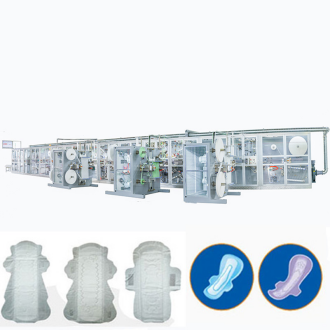
At the heart of our mission lies a commitment to redefining women's hygiene through cutting-edge solutions that address diverse global needs. We've developed advanced products that not only enhance comfort but also prioritize sustainability and accessibility, ensuring women everywhere can lead healthier lives. By integrating feedback from communities worldwide, we tailor our offerings to tackle specific challenges, from climate variations to cultural preferences, making hygiene more inclusive and effective.
Our innovative approach goes beyond traditional products, incorporating smart technology and eco-friendly materials to create hygiene solutions that are both practical and future-proof. For instance, we've introduced biodegradable options that reduce environmental impact while maintaining high performance, catering to women's growing demand for sustainable choices. These adaptations help bridge gaps in healthcare access and empower women to make informed decisions about their well-being.
Through continuous research and collaboration with health experts, we ensure our solutions evolve alongside global trends and women's changing needs. By focusing on customization and user-centric design, we foster a deeper connection with our audience, turning everyday hygiene into a personalized and empowering experience. This dedication to innovation sets us apart, driving a positive impact on women's health worldwide.
Sustainable Manufacturing Practices in Feminine Care Production
When it comes to producing feminine care products, sustainable manufacturing isn't just a trendy buzzword—it's a critical shift toward reducing environmental impact while meeting consumer demand for eco-friendly options. Many companies are now rethinking their supply chains, from sourcing biodegradable materials like organic cotton and bamboo to minimizing water and energy usage in factories. For instance, some have adopted closed-loop systems that recycle water and reduce chemical runoff, ensuring that production processes align with broader environmental goals. This approach not only helps protect ecosystems but also resonates with a growing segment of consumers who prioritize sustainability in their purchasing decisions.
Beyond material choices, innovation in packaging plays a key role in sustainable feminine care manufacturing. Brands are increasingly moving away from single-use plastics, instead opting for compostable wrappers or reusable containers made from recycled materials. By designing products with end-of-life in mind, manufacturers can significantly cut down on landfill waste. Additionally, some companies are investing in renewable energy sources to power their facilities, further shrinking their carbon footprint. These efforts demonstrate a commitment to long-term ecological health, making sustainability a core part of the production narrative rather than an afterthought.
Another aspect often overlooked is the social dimension of sustainable practices, which includes ensuring fair labor conditions and supporting local communities where materials are sourced. By partnering with ethically certified suppliers and implementing transparent production methods, manufacturers can build trust with consumers and foster a positive brand image. This holistic view of sustainability—combining environmental, economic, and social factors—sets apart forward-thinking companies in the feminine care industry, paving the way for a more responsible and resilient future.
Cutting-Edge Technology Behind Efficient Pad Manufacturing Lines
Modern pad manufacturing lines have advanced significantly from earlier methods, integrating technologies that enhance both precision and speed. Key innovations like laser-cutting systems allow for intricate shaping and sizing with minimal waste, while automated conveyor belts and robotic arms streamline assembly processes. These systems often incorporate real-time monitoring through sensors, ensuring consistent quality and reducing manual intervention. By adopting such technologies, factories can produce a higher volume of pads while maintaining strict standards for each unit, leading to overall greater efficiency in production cycles.
Another transformative aspect lies in the use of advanced materials and adhesive applications. High-speed applicators with precise control mechanisms enable uniform distribution of adhesives and layers, which is crucial for product durability and comfort. Additionally, innovations in non-woven fabric production, such as ultrasonic bonding, reduce reliance on chemical binders and improve environmental sustainability. This not only speeds up the manufacturing process but also results in pads that are more breathable and skin-friendly, meeting modern consumer demands for both performance and eco-consciousness.
Digital integration further elevates efficiency through data analytics and AI-driven optimization. Manufacturing lines equipped with IoT devices collect vast amounts of data on machine performance, material usage, and output rates, allowing for predictive maintenance and adaptive adjustments. This data-centric approach minimizes downtime and enhances flexibility, enabling quick shifts between different product types or custom orders. Ultimately, these cutting-edge technologies converge to create agile production environments that not only boost output but also foster innovation in pad design and functionality.
Customizable Production Systems for Diverse Hygiene Products
In today's competitive hygiene product market, manufacturers are increasingly turning to customizable production systems to meet diverse consumer needs efficiently. These systems allow for flexible adjustments in production lines, enabling quick switches between different product types, such as wipes, diapers, and sanitary napkins, without extensive downtime. By integrating modular components and advanced automation, companies can scale operations based on demand, reduce waste through precise material usage, and enhance overall production agility. This adaptability not only boosts operational efficiency but also supports innovation in developing specialized hygiene solutions tailored to various demographics and preferences.
Beyond flexibility, customizable systems play a crucial role in ensuring product quality and consistency across diverse hygiene items. Sophisticated control mechanisms and real-time monitoring tools embedded within these systems help maintain stringent hygiene standards, crucial for safety-sensitive products. For instance, sensors and AI-driven analytics can detect irregularities in production, allowing for immediate corrections to prevent defects. This focus on reliability enables manufacturers to build trust with consumers while adhering to regulatory requirements, ultimately leading to higher customer satisfaction and brand loyalty in a crowded marketplace.
Moreover, the integration of eco-friendly practices into these production systems is becoming a key differentiator. Customizable setups can incorporate sustainable materials and energy-efficient processes, reducing environmental impact without compromising output. By leveraging renewable resources and minimizing carbon footprints, manufacturers appeal to environmentally conscious consumers and align with global sustainability goals. As the hygiene industry evolves, these systems not only drive economic growth but also contribute to a greener future, showcasing how technological advancements can harmonize productivity with planetary health.
Ensuring Reliability and Safety in Sanitary Pad Production Processes
Reliability and safety in sanitary pad production are critical concerns that require meticulous attention at every step of the process. Manufacturers implement comprehensive quality control systems, including raw material inspections and strict hygiene protocols, to prevent contamination and ensure product consistency. This focus on precision helps to build consumer trust and compliance with international health standards.
In addition to quality checks, advanced technologies like automated monitoring and real-time data analytics play a key role in detecting potential issues early. By tracking production conditions and material properties, companies can quickly address deviations, reducing waste and minimizing risks associated with defects. This proactive approach enhances both product safety and operational efficiency.
Beyond technical measures, employee training and ethical sourcing are integral to safety. Workers receive regular instruction on handling sensitive materials, while suppliers are vetted for adherence to safety and environmental regulations. These holistic practices not only ensure reliability but also reflect a commitment to social responsibility in the industry.
FAQ
As a top manufacturer, we specialize in advanced production lines that ensure high-quality hygiene products through innovative engineering and precision machinery.
Our equipment integrates cutting-edge automation and eco-friendly materials, delivering superior efficiency and consistent product quality that meets global standards.
We use robust components and rigorous testing protocols, backed by comprehensive customer support and maintenance services for long-term performance.
Our versatile lines are designed for various sanitary pads, including ultra-thin, overnight, and organic options, adapting to diverse market needs.
Yes, we offer tailored solutions with flexible configurations to optimize output, reduce waste, and align with your production goals.
We offer training, technical assistance, and spare parts supply to ensure smooth operations and minimize downtime for our clients.
Our designs focus on energy efficiency and reduced material usage, helping manufacturers lower their environmental impact while maintaining top-tier hygiene standards.
Conclusion
As a leading sanitary pad production line manufacturer, the company excels in delivering high-quality hygiene solutions through advanced production techniques that ensure superior product quality. By integrating cutting-edge technology into efficient manufacturing lines, they enable reliable and safe production processes, meeting stringent standards for feminine care. Their commitment to sustainable manufacturing practices not only reduces environmental impact but also aligns with global trends toward eco-friendly solutions. This holistic approach, combining innovation with operational excellence, positions them as a trusted partner in the hygiene industry.
Furthermore, the manufacturer offers customizable production systems designed to cater to diverse hygiene products, allowing for flexibility in addressing varied market demands. Their innovative solutions are tailored to global women's needs, emphasizing adaptability and inclusivity in product development. By focusing on both technological advancement and user-centric design, they create value beyond mere production, fostering long-term partnerships and enhancing brand reputation. This dedication to quality, sustainability, and customization ensures their offerings stand out in a competitive landscape, driving progress in feminine care worldwide.
Contact Us
Contact Person: Jessie Lai
Email: [email protected]
Tel/WhatsApp: 86-188594442931
Website: https://www.wm-machinery.com