

OEM Kids Socks: Ultimate Guide to Custom Sock Manufacturing for Children's Brands
2026-07-18
When it comes to outfitting little feet, quality and safety aren't just priorities—they're non-negotiables. But how can children's brands consistently deliver standout sock collections without getting tangled in production headaches? Enter the world of OEM kids socks, where creativity meets precision manufacturing. In this ultimate guide, we’ll walk you through everything you need to know about custom sock production—from design flexibility and material selection to safety standards and scaling your line. And when you’re ready to turn ideas into impossibly cozy reality, trusted manufacturers like KINDWAY make the process seamless, so you can focus on what matters most: making tiny toes happy.
Why Custom Socks Are a Smart Move for Kids’ Brands Today
Kids’ fashion isn’t just about looking cute anymore—it’s about personality, comfort, and pieces that can keep up with playground adventures. Custom socks slip perfectly into this shift, offering a functional yet playful canvas that speaks a child’s language. Whether it’s dinosaurs peeking out from cuffs or glittery unicorns, socks become a tiny billboard for self-expression, making brands relevant in a kid’s everyday world.
From a business lens, personalized socks unlock a loyalty loop that few other accessories can match. Parents notice when their little ones beg to wear the same “dragon feet” day after day, and that repeat enthusiasm builds brand stickiness early. Plus, the low production cost relative to other custom apparel means brands can experiment with seasonal drops, character collaborations, or even name-printed pairs without blowing the budget—while still nailing that “must-have” factor on the school run.
Then there’s the giftability angle. Custom socks transcend typical merch because they’re useful, universally sized, and strike the right chord for nervous grandparents or party-goers hunting for something both fun and sensible. A well-designed sock set becomes a talking point, creating word-of-mouth moments as kids show them off to friends. For brands, that’s the kind of organic buzz that no contrived campaign can replicate—and it starts with a simple pair of socks that feels special in a child’s hands.
Understanding the Basics of OEM Kids’ Sock Manufacturing
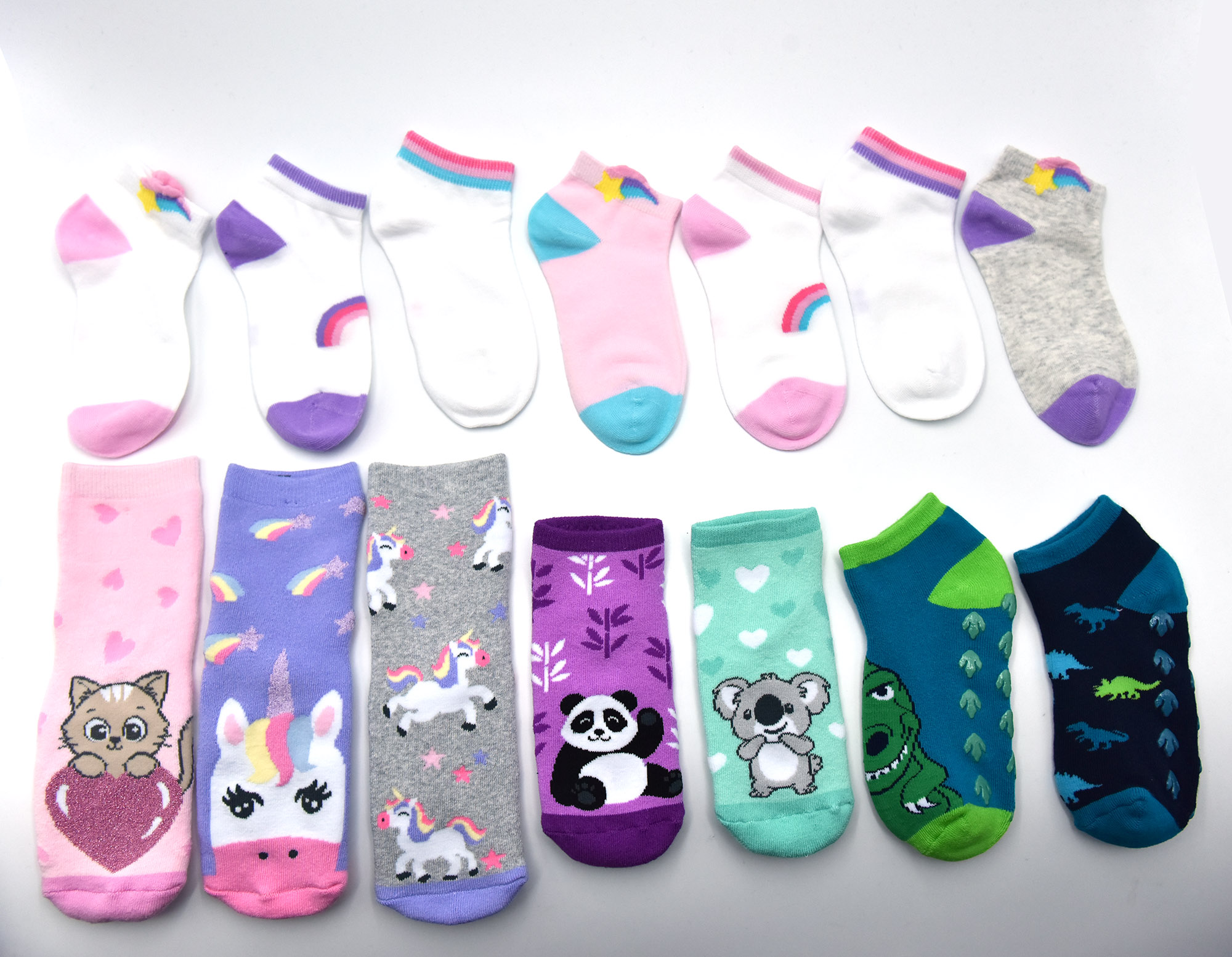
When stepping into OEM kids' sock production, the collaboration typically starts with a brand's concept—whether it's a detailed tech pack or just a rough idea about colors, patterns, and intended age group. The factory then translates that into a workable design, suggesting suitable yarns, knitting techniques, and size ranges that align with children's active lifestyles. Because kids' skin is more sensitive, material choices often lean toward combed cotton, organic blends, or bamboo fibers that offer softness and breathability without adding unnecessary chemical finishes.
The manufacturing flow itself involves several distinct stages: yarn spinning (if done in-house), knitting on circular machines to form tubes, toe closing through linking or seamless methods, dyeing and finishing, and finally boarding to set the shape and size. For children's socks, extra attention goes into the toe seam—many factories now use hand-linked or automatic fine-seam techniques to prevent irritation on little toes. Printing or embroidery, if required, is applied with non-toxic, colorfast inks that can withstand frequent washing.
Quality checks are woven throughout the process, not just at the end. Inspectors monitor tension and elasticity during knitting, check for loose threads after toe closing, and perform pull tests on finished pairs. A crucial final step involves compliance testing for harmful substances—since children's products face stricter regulations, reliable manufacturers routinely send samples to third-party labs to ensure they meet standards like OEKO-TEX or CPSIA, giving brands peace of mind before bulk shipment.
Selecting Safe and Comfortable Materials for Little Feet
When it comes to tiny toes, the feel of the material against the skin matters more than anything else. Soft, breathable fabrics like organic cotton or gentle merino wool let air circulate freely, helping to prevent that sticky, sweaty feeling that can lead to irritation. These natural fibers have a way of cradling the foot without pinching or rubbing, making those first wobbly steps a little more comfortable.
Durability doesn’t have to come at the cost of comfort, and you certainly don’t need stiff, synthetic materials that trap moisture. Look for flexible soles crafted from lightweight, non-toxic rubber or supple leather that bends with every movement. The goal is to mimic the sensation of bare feet while still providing a protective barrier—anything too rigid can actually hinder natural foot development and balance.
Pay close attention to linings and finishes because a shoe is only as safe as what’s hidden inside. Hypoallergenic materials and water-based adhesives are your allies in avoiding unnecessary chemicals. A simple feel test can tell you a lot: if the interior seams are well-constructed and the fabric is free of harsh dyes, you’re on the right track. Little feet spend countless hours exploring, so giving them a head start with gentle, carefully chosen materials goes a long way.
Adding Personality with Creative Designs and Custom Details
A space without personality feels like a blank page nobody bothered to write on. Creative designs change that—they turn the ordinary into something that actually reflects who you are. It’s not about following trends; it’s about letting bold colors, unexpected textures, or a quirky piece of art do the talking. When you break away from the catalog look, every corner starts to hum with your own story.
Custom details are where the magic really happens. Think hand-painted tiles in the kitchen, a reclaimed wood shelf shaped by a local craftsperson, or even just a gallery wall of travel sketches you framed yourself. These aren’t mass-produced items that you’ll see in a dozen other homes—they’re choices that reveal your quirks and passions. It might be the vintage door knocker you found at a flea market or the wallpaper with a pattern that reminds you of your grandmother’s garden. Small, deliberate decisions like these weave warmth into every room.
What you end up with is a space that feels distinctly yours—not staged, not sterile. The personality shines through in the mix of modern and old, sleek and rough, planned and spontaneous. It’s the kind of environment that makes guests pause and smile, because it’s not just a room; it’s a glimpse into your life. That’s the real reward of putting creative designs and custom details at the heart of your home: it becomes a place that hugs back.
Navigating Production Steps from Sampling to Final Delivery
Getting from initial samples to final shipment takes more than a checklist—it’s a rhythm you build with your factory. Early sampling often reveals where communication gaps hide: a stitch tension that’s slightly off, a dye lot that shifts under different lighting. Rather than rushing toward bulk, treat these rounds as a shared vocabulary. Each revision pins down not just a spec, but an understanding. Good partners use this time to clarify how your standard looks in their hands, not just on your tech pack.
As you move into production, the real trick is orchestration. Fabric arrives late, a cutting table jams, a trim gets stuck in customs. The timeline isn’t a straight line, but a series of interdependent events. Here, short daily check-ins often beat formal inspection reports, because they catch hesitation before it becomes a problem. You’re not just monitoring—you’re enabling the floor to flag issues early without fear of blame. That subtle shift in dynamic can cut days off a schedule.
Final delivery is rarely a single date on a calendar. Pieces might leave in stages, with some container-ready while others wait for a last-minute re-press. The goal is to manage expectations on both sides so that partial shipments don’t feel like failures. When you’ve built a process where sampling was a dialogue and production was transparent, the handover becomes almost anti-climactic—a natural close rather than a scramble. What you’ve really delivered isn’t just goods, but a repeatable path for the next order.
Finding a Reliable Manufacturing Partner for Long-Term Success
A dependable manufacturing partner does more than just produce goods—it becomes an extension of your own team. The right fit brings a blend of technical expertise, consistent quality control, and a genuine willingness to adapt as your business evolves. Instead of chasing the lowest bid, look for a partner who asks thoughtful questions about your production goals, suggests material or process improvements, and can provide transparent timelines. These early conversations often reveal whether you’re dealing with a vendor or a true collaborator.
Long-term success hinges on a partner’s ability to grow with you. That means evaluating their supply chain resilience, capacity for scaling, and track record in handling unforeseen disruptions. A manufacturer that invests in continuous employee training, maintains modern equipment, and operates with clear ethical standards is more likely to deliver consistent results year after year. Visiting their facility—even virtually—can uncover details that polished sales pitches might hide, from floor organization to the manner in which workers interact with management.
Trust is built through small, measurable commitments before scaling up. Start with a trial order to gauge communication patterns, problem-solving responsiveness, and real-world lead times. Pay attention to how they handle mistakes: a factory that acknowledges errors promptly and proposes solutions without defensiveness is worth its weight in gold. Ultimately, the goal is not a one-time transaction but a relationship where both parties feel invested in each other’s success, sharing insights that drive product improvement and market adaptability over the years.
FAQ
OEM stands for Original Equipment Manufacturer – it means a factory makes socks tailored to your brand’s unique requirements. Instead of choosing from existing stock, you control every detail: yarn type, patterns, sizing, and even labeling and packaging. It’s essentially a private-label partnership where the final product feels entirely yours, not just another generic item from a wholesaler.
Start by sketching out your vision – think about the age range, preferred colors, and any characters or motifs you want. Then, consider functionality: kids pull, stretch, and play hard. You'll want to pick durable materials with some stretch, and maybe add reinforced toes and heels. Next, reach out to manufacturers with your concept and they’ll guide you through turning sketches into tech packs with precise measurements and material breakdowns.
Natural fibers like organic cotton and bamboo are top picks because they’re breathable, hypoallergenic, and gentle on sensitive skin. For colder climates, merino wool offers warmth without irritation. Just as important is what you avoid – stay away from harsh dyes and chemical finishes. Always ask suppliers for OEKO-TEX or similar certifications to confirm the socks are free from harmful substances.
Absolutely. Different markets have strict rules. In the US, the CPSIA requires testing for lead and phthalates, and socks must also comply with flammability standards like 16 CFR Part 1610. The EU has its own REACH regulations and EN 71-3 for chemical migration. If you sell in multiple regions, your manufacturer should be able to provide lab test reports that cover all relevant requirements. Don’t overlook labeling rules either – fiber content and care instructions are mandatory.
MOQs usually start around 500-1000 pairs per design, but this varies wildly by factory. Some specialized kids' sock manufacturers might accept smaller runs if you’re using stock yarns or simpler designs. Negotiation is often possible, especially if you commit to repeat orders or are willing to pay a small surcharge. If you’re just starting out, look for manufacturers that offer low-MOQ programs or sample runs to test the market before scaling up.
The per-unit price can range from $1 to $5 or more depending on complexity. Main cost drivers include material quality (organic vs conventional), knitting technique (jacquard patterns cost more), added features like non-slip grips, and packaging. Also, the more intricate the design, the higher the setup fees. Getting multiple quotes and being flexible on lead times can help you find a sweet spot between quality and budget.
One big mistake is choosing ultra-cheap materials that pill or lose shape after a few washes – parents notice and won’t reorder. Another is overlooking size gradation; kids grow fast, so precise sizing across ages is critical. Ignoring packaging safety (like avoiding plastic bag suffocation warnings) can also land you in legal trouble. To dodge these, always request physical samples before full production and do a wear test with real children if possible.
Look beyond the Alibaba profile. Ask for references from other children’s brands they’ve worked with. Check if they have in-house design support and how quickly they respond to queries. Visit the factory if you can, or at least do a video tour to see working conditions and quality control processes. A good partner will proactively suggest improvements to your design for safety or durability, not just take your order silently.
Conclusion
For children’s brands, custom socks have evolved from a basic accessory into a strategic brand asset. Parents today place enormous trust in the products they choose for their kids, so every detail matters. OEM manufacturing allows brands to design socks that are not only adorable and on-trend but also crafted with the delicate needs of growing feet in mind. From breathable organic cotton blends to seamless toe constructions that prevent irritation, the right material choices can set a brand apart. Beyond comfort, safety is non-negotiable: using certified dyes, ensuring proper elasticity without restricting circulation, and avoiding small embellishments that could pose choking hazards are all core considerations. When brands prioritize these elements, they create socks that parents feel good about buying and children love to wear, fostering loyalty from the very first pair.
The journey from concept to finished product requires a well-orchestrated process that balances creativity with technical precision. It starts with turning playful ideas into detailed tech packs, selecting the right yarns and knitting techniques to bring designs to life—whether it’s a witty slogan, a beloved character, or a custom jacquard pattern. Working closely with an experienced OEM partner streamlines the sampling stage, where prototypes are refined until every stitch and color is perfect. Production must adhere to strict quality controls, from yarn strength to print durability, and packaging can be tailored to reflect your brand’s story. Finally, logistics and timely delivery ensure that your retail or e-commerce shelves stay stocked. Choosing a manufacturing partner who understands children’s product regulations, offers transparent communication, and is committed to ethical practices is the cornerstone of building a sustainable and successful sock line that grows with your brand.
Contact Us
Contact Person: Alfred Lee
Email: [email protected]
Tel/WhatsApp: +86 13806701496
Website: https://www.hainingsocks.com/