

Prefabricated Fence Molds: Top Recommendations for Your Next Project
2026-07-06
Planning a fencing project and tired of inconsistent, labor-intensive installations? Prefabricated fence molds are transforming the game—offering speed, precision, and long-term durability. Whether you’re tackling a residential boundary, highway barrier, or industrial security line, choosing the right mold can make or break your timeline and budget. At LugongMachinery, we’ve seen how the right engineering turns a good idea into a flawless concrete fence. Before we dive into our top picks, let’s cut through the noise and focus on what truly matters for your next build.
Why Prefabricated Fence Molds Are a Practical Choice
Time on a construction site rarely stretches as far as you'd like. Prefabricated fence molds step in to shrink the timeline without cutting corners. Instead of building wooden forms on the ground, measuring and remeasuring under shifting weather, you bring a ready-made system that clicks into place. It's straightforward: assemble the mold, pour the concrete, and move on while the section cures. Less scrambling for materials and fewer misaligned panels mean your crew can focus on the next task instead of backtracking to fix preventable mistakes.
Consistency is the quiet advantage that doesn't get enough credit. With standard pour-in-place methods, slight variations are almost guaranteed—a slightly tilted post here, a wavering line there. Prefabricated molds come with engineered precision baked in. Every panel matches the last because the form dictates the outcome, not the steadiness of the crew on a long afternoon. For long runs of fencing, that uniformity translates into a clean, professional finish that looks intentional rather than patched together. It also removes the guesswork from achieving a uniform texture, whether you're after a smooth face or a wood-grain effect.
Durability of the mold itself often gets overlooked until you’ve gone through a few cycles of traditional formwork that warps, splits, or takes a beating from the concrete. Quality prefabricated molds—usually tough fiberglass or heavy-duty ABS—hold their shape pour after pour, saving you from repeatedly building fresh forms. They resist the abrasive nature of wet concrete and release cleanly with minimal effort, reducing the wear and tear on your tools and your team. Over the life of a project, that resilience means fewer replacements and a lower chance of downtime because the form gave out at the wrong moment.
Comparing Steel, Plastic, and Composite Molds
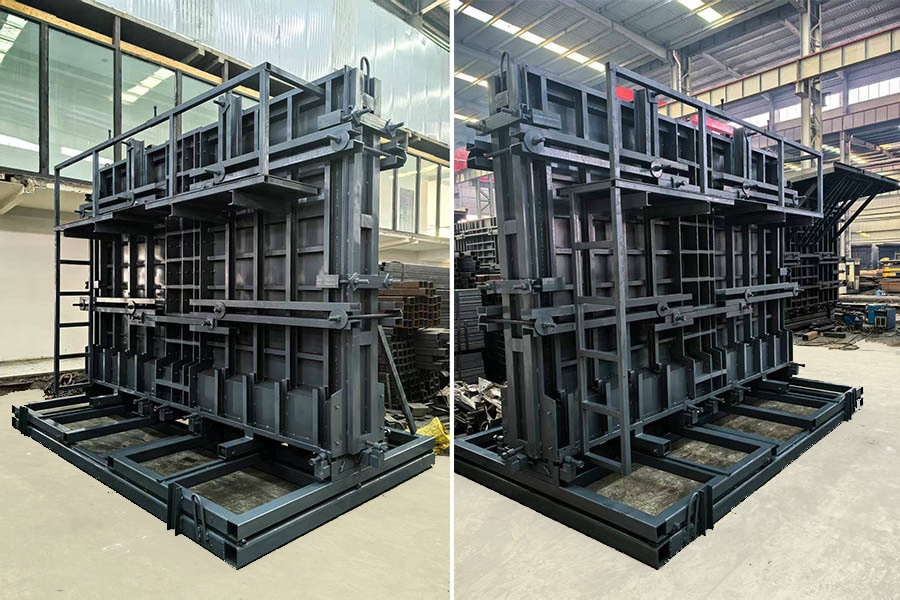
When you line up steel, plastic, and composite molds side by side, the first thing that jumps out is how their lifespans differ. Steel is the heavyweight champion of longevity, often surviving millions of cycles without flinching—perfect for mass production where stopping the line means bleeding money. Plastic molds, on the other hand, start to wear after a few thousand shots, making them a fleeting option for short runs or prototypes. Composite molds land somewhere in the middle, blending materials to push past plastic’s limitations while still falling short of steel’s endurance. The real question is how many parts you actually need before the mold’s fatigue sets in and eats into your margins.
Thermal behavior is another arena where these materials clash. Steel soaks up heat like a workhorse, spreading it evenly to keep cycles tight and part quality consistent—ideal for resins that demand precise cooling. Plastic molds, being insulators by nature, trap heat near the surface, which can warp thin walls or extend cycle times when you’re racing the clock. Composite molds try to bridge this gap by adding thermally conductive fillers, but they rarely achieve the stable, predictable cooling that seasoned operators rely on. A misstep here doesn’t just slow things down; it quietly twists dimensions in ways that haunt assembly lines later.
Upfront cost tends to hijack every conversation, but it’s the hidden expenses that truly separate these options. Steel demands a steep initial investment—machining, polishing, hardening—but the per-part price plummets over time, making it a tortoise in a race where volume decides the winner. Plastic molds are cheap to cut and quick to turn around, yet their fragility means you might order two or three backups before the project ends. Composite molds flirt with the middle ground, offering better surface finish and detail than raw plastic without the long lead times of steel, but their raw material costs keep accountants up at night. Often, the most expensive mold is the one that forces you to pause production for emergency repairs.
Getting Precise Results From Adjustable Designs
Adjustable designs have changed the way we approach precision in many fields, but unlocking their full potential requires a clear understanding of how to fine-tune variables without introducing unintended trade-offs. It’s not just about tweaking settings randomly; instead, it’s a deliberate process of identifying which parameters truly influence outcomes and adjusting them in a controlled manner. When done right, this approach can transform an average design into one that yields consistently sharp, reliable results—whether you’re working on a physical prototype, a software interface, or a complex engineering system.
One common pitfall is assuming that more adjustability automatically means better results. In reality, excessive flexibility can lead to confusion, inefficiency, or even degraded performance if the user doesn’t fully grasp the interplay between settings. The key is to embed intelligent constraints or guidance within the adjustable elements—think of it as building a framework where each adjustment has a clear purpose and predictable effect. By testing iteratively and documenting how each change shifts the output, you gradually build a mental map of the design’s behavior, allowing you to zero in on the sweet spot with far less guesswork.
Ultimately, getting precise results from adjustable designs is as much about the process as it is about the design itself. Start by clarifying what “precision” means for your specific context—this might involve tighter tolerances, faster response times, or more consistent outputs under varying conditions. Then, use that definition to prioritize which adjustments are worth exploring. Over time, this mindset becomes second nature, empowering you to create designs that not only adapt to different needs but do so with a level of accuracy that feels almost intuitive.
Simple Steps to Extend Your Mold’s Working Life
A mold is a precision tool that deserves careful treatment. The first line of defense against premature wear is consistent, thorough cleaning after each production cycle. Residue from plastics, release agents, or processing oils can build up in vents and crevices, causing corrosion or uneven clamping. Use brushes and solvents approved for your mold material, and pay special attention to areas that are often overlooked, such as ejector pins and cooling channels. This simple habit prevents small issues from snowballing into costly repairs.
Temperature swings and improper storage quietly shorten a mold's lifespan. When the mold isn't running, keep it in a dry, climate-controlled environment to avoid rust and thermal shock. During operation, respect the recommended temperature ranges for both the tool and the material being molded. Rapid heating or cooling can create stress cracks over time. If you're pausing production for more than a few hours, apply a protective coating on critical surfaces and loosen any clamped sections to relieve tension.
Don't overlook the fluids that keep everything moving. Hydraulic oils and greases break down, picking up contaminants that can scour sliding parts. Stick to a maintenance schedule that replaces these fluids before they degrade, and filter them whenever possible. Likewise, inspect seals and O-rings for signs of fatigue—they are inexpensive to swap out but can cause major damage if they fail. Train your team to listen for unusual sounds or erratic movements during cycle operation; early detection of a dry bearing or misalignment often saves the mold from a catastrophic failure.
Avoiding the Downfalls of Low-Cost Molds
Choosing a budget-friendly mold often feels like a smart win early on—the upfront numbers are hard to argue with. The trouble creeps in later, when surface finishes degrade faster than expected or tolerances start drifting after only a few thousand cycles. You might catch yourself nursing a mold along with constant tweaks and polishing, burning through the initial savings in labor and downtime. The real cost isn’t in the steel; it’s in the hours your team spends keeping a mediocre tool alive.
A better approach begins with understanding which corners are too sharp to cut. Swapping to a higher-grade steel in high-wear slides and cores, or insisting on simpler venting that doesn’t rely on fragile inserts, can dramatically extend tool life without blowing the budget. It pays to get your moldmaker to walk you through the trade-offs transparently—if they can’t clearly explain where the savings come from, the silence often hides the compromises that’ll haunt you later.
Design collaboration erases most of the risk. When you align part geometry with molding realities early, you eliminate tricky undercuts, overly deep ribs, or extreme thickness variations that drive mold complexity and strain. Pair that with a preventive maintenance schedule that gets followed religiously, and a low-cost mold stops being a gamble. It becomes a calculated, short-run workhorse that actually delivers on its price tag.
How Storage Conditions Affect Mold Performance
Temperature swings are often the silent culprit behind inconsistent mold performance. Even if a mold isn't actively in use, fluctuating heat can cause micro-expansions and contractions in the steel, gradually throwing off precise alignments. Over time, this creeping distortion can lead to flash, dimensional drift, or uneven wear that only becomes apparent after dozens of cycles. A climate-controlled storage area—steady, moderate, and dry—is one of the cheapest insurance policies against premature mold degradation.
Moisture is another relentless enemy, especially in regions with high humidity or during seasonal transitions. Condensation forming on cooling channels or polished surfaces can initiate corrosion within days, not months. Once a pit or rust spot develops on a critical shutoff face, the mold often needs re-grinding or welding to restore sealing capability. Vapor-phase inhibitors, sealed polyethylene wraps, and silica gel packs aren't just add-ons—they're essential tools for anyone looking to protect complex, multi-cavity tooling during extended idle periods.
Dust and airborne particulates may seem trivial, but they compound the risks when molds are stored without proper covers. Fine debris settling onto ejector pins, guide pillars, or mold parting lines can embed itself into lubricant films, turning grease into a lapping compound. This abrasion accelerates bushing wear, causes binding in sliding components, and raises the overall scrap rate once production resumes. Simple measures like breathable fabric covers and routine wipe-downs before storage keep these silent abrasives at bay.
FAQ
Think about the fence design you want, the material you'll be using (like concrete or plastic), and the level of detail the mold can capture. Durability and ease of demolding are also key — you don't want to struggle with a sticky mold after every pour.
Most molds are designed for concrete, but some can handle plaster, resin, or even polymer concrete. Always check the manufacturer's guidelines to avoid damaging the mold or ending up with a poor finish.
It depends on the material and how well you care for it. High-quality fiberglass or aluminum molds can last for hundreds of casts. Cheap plastic ones might degrade after a few uses, so invest accordingly if you're planning a large project.
Absolutely. Many suppliers offer custom molding services. You can provide your own design or modify an existing one to add decorative patterns, logos, or specific dimensions. Just be prepared for higher initial costs and longer lead times.
Clean them gently after each use — avoid abrasive tools that could scratch the surface. Apply a release agent before casting, and store them flat or hung in a dry, cool place to prevent warping.
If you have time constraints, a multi-mold set or gang molds let you cast several panels at once, speeding up production. For smaller jobs or one-off designs, a single mold might be all you need.
Vibration is your best friend. Use a vibrating table or tap the mold gently to help air escape. Also, make sure your mix isn't too thick and that you pour slowly and steadily.
Prices vary widely based on size, material, and complexity. A basic small panel mold might start around $200–$500, while large, custom aluminum molds can run into the thousands. Factor in how many panels you need to cast to see if it's worth the investment.
Conclusion
Prefabricated fence molds offer a blend of practicality and precision that simplifies any fencing project. They eliminate the guesswork of on-site form construction, delivering consistent shapes and faster assembly so you can focus on pouring quality concrete. Among the top recommendations, choosing the right material is key: steel molds stand up to heavy use and harsh weather, plastic ones shine in smaller jobs with less wear, and composite options balance durability with lighter handling. Adjustable designs add another layer of value, letting you fine-tune dimensions for different panel heights or decorative patterns without buying multiple sets. Getting precise results also depends on proper maintenance. Simple routines like thorough cleaning after each pour, storing molds flat in a dry space, and applying release agents before concrete placement can double their working life and pay off over time.
Steering clear of the cheapest molds is just as crucial—thin walls, weak welds, or flimsy plastics often warp and crack, leading to uneven fences and costly rework. Storage conditions play an equally important role: moisture and direct sunlight degrade materials, causing rust on steel or brittleness in plastics, while temperature swings can knock frames out of alignment. By investing in well-built molds and caring for them thoughtfully, you dodge these downfalls and keep your project on track. Whether you’re a contractor tackling a subdivision or a homeowner enclosing a backyard, the right prefabricated fence mold turns a demanding task into a controlled, repeatable process that yields professional-looking results with less hassle.
Contact Us
Contact Person: Zhang Zhenlai
Email: [email protected]
Tel/WhatsApp: 8618563210000
Website: https://en.lugongmachinery.com/