

Reliable Air Compressor: Essential Features and Top Picks for Long-Lasting Performance
2026-07-13
A reliable air compressor is the heartbeat of any workshop, but finding one that won't quit halfway through a job can feel like a gamble. That's where Seize Air steps in, redefining durability with machines built to outlast the daily grind. In this guide, we'll cut through the noise and spotlight the must-have features—and our top picks—for compressors that deliver unwavering performance, year after year.
What Makes an Air Compressor Truly Durable?
Durability in an air compressor isn’t about a single part—it’s a whole-system affair. You can spot it from the moment you lift the hood: cast-iron cylinders and crankcases that shrug off heat and pressure, real bearings instead of bushings, and oversized cooling fins that keep temperatures in check without breaking a sweat. The best designs sweat the small stuff, like bolted-on pumps (not stamped steel), heavy-duty valves, and matched motors that run comfortably below their max rating. When every component has some headroom built in, the machine doesn’t just survive daily use—it barely notices it.
What often goes unsung is how the compressor handles moisture and dirt. A rugged intake filter, a finned intercooler that actually cools, and an aftercooler that drops moisture before it hits the tank—these aren’t luxuries, they’re the frontline defense against rust and valve damage. If you see a drain valve that’s easy to reach and use, or better yet, an automatic drain, you’re looking at thoughtful engineering. Maintenance gets done, not skipped, and the tank stays dry inside. Combine that with a powder-coated or properly primed exterior, and you’ve got a unit that resists decay from both the inside out and the outside in.
Durability also lives in how it behaves under real workshop loads. A continuously rated unit laughs at stop-and-go cycles that cook lesser motors. Listen for smooth starts without loud clunks (a sign of a good unloader valve) and feel for minimal vibration at full pressure. Longevity comes from the marriage of proven engineering and honest components: copper finned aftercoolers, labyrinthine breathing paths that quiet things down while reducing wear, and quick-access panels that don’t need six tools to open. When a compressor is built to be serviced, it’s built to last.
Key Components That Extend Lifespan
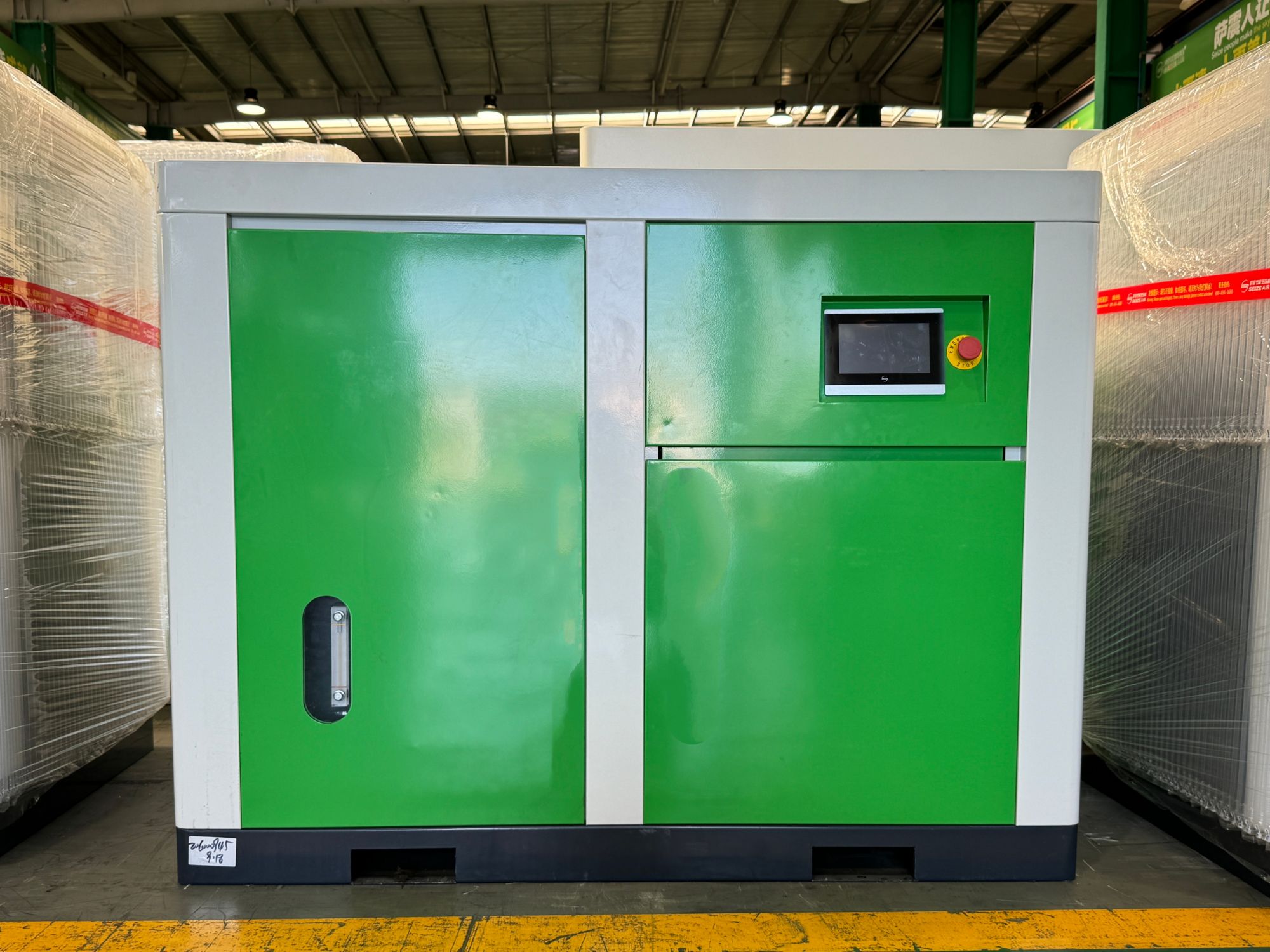
What truly moves the needle on lifespan often boils down to a handful of daily practices that keep our cells and systems resilient. Consistent physical activity—whether it’s brisk walking, cycling, or strength training—acts like a tune-up for the heart, metabolism, and even brain health. Pair that with a diet centered on whole foods, leafy greens, colorful vegetables, and sources of healthy fats like nuts and olive oil, and you create an internal environment less prone to inflammation and oxidative stress.
Just as critical is the quality of rest we give ourselves. Deep, restorative sleep is when the brain clears waste, memories consolidate, and hormones regulating growth and appetite reset. Cultivating strong social ties and a sense of purpose adds another layer of protection—people with rich relationships and clear reasons to get up in the morning consistently show lower rates of chronic disease. And while it’s often overlooked, how we handle daily pressures matters; chronic stress nudges the body into a constant state of alert that wears down organs over time.
Small, steady changes in these areas tend to outshine drastic, short-lived fixes. Finding ways to move more during the day, building meals around whole ingredients, prioritizing seven to eight hours of sleep, and making time for the people and activities that bring genuine joy can all add up to a longer, more vibrant life.
Quiet Operation: Not Just a Luxury
In a world filled with constant noise, a quiet appliance isn’t just about avoiding disturbance—it’s about reclaiming your peace of mind. When a dishwasher or washing machine hums softly in the background, it allows conversations to flow, babies to nap undisturbed, and late-night chores to proceed without waking the whole household.
Engineers have pushed the boundaries of sound reduction, using advanced insulation, brushless motors, and precision balancing to keep operational decibels remarkably low. It’s not merely a premium feature anymore; it’s becoming a baseline expectation for those who value a serene living space. The difference between a clattering machine and a near-silent one transforms daily routines from intrusive events into seamless parts of life.
Maintenance Habits for Decades of Use
Keeping a tool or appliance running for decades isn't about luck—it's about small, consistent habits that stack up over time. The first step is simply paying attention: listen for unusual sounds, watch for subtle drops in performance, and never ignore a loose screw or slight wobble. Those early warning signs are often the difference between a quick fix and a complete failure. When you catch things early, you avoid the kind of breakdowns that send well-loved equipment to the landfill years too soon.
Routine cleaning might sound mundane, but it's the unsung hero of longevity. Dust, grime, and leftover debris aren't just cosmetic issues; they slowly erode seals, clog ventilation, and invite corrosion. After every use, take two minutes to wipe down surfaces and store items in a dry, stable environment. For things with moving parts, a periodic drop of the right lubricant—applied sparingly and exactly where needed—can prevent metal-on-metal wear that silently shortens lifespan. Knowing when to leave it alone is just as valuable: over-lubricating or disassembling things out of curiosity often introduces more problems than it solves.
True longevity also means respecting the tool's limits. Pushing something beyond its intended capacity might get the job done once, but it plants the seeds for gradual failure. Stick to the manufacturer's guidelines for load, speed, and duty cycles, and if you're ever tempted to improvise a repair with duct tape and hope, remember that a proper fix now saves you from a permanent breakdown later. Build a small inventory of common spare parts that you know tend to wear out—belts, filters, seals—and learn to swap them yourself. That hands-on familiarity not only extends the item's life but transforms you from a passive user into an active caretaker, someone who can coax decades of reliable service from even the most humble device.
Top Picks That Deliver Consistent Output
Consistency often separates a wise investment from a series of frustrating letdowns. The standouts in any category aren’t the ones that occasionally shine under perfect conditions; they’re the tools, services, or products that perform predictably well day in and day out, regardless of minor variables. You come to rely on them not because of flashy features, but because they remove uncertainty from your workflow.
Identifying these reliable workhorses takes more than skimming spec sheets. Look beyond the marketing claims and pay attention to how long a product has maintained its reputation without a dip in quality. User forums, long-term reviews, and word-of-mouth among seasoned practitioners often reveal which picks truly deliver uniform output. The real test is when you push them to their limits and they still produce the same solid results as on a lazy Tuesday afternoon.
Why Tank Size and PSI Matter More Than You Think
Most people fixate on how a compressor looks or its brand badge, but the real magic happens inside the numbers. A larger tank isn't just about holding more air—it smooths out the motor's workload, letting you run tools that demand a steady stream of pressure without the pump kicking in every twenty seconds. That means less wear on the motor, cooler operation, and far fewer annoying interruptions when you're in the middle of a job.
PSI, on the other hand, is the muscle behind your tool's bite. It's not just a maximum rating you'll never reach—real-world performance lives in the working range between cut-in and cut-out pressure. A compressor that cycles between 90 and 120 PSI will give you a totally different experience than one bouncing between 100 and 130, especially with tools like impact wrenches or nailers that need a certain punch to function right.
Pairing the wrong tank size with a mismatched PSI rating is like buying a sports car and filling it with cheap fuel. You might not notice the compromise at first, but over time, slower recovery, pressure drop, and overheating creep in. Think about your actual use—not the one-off big job, but the daily rhythm—and match the specs to that reality. Suddenly, the spec sheet feels less like a list of numbers and more like the key to never breaking your stride.
FAQ
Focus on build quality first—cast iron pumps tend to last longer than aluminum ones. Also, check the duty cycle; a compressor that can run 100% of the time without overheating is ideal for demanding jobs. Look for a reputable brand with easily available parts, because even the best machines need occasional repairs. And never underestimate proper sizing—an undersized compressor running non-stop will fail prematurely.
Not necessarily. While high-end models often use better components, a mid-range compressor from a solid brand with proper maintenance can outlast a neglected premium unit. It's more about how you care for it—regular oil changes, draining the tank, and cleaning filters. However, cheap no-name compressors often cut corners on the pump and motor, so avoid the absolute bottom tier.
Tank size affects how often the motor cycles. A larger tank means fewer starts and stops, which reduces wear on the motor and pressure switch. But if you only use intermittent tools, a huge tank isn't necessary. For continuous-use tools like sanders or grinders, opt for at least a 20-gallon tank to keep the compressor from running constantly.
Many users swear by the Ingersoll Rand SS5L5 or the Rolair JC10 for small jobs. In the larger shop category, Quincy and Saylor-Beall have a reputation for industrial-grade durability. For a budget-friendly long-laster, Makita's oil-lubricated portable models often surprise with their lifespan. Always read recent reviews, as manufacturing quality can shift.
Usually, yes. Oil-lubed pumps run cooler and benefit from constant lubrication, so they tend to have a longer service life—often thousands of hours. Oil-free compressors are convenient and lighter, but their sealed bearings and Teflon-coated cylinders wear out faster under heavy use. If you're a weekend DIYer, an oil-free model might be fine, but pros should stick with oil-lubed.
Drain the tank after every use to prevent rust from condensation. Change the oil regularly—think every 200-500 hours of use or at least annually. Keep the air filter clean, and check belts for tension if it's belt-driven. Also, listen for unusual noises; they often signal a loose component or failing bearing. A little attention goes a long way.
Heat is a compressor's enemy. Running in a hot environment without proper ventilation can cause the motor and pump to overheat, leading to oil breakdown and premature failure. In cold weather, moisture can freeze in the lines and thick oil makes starting harder. Try to keep your compressor in a clean, temperature-controlled space if possible.
Look for a cast iron cylinder and crankcase, an efficient intercooler (on two-stage models), and a magnetic starter on larger motors. A slow pump speed (around 800-1000 RPM) is a good sign—it means less friction and heat. Heavy-duty filters and copper or finned discharge tubing also point to a design focused on durability over cost-cutting.
Conclusion
When investing in a workshop or industrial-grade air compressor, the true measure of longevity lies in its core build and thoughtful design—not just horsepower ratings or price. A truly durable unit starts with a cast-iron cylinder and oil-lubricated pump that can handle continuous cycling without overheating, while oversized bearings and robust valves reduce metal fatigue. Equally crucial are components that often go unnoticed: a slow-turning pump reduces wear, and an efficient intercooler keeps moisture at bay. Tank size and PSI ratings directly affect how often the motor cycles on and off, with a larger tank delivering steadier tool performance and less strain on the motor. Quiet operation, once considered a luxury, is now a hallmark of precision engineering—enclosures, belt-driven systems, and sound-dampening materials make a compressor that can run in a garage all day without fatigue.
Yet even the best-built machine will fall short without consistent care. Simple habits like draining the tank after each use, checking oil levels, and cleaning intake filters add decades to a compressor's life. Top picks in the market today reflect this balance of sturdy construction and user-friendly maintenance—models with fully welded tanks, belt guards, and easy-access drain valves stand out. Seasoned professionals often swear by two-stage compressors that deliver high CFM at rated pressure, ensuring consistent output for impact wrenches or spray booths. Ultimately, the most reliable air compressors are those that blend smart design with a maintenance-friendly layout, rewarding users with decades of pressurized reliability.
Contact Us
Contact Person: Mia
Email: [email protected]
Tel/WhatsApp: +86 19821985894
Website: https://www.seize-air.com