

Reliable Mining Air Compressor: Key Features and Selection Tips
2026-08-12
In the demanding world of mining, every piece of equipment must pull its weight—especially the air compressor that powers drilling, ventilation, and material handling. A single failure can halt production and inflate costs. That's why understanding what makes a compressor truly reliable is more than a technical exercise; it's a bottom-line necessity. At Seize Air, we've seen how the right choice can transform underground operations. But with so many options claiming durability and efficiency, how do you cut through the noise? This guide breaks down the key features you should never compromise on and shares practical tips to match a compressor to your mine's unique demands. Read on to equip your team with knowledge that keeps the air flowing—and your project on track.
Understanding the Core Demands of Mining Environments
Mining environments are unforgiving by nature. Extreme temperatures, relentless vibration, and fine conductive dust are not exceptions—they are the everyday reality. Equipment must function where ambient heat can exceed 50°C and where sub-zero starts are routine. This isn’t about designing for worst-case scenarios; it’s about acknowledging that the worst case is the baseline. The core demand is resilience baked into every component, from sealed connectors that shrug off moisture and particulates to power systems that don’t flinch when the grid fails. In these settings, reliability isn’t a feature—it’s a precondition for safety and productivity.
Beyond the physical assault, there’s the relentless operational tempo. Mines run 24/7, and any pause in extraction translates directly to lost revenue. The demand here is for uptime that borders on the absolute. This requires a shift in thinking: from reactive maintenance to predictive intelligence. Components must talk—providing real-time data on wear, temperature, and load—so that interventions happen precisely when needed, not according to a calendar. The environment also demands energy efficiency that doesn’t compromise power; ventilation and cooling can consume half of a mine’s energy budget. Smart systems that optimize airflow and equipment usage are no longer luxuries but core requirements.
Finally, there’s the human element often overlooked in technical briefs. The core demand is safety in an inherently hazardous environment. Machines must protect workers from roof falls, gas leaks, and moving parts without adding complexity that leads to confusion. Intuitive interfaces, clear fault indicators, and fail-safe designs are not afterthoughts—they’re essential. When equipment feels like a natural extension of the operator’s intent, and when it actively shields against danger, trust is built. That trust is the foundation for efficiency and morale in the dark reaches of a mine.
Key Features That Ensure Uninterrupted Operation
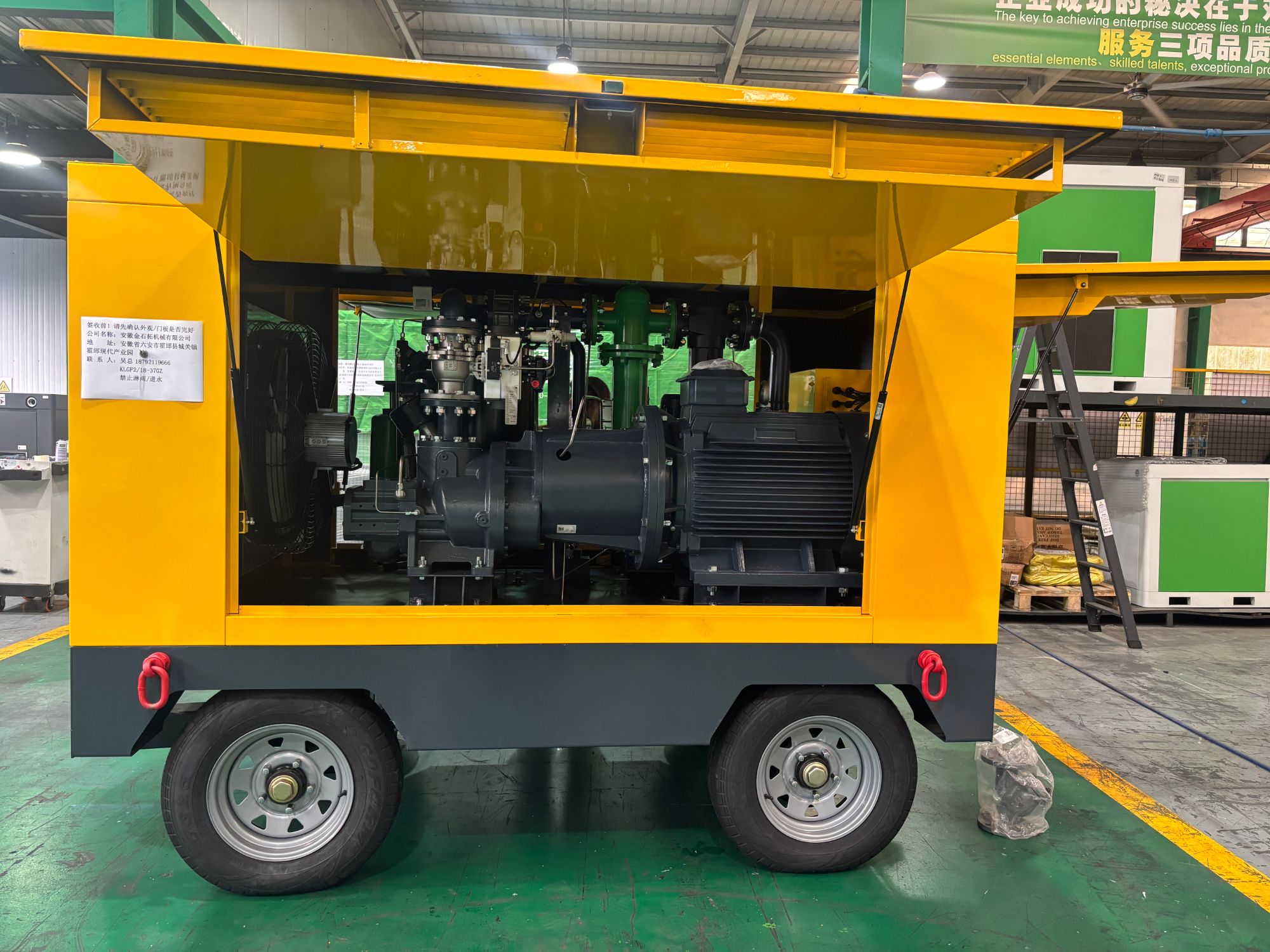
Every element that keeps operations flowing without a pause starts with a foundation built on redundancy—not just as a backup plan, but as an active, woven layer. Imagine power pathways that mirror each other so perfectly that a surge or failure on one line instantly transfers the load, with the transition measured in microseconds. That kind of invisible handover means machines keep humming, data keeps streaming, and nobody on the factory floor or in the server room even blinks. It’s the difference between a system that hopes for the best and one that’s already arranged a silent partner to step in.
What takes this reliability even further is how these systems listen to themselves. Embedded sensors and real-time health checks don’t just wait for a breakdown; they read subtle changes in temperature, voltage, or vibration patterns that hint at trouble long before it arrives. When a component starts showing its age, a notification goes out—often with enough lead time to schedule a swap during a natural lull rather than an emergency scramble. And because the design allows for hot-swapping critical modules, that replacement happens while everything else stays alive and active, turning what would be a full stop into a maintenance moment that barely leaves a footnote.
Energy Efficiency: The Hidden Cost-Saver
When businesses think of trimming operational expenses, they often overlook one of the most potent levers: energy efficiency. It's not just about swapping lightbulbs or turning down the thermostat—though those steps help—it's about reimagining how energy flows through every process. From optimizing HVAC systems to installing variable-speed drives on motors, the cumulative effect can slash utility bills by 20-30%. And the best part? Many upgrades pay for themselves within months, not years, without sacrificing comfort or productivity.
Beyond the immediate savings, energy efficiency acts as a buffer against volatile utility rates and tightening environmental regulations. Companies that invest in smarter energy use often find themselves less exposed to price spikes, and they gain a competitive edge by reducing their carbon footprint in ways that customers and investors increasingly value. It's a quiet transformation—one that turns a routine expense into a strategic advantage, often without fanfare or complex overhauls.
The hidden nature of these savings lies in their invisibility on standard balance sheets. You won't see a line item for “energy waste eliminated,” but you'll notice the impact in fatter profit margins and a more resilient operation. Whether it's through better insulation, smarter lighting controls, or upgrading to energy-efficient equipment, the cumulative effect is a leaner, more agile organization. It's not glamorous, but it's reliable—and in a world of uncertain costs, that counts for a lot.
Safety Features That Can't Be Overlooked
Modern vehicles are packed with advanced technology, but some of the most critical safety features are the ones we rarely think about. Take electronic stability control, for instance. It subtly corrects your steering and braking during sudden maneuvers, yet it remains hidden until that split-second moment when it prevents a spin-out. Without it, even experienced drivers can lose control on a wet curve or an icy patch. It’s not flashy, but it’s saved countless lives since becoming mandatory.
Then there’s the importance of proper headlight design. Beyond brightness, beam patterns and adaptive lighting can dramatically reduce nighttime collisions. Many drivers overlook how poorly aimed headlights can create dangerous glare for others, while inadequate illumination leaves pedestrians and obstacles in the shadows. Upgraded systems with automatic high beams and cornering lights aren’t just luxury add-ons; they actively help you see and be seen in the dark.
Lastly, the simple seatbelt pretensioner and load limiter combination often goes unappreciated. In a crash, they instantly cinch you snugly into the seat and then slightly relax to reduce chest injury. Together with well-designed airbags that deploy at varying forces, these passive restraints work in milliseconds to manage energy transfer. It’s the engineering you can’t see that makes the difference between a close call and a tragedy.
Smart Selection: Matching Air Compressor to Mine Size and Demand
Choosing the right air compressor for a mining operation goes beyond simply picking the most powerful unit available. The key lies in analyzing the specific demand profile—the variety of pneumatic tools, their individual consumption rates, and the total required pressure and flow. A surface mine using heavy rotary drills will have vastly different needs than an underground operation relying on roof bolters and ventilation fans. Taking a holistic view of all air-dependent equipment, including future expansion plans, prevents costly oversizing or the inefficiency of an undersized system.
Load factor and duty cycle are often overlooked yet critical parameters. A compressor consistently running at full capacity wastes fuel and accelerates wear, while one that cycles too frequently sacrifices reliability. Smart selection involves calculating the realistic average demand and selecting a machine that operates in its optimal efficiency band—typically 60–80% of maximum output. For mines with fluctuating needs, variable speed drive compressors can modulate output, but they must be paired with adequate storage to avoid pressure dips during peak surges.
Site conditions impose their own constraints. High altitude reduces air density, mandating derating calculations to ensure performance isn't compromised. Dusty, humid, or corrosive atmospheres demand heavy-duty filtration and corrosion-resistant components. Underground mines require careful consideration of ventilation for diesel emissions or the availability of electric power. Ultimately, a smart selection balances technical specs with the harsh realities of the working environment, ensuring the compressor delivers consistent, efficient air without becoming a maintenance headache.
Maintenance and Longevity: Tips for Maximizing Uptime
One of the most overlooked aspects of keeping equipment running smoothly is shifting from a reactive to a proactive mindset. Instead of waiting for a component to fail, schedule regular inspections and replace worn parts before they cause downtime. Small habits, like keeping cooling fans clean and tightening connections during routine checks, can prevent larger issues. It’s also wise to track usage hours and follow manufacturer guidelines for service intervals—many failures occur simply because a part outlived its recommended lifespan.
Environment plays a huge role in how long hardware lasts, yet it’s often neglected. Excessive heat, humidity, or vibration can accelerate wear and lead to unpredictable failures. Make sure equipment is housed in a controlled area with proper ventilation, and consider adding surge protection to guard against electrical fluctuations. Even subtle factors like dust buildup can impair cooling efficiency, so a clean workspace isn’t just cosmetic—it directly impacts reliability.
Finally, invest in the people who operate and maintain your systems. Well-trained staff can spot early warning signs—like unusual noises or slight performance degradations—that automated monitoring might miss. Documenting a clear preventive maintenance schedule and keeping service logs not only helps with consistency but also builds institutional knowledge. When everyone understands the true cost of unplanned downtime, small daily efforts become a shared commitment to keeping production on track.
FAQ
A reliable mining air compressor should have a robust motor that can handle high dust and moisture levels, along with a durable cooling system. Look for models with heavy-duty air filters and corrosion-resistant components, as these can withstand the abrasive environment and temperature swings common underground.
Poor air quality can damage pneumatic tools and create safety hazards. A good compressor for mining will have an efficient aftercooler and dryer system to remove moisture, plus high-precision filtration to capture particulates. This ensures the air is clean and dry, reducing equipment wear and preventing potential blockages in narrow mine passages.
Start by calculating the total air demand of all tools and equipment that will run simultaneously, then add a margin for leaks and future expansion. It’s common to see mines using compressors in the 7-12 bar range, with flow rates from 5 to 20 cubic meters per minute, but this varies. Always account for altitude, as thinner air reduces compressor efficiency.
Energy costs often make up the bulk of a compressor’s lifecycle expense. Machines with variable speed drives can adjust motor speed to match demand, cutting power use by up to 30%. Additionally, smart controllers that shut down when idle and start up under load without wasting energy can significantly lower the mine’s operating budget over time.
If your operation moves frequently, a skid-mounted or trailer-mounted compressor can be a game-changer. But don’t sacrifice stability—look for units with a low center of gravity and sturdy lifting points. Even stationary models should be designed for easy relocation when the mine expands, with forklift pockets and lifting frames built into the frame.
Ideally, the compressor should have easy-access service panels, centralized drain points, and long-life lubricants. Some models offer remote monitoring that alerts the maintenance team before a fault occurs. Also, suppliers with a strong parts network and on-site service capability can make a huge difference in remote mining locations where every hour of downtime costs thousands.
Oil-injected compressors are common in mining because they’re cost-effective and provide good lubrication for the airend, but they require regular oil changes and careful filtration to keep oil out of the air stream. Oil-free models eliminate oil contaminants completely, which is safer for coal mines or areas where oil vapor could pollute the blast air, though they come at a higher initial cost.
Many failures come from taking in highly acidic or wet air, which can corrode internal parts quickly. Also, running at partial load for extended periods can cause carbon buildup in oil-injected units. Ambient temperature swings and poor ventilation around the compressor pack often go unnoticed until a breakdown happens, so it’s wise to place units in well-ventilated, sheltered areas.
Conclusion
Selecting an air compressor for mining operations demands a thorough grasp of the harsh conditions it will face—extreme dust, humidity, and fluctuating temperatures are just the beginning. The right machine must be built with rugged components like heavy-duty filters and robust cooling systems to ensure it runs without interruption, as even a minute of downtime can halt production. Beyond reliability, energy efficiency plays a pivotal role in controlling operational costs; modern compressors with variable speed drives adjust output to actual demand, trimming power waste significantly. Safety is non-negotiable, so features such as automatic shutdowns for overheating and advanced monitoring systems protect both workers and equipment.
Matching the compressor to the mine's scale and air needs prevents both undersized struggles and oversized waste. For instance, a large underground operation may require a high-capacity screw compressor with integrated dryers, while a small surface mine might find a portable unit more practical. Regular maintenance is the foundation of longevity—simple routines like inspecting intakes, changing filters on schedule, and checking for leaks keep the system humming. Investing in training for on-site personnel and using genuine parts extends service life, turning what could be a frequent headache into a dependable asset that quietly powers the core of mining activity.
Contact Us
Contact Person: Mia
Email: [email protected]
Tel/WhatsApp: +86 19821985894
Website: https://www.seize-air.com