

RFID Wristband Printer Wholesaler: How to Find the Best Supplier
2026-06-24
Choosing the right RFID wristband printer wholesaler can feel overwhelming, but it doesn't have to be. Whether you're upgrading event access or streamlining hospital patient tracking, the quality and reliability of your wristbands hinge on one critical decision: your supplier. At BAOBI, we understand the stakes—durability, data security, and seamless integration are non-negotiable. This guide cuts through the noise, revealing what truly matters when sourcing a partner who can deliver at scale without compromising on innovation. Let's dive into the essentials that will save you time, money, and headaches down the line.
Decoding the Specs: What to Look for in a Quality RFID Wristband Printer
When evaluating an RFID wristband printer, the first thing to check is its encoding and printing speed. Fast throughput matters, but not at the expense of reliability. Look for models that can handle high-volume batches without frequent jams or misreads. A printer that operates smoothly at around 4 inches per second with consistent RFID encoding is often a safe bet for events and access control scenarios.
Another critical spec is tag compatibility. Not all RFID wristbands use the same chip or frequency, so the printer must support a wide range of UHF or HF RFID inlays. Pay attention to the read/write range and the anticollision protocols supported. If you're dealing with mixed wristband types, a printer with flexible antenna positioning and adjustable encoding power will save you from a lot of troubleshooting later.
Finally, don't overlook the physical build and media handling. A quality RFID wristband printer should have a sturdy frame, easy-access printhead, and the ability to handle thick or flexible wristband materials without wrinkling. Integrated features like automatic calibration, ribbon-saving modes, and clear error indicators make a real difference during long runs. Real-world durability is just as important as the spec sheet highlights.
Beyond the Machine: Customization Capabilities That Set Suppliers Apart
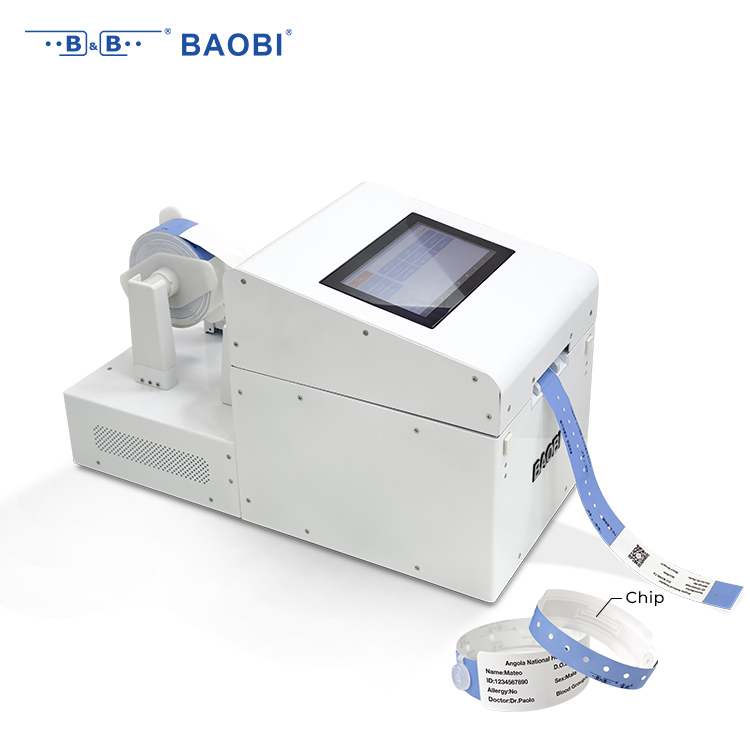
The equipment a supplier provides is often just the starting point. What truly separates the leaders from the pack is their ability to tailor that machinery to a customer’s unique operational landscape. It’s one thing to deliver a high-performance unit, but another entirely to re-engineer its feeding system, adjust control logic for an unusual workflow, or integrate it with legacy hardware that no one else wants to touch.
Consider how some suppliers offer bespoke modifications that go well beyond off-the-shelf options. This might mean designing a specialized end-effector for a robotic arm, rewriting firmware to handle a niche material, or reconfiguring a machine’s footprint to squeeze into a tight production floor. These aren’t just checkboxes on a spec sheet—they’re creative solutions that come from deep R&D collaboration and a genuine willingness to understand what the client actually needs, not just what’s easiest to manufacture.
In practice, that level of customization translates into smoother installations, less downtime, and a machine that feels like it was built for the task—because it was. It also forges a different kind of supplier relationship, one grounded in problem-solving rather than transactional sales. When equipment is adapted to reality instead of theory, the whole operation becomes more resilient, and that’s what keeps buyers coming back.
Speed vs. Precision: Balancing Output Demands Without Sacrificing Quality
In many fast-paced work environments, the pressure to deliver results quickly can push teams to prioritize speed above all else. Yet, moving too fast often leads to mistakes, rework, and overlooked details that ultimately slow things down. The real challenge isn't choosing between speed and precision—it's learning how to blend them effectively. This means understanding when a rapid, rough draft is sufficient and when a task demands meticulous attention. By recognizing that not every piece of work requires the same level of polish, you can allocate effort more strategically, reserving deep focus for high-impact tasks while moving swiftly through lower-stakes items.
One practical way to strike this balance is by building clarity into your processes. When expectations and standards are well-defined from the start, teams can work confidently without second-guessing themselves. Tools like checklists, templates, and automated workflows can handle repetitive tasks, freeing up mental energy for areas that truly require human judgment. Another key approach is setting interim milestones with quick reviews, which allows for early course correction without derailing momentum. These small feedback loops ensure that quality remains integral to the workflow rather than being treated as an afterthought.
Ultimately, sustaining quality under output pressure relies on a culture that values thoughtful trade-offs. Encouraging open conversations about what “good enough” looks like for a given project helps avoid unnecessary perfectionism. When team members feel safe to discuss priorities and resource constraints, they can collectively decide where to invest extra care. This collaborative mindset transforms the speed-versus-precision dilemma from a source of stress into a daily decision-making skill, one that strengthens both efficiency and the final work's impact.
The Human Factor: How to Vet a Supplier’s Reliability and Support
Beyond spec sheets and certifications, the mark of a dependable supplier often emerges through casual interactions—how quickly they clarify a vague requirement or their willingness to admit a limitation before overpromising. A vendor’s reliability isn’t just about what they deliver; it’s about how they handle the moments when things don’t go as planned. Pay attention to their communication style during the evaluation phase: does the contact person ask thoughtful questions about your use case, or are they simply pushing a generic solution? Real support starts with people who listen before they sell.
Testing the human side of support can be as simple as sending an after-hours inquiry to see if someone truly cares about your deadline. Notice whether follow-ups are proactive or reactive, and whether the team seems empowered to make decisions without endless escalations. A supplier’s long-term value often hinges on the small, informal exchanges—the engineer who suggests a smarter workaround, the account manager who remembers your production cycle. These human threads form a safety net that no contractual clause can replace, and they reveal whether a partnership will merely survive or actually thrive under real-world pressure.
Hidden Costs Exposed: A Smarter Way to Compare Wholesale Pricing
Wholesale pricing often appears straightforward, but comparing suppliers based on listed unit prices alone can be misleading. A product might seem cheaper at first glance, yet once you factor in freight charges, customs duties, warehouse fees, and payment processing surcharges, the real cost can balloon. These hidden expenses frequently get overlooked during quick comparisons, leading to budget overruns and reduced profit margins. Simply put, the lowest sticker price rarely tells the full story.
A smarter way to compare wholesale offers involves looking beyond the headline number and calculating the total landed cost for each option. This means adding up every expense from the moment goods leave the factory to when they arrive at your distribution center. By building a simple spreadsheet or using procurement tools that aggregate these variables, you can rank suppliers based on true expenditure rather than superficial price tags. This approach not only reveals which deals are genuinely cost-effective but also helps negotiate better terms by highlighting where hidden fees create unnecessary markups.
Future-Proofing Your Purchase: Scalability and Tech Support Considerations
When a product flat-out refuses to grow with you, that initial bargain starts looking like a costly pitfall. Check whether the device or service allows for a straightforward component upgrade—swappable batteries, additional memory slots, user-accessible storage bays. Beyond hardware, the manufacturer’s track record on firmware updates and backward compatibility tells you if they’re planning to keep the ecosystem alive or just pushing next year’s model.
Solid tech support is the unsung hero when something goes sideways after the return window closes. It’s worth digging into the actual support channels: is there a direct chat with engineers, or do you get stuck in an FAQ loop? Look for signs of a responsive team—detailed patch notes, active user forums where staff chime in, and warranty terms that don’t come with a hundred asterisks.
FAQ
Look closely at their production capacity, industry experience, and the range of RFID wristbands they can print. You'll also want to check if they offer reliable after-sales support and can deliver consistent quality, especially for large orders.
Certifications like ISO and RFID-specific standards are a strong indicator that the supplier follows best practices. They can give you confidence in the durability and performance of the wristbands, which is critical for events, hospitals, or access control applications.
A dependable wholesaler should offer clear warranty terms, responsive technical assistance, and replacement policies for defective batches. Some might also help with troubleshooting printer issues remotely or on-site.
Going factory-direct often means better pricing and more control over customization. However, a reputable intermediary can add value through local support and faster shipping if the factory is overseas. Weigh your priorities in cost, communication, and lead time.
Always request printed samples first. Test them for readability, durability, and comfort. Pay attention to print clarity and how well the RFID inlay performs in real conditions. A good supplier won't hesitate to send samples.
They should be able to handle variable data printing, custom colors, unique serial numbers, and logo embedding. The more flexibility they provide in materials and chip types, the better you can match the wristbands to your specific needs.
Pricing often depends on order volume, material choices, and complexity of the RFID technology. Don't just chase the lowest price—factor in hidden costs like setup fees, shipping, and potential quality issues that could cause reprints or delays.
Many focus too heavily on price and overlook production lead times or communication gaps. Others skip on-site audits or rely only on online reviews instead of speaking with existing clients. Building a real relationship and verifying capabilities early on saves a lot of trouble later.
Conclusion
Finding the right RFID wristband printer wholesaler isn’t about ticking feature boxes—it’s about understanding how the machine’s core specs translate into daily operations. Look beyond basic print resolution; a quality printer accurately encodes RFID tags on varied wristband materials without frequent misreads or jams, especially when dealing with curved surfaces. Customization is where top suppliers shine: they offer tweaks in software, label design, and even hardware add-ons that mirror your workflow, not a generic setup. But even the best hardware falls flat without a supplier that backs it with real expertise. Vet them ruthlessly—request sample prints under your conditions, gauge their response to technical queries, and dig into client references to assess whether their support is proactive or merely reactive. That human element often separates a one-time purchase from a lasting partnership.
Operational balance is the next tightrope: high throughput means nothing if speed corrupts encoding precision. A trustworthy wholesaler will openly discuss duty cycles and prove that their device maintains data integrity at full tilt. Pricing, too, demands a sharper lens. Wholesale deals can hide costs in proprietary consumables, mandatory service contracts, or minimal warranty windows, so calculate total cost of ownership over three to five years rather than fixating on the upfront sticker. Finally, future-proofing matters. The supplier should demonstrate a clear upgrade path for new RFID standards, modular components that extend the machine’s life, and tech support that doesn’t fade after installation. Choosing wisely here means you’re not just buying a printer—you’re investing in a system that scales with your business.
Contact Us
Contact Person: Bill Xu
Email: [email protected]
Tel/WhatsApp: 8618688898707
Website: https://www.baobitech.com/