

Stainless Steel Self Tapping Screws Wholesaler How to Choose a Reliable Partner
2026-11-16
A single batch of subpar self-tapping screws can stall an entire production line. Finding a stainless steel self tapping screws wholesaler who consistently supplies fasteners that hold up under pressure isn't just about price—it's about trust. But with so many suppliers competing for your attention, identifying a partner who won't let you down requires a sharper eye than most buyers realize. At Wanluo, we've learned that reliability is built on specific, observable practices—and we're sharing what to look for before you sign your next purchase order.
Look Beyond the Price Tag
The lowest price rarely tells the whole story. A cheap product might save you money upfront but cost you more in repairs, replacements, or wasted time. Instead of fixating on the sticker number, consider how long the item will last, how well it performs its core function, and whether it actually matches your daily needs. A slightly higher upfront cost often translates into fewer headaches down the road.
Think about the materials, the craftsmanship, and the brand's track record for standing behind what they sell. A well-made jacket that survives five winters beats a bargain one that pills and tears by spring. The same logic applies to tools, electronics, and even services—value is measured in reliability, not just digits on a receipt.
Also factor in hidden expenses like maintenance, shipping, or the time you'll spend dealing with returns and defects. Sometimes the real bargain is the option that quietly does its job without demanding your attention or your wallet again next month. Look past the discount sticker and ask: what will this actually cost me over time?
Check Material Grades and Coatings Before You Commit
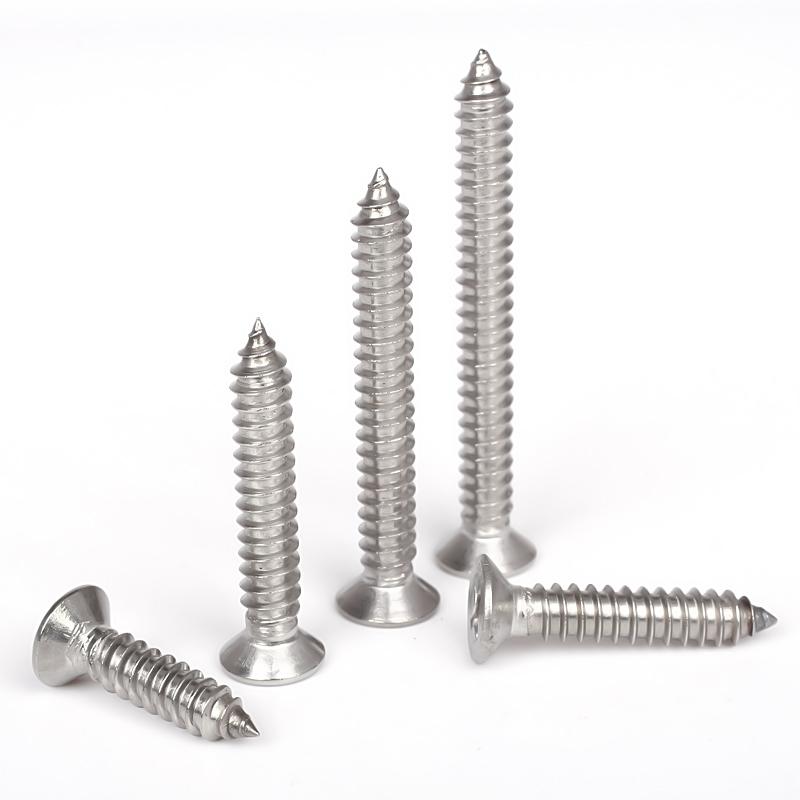
A 304 stainless and a 316 stainless look identical on a shelf, but only one will shrug off years of coastal salt spray. If the job site is anywhere near chlorides, de-icing salts, or aggressive cleaning chemicals, that subtle grade difference becomes the gap between a five-year finish and a fifteen-year frustration. Ask for the mill certificate or traceable markings before the purchase order goes out, not after the material lands on your loading dock.
Coatings deserve the same scrutiny. Powder coat, anodizing, galvanizing, or a wet paint system each fail in their own predictable ways when thickness, adhesion, or cure time falls short. A showroom-perfect sample can hide a thin edge coverage or a soft cure that will peel, chalk, or bubble within its first real winter. Request coating thickness readings, adhesion test results, or better yet, a small test panel you can scratch, bend, and leave outside for a few weeks.
Put the exact grade and coating specification in writing, including acceptable alternatives and the test methods you will accept. If the supplier can't name the standard or pushes back on providing data, treat that as a signal, not a negotiation. The materials you commit to today determine the warranty calls you take tomorrow.
Ask About Production Capacity and Lead Times Early
Waiting until the last minute to ask how many units a supplier can actually produce—or how long it will take—is a fast way to derail a launch. Instead of assuming their published numbers are accurate, reach out during initial conversations and ask for real examples of past orders similar in size and complexity. What was their peak weekly output? How did they handle urgent requests? These answers reveal whether they have genuine flexibility or just impressive marketing.
Lead times often hide unexpected delays in raw material sourcing, mold changes, or subcontracting steps. By asking early, you can map out the entire production path and spot bottlenecks before they become your problem. Some suppliers will quote shorter times to win the business, then quietly extend once the deposit is paid. Press for a written breakdown of each phase—cutting, assembly, finishing, packaging—and compare it with what their current clients actually experience.
Early capacity questions also open the door to smarter planning on your side. If a factory is already running at ninety percent capacity, your order will compete for attention with existing clients, no matter what the contract says. Knowing this in advance lets you either schedule production during a quieter window, negotiate a dedicated line, or split the order across two facilities. The goal isn't just to confirm they can make your product—it's to understand whether they can make it on time when it truly matters.
Sample Orders Reveal More Than Spec Sheets
A spec sheet can list tolerances, material grades, and finish types, but it rarely captures how those numbers translate into a physical object you actually hold. A small sample order forces the supplier to run real production processes, exposing whether stated tolerances hold up across multiple units, if the anodized surface resists fingerprints the way the brochure implies, or if the laser-etched logo stays crisp at the intended size. These are the details that live between the lines of a PDF.
Color accuracy is another area where samples beat documentation every time. A Pantone reference or RGB value tells you almost nothing about how a part will look under warehouse lighting versus daylight, or how a powder coat will feel to the touch. With a sample in hand, you can check edge coverage, consistency of coating thickness, and whether the finish scratches easily during normal handling—none of which appears on a technical drawing.
Perhaps most revealing is what a sample order says about the supplier's own quality control. If even a small batch arrives with mismatched thread colors, inconsistent polishing, or loose tolerances on non-critical dimensions, that's a signal no spec sheet can send. A well-executed sample, on the other hand, demonstrates not just capability but attention to the small failures that often derail larger production runs.
Gauge Their Communication When Problems Arise
A person’s default reaction to friction tells you more than any smooth-sailing conversation. When something breaks, do they go quiet and leave you guessing? Do they fire off an anxious barrage of half-formed updates? Or do they name the problem plainly, explain what they know and don’t know, and suggest a next step without needing to be chased? The patterns that show up in a minor delay or a misrouted file are the same ones you’ll see during a real crunch.
Watch what they do after the first alert. Do they share bad news early or wait until you ask twice? Are they able to separate the facts from their frustration, or does every update come wrapped in blame? The most useful signal isn’t whether they stay calm—it’s whether they keep you oriented. Someone who can say “this part is unclear, here’s what I’m checking, and I’ll report back by four” gives you a working model of how they’ll handle bigger unknowns. Someone who only offers silence or vague reassurances leaves you managing their emotions on top of the original problem.
Long-Term Reliability Depends on Quality Consistency
A product that works perfectly for six months and then fails without warning rarely gets remembered for those six good months. What people actually trust is the boring, repeatable part: the same material batch after batch, the same torque on every fastener, the same finish that doesn't fade differently from one unit to the next. Long-term reliability is less about a single great design and more about refusing to let small variations accumulate.
When quality drifts, even slightly, failures tend to show up late. A connector that's a fraction looser, a seal that cures just a bit softer, a coating applied a few microns thinner — none of these trigger an immediate red flag. Over hundreds of cycles or years of exposure, though, they become the difference between a component that quietly keeps working and one that becomes a warranty claim. Consistency is what keeps those micro-deviations from ever getting a foothold.
That's why the most dependable brands often look unremarkable on the surface. They don't chase constant redesigns or swap suppliers for a two percent cost saving. Instead, they audit the same process week after week, track data that seems almost pedantic, and reject parts that would pass a casual inspection. Long-term reliability isn't a feature you can add at the end — it's the residue of thousands of small, consistent decisions made before anything ships.
FAQ
You can usually tell by how much they know about the product. A dependable partner asks about your application first—what material you're fastening into, whether it's exposed to moisture, what head style you need. They can walk you through why 304 might be fine for indoor use but 316 is worth the extra cost near saltwater. If they just quote a price without those questions, they're likely moving boxes rather than solving problems.
Ask for mill certificates and, if possible, a small sample batch. Look at thread formation under magnification—clean, sharp threads without burrs usually mean good tooling. A simple salt spray test on a few pieces can reveal whether the stainless is actually corrosion resistant. You can also check hardness with a file; screws that are too soft will strip during installation. Consistent dimensions across samples matter more than a perfect-looking single piece.
A cheap quote stops being cheap when your production line waits three extra weeks for fasteners. Reliable wholesalers keep buffer stock or have transparent production schedules. Ask about their actual on-time delivery rate, especially for mixed cartons or custom lengths. The best ones send updates before you have to chase them. That reliability becomes part of the product cost—pay a little more per thousand and you avoid idle labor downstream.
Look at how they handle boxes, labels, and counts. Good wholesalers don't just dump screws into a carton. They use moisture-resistant packaging, mark the grade and thread size clearly, and keep counts accurate within a negligible margin. If you receive boxes with mixed lengths or illegible labels, that's a sign of weak warehouse controls. Those small errors multiply when you're dealing with hundreds of thousands of pieces.
Ask for their tooling capabilities, not just a catalog. A partner with in-house or closely managed die-making can adjust thread pitch, length, head shape, and drive style without sending you to a third party. Request a timeline for a custom sample—usually two to three weeks is realistic. If they cannot explain the difference between thread-forming and thread-cutting designs for your application, keep looking.
Yes, if the order size justifies it. A visit shows you how raw material is stored, whether production lines are clean, and how quality checks are documented. You'll also meet the people who handle complaints. Remote buyers can request a live video walkthrough, but nothing replaces seeing whether their warehouse actually matches the photos on their website. Even a half-day visit can prevent a costly mismatch.
They should follow up on installation performance, handle shortages or defects quickly, and keep records of your past orders so reordering is painless. If you report stripped heads or snapping during driving, they should investigate rather than argue. A partner that offers traceability—batch numbers tied to your purchase—shows they take long-term accountability seriously. That's the difference between a vendor and a supply chain partner.
Conclusion
The cheapest quote rarely comes from the supplier you actually want to rely on. A stainless steel self tapping screw that fails in the field—whether through thread stripping, poor bite, or corrosion—costs far more than any upfront savings. So before you lock in a wholesaler, get specific about material grade and coating. 304 handles most general uses, but for coastal or chemical exposure, 316 is the safer bet. Ask whether the screws are passivated or coated, and how that finish holds up under your working conditions. If the sales contact can't answer that without checking with someone else, keep looking. You should also press on capacity and lead times early, not after you've placed a big order. A supplier with a low price but a three-month backlog won't help when your line is down. Ask what happens if your order doubles or if the raw material shipment arrives late. Their answer tells you whether they plan or just promise.
Samples should be more than a formality. Put them through your actual installation process and check the drive, the thread sharpness, and the finish under load. One polished spec sheet can hide a lot, but a box of screws won't. When something goes wrong—and at some point it will—see how the wholesaler responds. Do they take ownership and fix it quickly, or do they drag you through weeks of blame? That moment defines a partner. Consistency is the other quiet killer. A great first batch followed by a shaky third batch erodes trust and creates rework you didn't budget for. Request batch records or, if you can, visit the facility. Reliable wholesalers don't hide their process, and they don't treat quality as a one-time event. Over time, that consistency beats any price break or fast-talking account manager.
Contact Us
Contact Person: Shane
Email: [email protected]
Tel/WhatsApp: 8613357785029
Website: https://www.wanluohardware.com