

Tactile Paving Solutions: Enhancing Accessibility and Safety for All
2026-03-29
Imagine a world where every step is guided not just by sight, but by touch—where inclusivity is woven into the very fabric of our cities. This is the promise of tactile paving, a simple yet transformative solution that enhances accessibility and safety for all. In this blog, we'll explore how these textured surfaces break down barriers, from bustling sidewalks to public spaces, ensuring no one is left behind. At Beata Ceramics, we are passionate about crafting materials that not only meet functional needs but also inspire communities to build more welcoming environments. Join us as we delve into innovative designs, real-world applications, and the subtle ways tactile paving shapes a more accessible future. Ready to feel the difference? Let's step forward together.
What Tactile Paving Is and Why It Matters
Tactile paving, often recognized by its distinctive patterns of raised bumps or bars, is a design feature integrated into sidewalks, transit platforms, and public spaces to provide navigational cues for individuals with visual impairments. These textured surfaces serve as a silent guide, alerting pedestrians to hazards like street crossings, staircase edges, or platform boundaries. By offering tactile feedback through canes or underfoot, they create a more inclusive environment, allowing people to move confidently without relying solely on visual cues. This simple yet effective innovation transforms ordinary pathways into accessible routes, bridging gaps in urban infrastructure for those who need it most.
Beyond its primary function, tactile paving plays a crucial role in urban accessibility, enhancing safety and independence for a diverse range of users. It's not just about assisting the visually impaired; these features also benefit older adults, people with mobility challenges, and even distracted pedestrians in bustling cities. By standardizing patterns—such as truncated domes for warnings and directional bars for guidance—cities can foster a more intuitive navigation system. This attention to detail underscores a commitment to universal design, where public spaces are crafted to be usable by everyone, regardless of ability, without the need for special adaptations.
The importance of tactile paving extends beyond practicality, embodying a broader societal shift towards empathy and inclusion in urban planning. When communities prioritize such features, they signal a dedication to equity, recognizing that accessibility is not a luxury but a fundamental right. This proactive approach can reduce accidents, boost public transportation usage, and cultivate a sense of belonging for all residents. In essence, these small textures on the ground carry a powerful message: that a city's worth is measured by how well it serves every individual, making tactile paving a silent yet vital advocate for a more connected and compassionate world.
Key Types of Tactile Surfaces and Their Uses
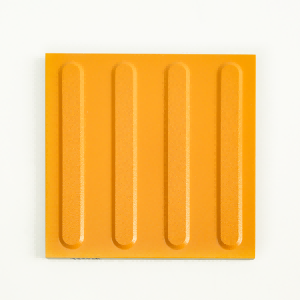
Tactile paving, often found on sidewalks and public spaces, comes in various forms to assist individuals with visual impairments. One common type is blister paving, characterized by small, raised domes. This surface serves as a warning to alert pedestrians about upcoming hazards, such as street crossings or platform edges, helping to prevent accidents and enhance safety in urban environments.
Another important category is directional tactile surfaces, which feature raised bars or lines. These surfaces guide users along safe paths, especially in complex areas like train stations or shopping malls, enabling independent navigation without reliance on visual cues. By providing clear, physical guidance, they support accessibility and mobility for people with low vision.
Beyond these, corduroy paving with parallel ridges is used to indicate grade changes, such as steps or ramps, while lozenge patterns often mark boarding points for public transport. Each design is tailored to specific uses, ensuring that tactile communication is precise and effective in diverse settings, from busy sidewalks to quiet park paths.
Benefits for People with Visual and Mobility Challenges
For individuals facing visual and mobility challenges, embracing digital accessibility tools can truly transform day-to-day interactions and foster greater independence. From screen readers that vocalize text to voice-controlled devices that eliminate the need for physical input, these technologies empower users to navigate websites, apps, and smart home systems with ease, reducing barriers that often hinder participation in work, education, and social activities.
Beyond technology, thoughtful design in public spaces and online platforms plays a crucial role. Features like enhanced color contrast, simplified navigation menus, and adjustable font sizes benefit not only those with visual impairments but also enhance usability for everyone. Similarly, wheelchair-accessible pathways and ergonomic interfaces make environments more inclusive, ensuring that people with mobility issues can move and interact without unnecessary strain or exclusion.
Another key benefit lies in the personal and emotional impact—gaining more control over one's surroundings can boost confidence and mental well-being. By integrating assistive solutions, communities and businesses demonstrate a commitment to diversity, which in turn cultivates a more welcoming atmosphere where all individuals feel valued and able to contribute fully, breaking down stereotypes and promoting equality in various aspects of life.
Global Standards and Installation Best Practices
Global standards provide a crucial foundation for ensuring consistency, safety, and interoperability across industries and regions, ranging from technical specifications to quality benchmarks. They help streamline processes, reduce errors, and foster trust in products and services worldwide, often developed through collaborative efforts involving experts, organizations, and regulatory bodies.
Installation best practices, on the other hand, focus on practical guidelines for implementing systems, equipment, or software effectively and reliably. These practices emphasize thorough planning, proper tools, skilled personnel, and adherence to manufacturer instructions to minimize risks such as operational failures, safety hazards, or costly rework, ultimately enhancing performance and longevity.
Integrating global standards with installation best practices creates a robust framework for success, as standards set the baseline requirements while best practices offer actionable steps for meeting them in real-world scenarios. This synergy can lead to improved efficiency, reduced downtime, and greater customer satisfaction, making it essential for professionals to stay updated on evolving guidelines and adapt them to specific project needs.
Innovations in Material and Design for Safer Paths
Urban planners and landscape architects are increasingly turning to advanced materials like photoluminescent aggregates and high-friction paving to enhance pedestrian safety at night and in wet conditions. These innovations, such as glow-in-the-dark pathways that absorb daylight to illuminate after sunset, not only reduce reliance on artificial lighting but also create visually engaging environments. By integrating these materials into designs, cities can lower accident rates while adding a unique aesthetic appeal that makes public spaces more inviting and accessible.
Design features like textured crosswalks with anti-skid surfaces and raised sections guide visually impaired individuals, while smart zoning separates cyclists from pedestrians to minimize conflicts. Recent projects have successfully implemented modular paving systems with embedded sensors that monitor foot traffic and adjust lighting dynamically, improving navigation during peak hours. This approach ensures that safety measures are both functional and adaptable, catering to diverse user needs without compromising on style or environmental sustainability.
Collaborations between material scientists and designers are yielding groundbreaking results, such as self-healing concrete that repairs minor cracks autonomously, extending path durability and reducing maintenance costs. Additionally, the use of recycled rubber and porous asphalt in trail designs enhances shock absorption and stormwater management, making paths safer and more resilient in various climates. These innovations reflect a shift toward holistic, user-centered design that prioritizes long-term safety and community well-being over conventional, one-size-fits-all solutions.
Real-World Examples and Community Impact Stories
Across the globe, communities are witnessing tangible transformations through grassroots initiatives and collaborative projects. In rural India, a local organization introduced solar-powered irrigation systems, enabling farmers to cultivate crops year-round despite erratic rainfall patterns. This not only boosted agricultural yields by 40% but also empowered women to lead community workshops on sustainable farming practices, fostering economic resilience and gender equity in the region.
In urban areas like Detroit, Michigan, a neighborhood revitalization program turned abandoned lots into vibrant community gardens and recreational spaces. Residents, including youth volunteers and elderly mentors, worked together to plant native species and install public art installations. Over five years, crime rates dropped by 25%, and property values increased, illustrating how collective action can restore social cohesion and local pride in underserved areas.
Similarly, a tech-driven literacy project in Nairobi, Kenya, leveraged mobile apps to provide free educational resources to out-of-school children. By partnering with local libraries and volunteers, the initiative reached over 10,000 learners, with many reporting improved reading skills and subsequent enrollment in formal education. These stories highlight the ripple effects of community-driven solutions, demonstrating that small-scale efforts can catalyze significant, lasting change in people's lives.
FAQ
Tactile paving refers to textured surfaces installed on walkways to provide tactile cues, helping people with visual impairments navigate public spaces safely.
These surfaces offer physical guidance through raised patterns, aiding individuals with low vision or blindness in identifying hazards like stairs or crosswalks, thus promoting independent mobility.
Common materials include durable concrete, rubber, or plastic, chosen for longevity and slip-resistance in various weather conditions.
Beyond aiding visually impaired individuals, tactile paving alerts all pedestrians to potential dangers, reducing trip hazards and enhancing overall walkway safety in crowded areas.
Yes, it can be tailored with different patterns, colors, and placements to suit unique environments such as transit stations, sidewalks, or indoor settings.
Key benefits include increased inclusivity, compliance with accessibility standards, reduced accident risks, and fostering a more user-friendly public infrastructure.
They integrate universal design principles, ensuring public spaces are navigable and safe for people of diverse abilities, from children to the elderly, without segregating users.
Conclusion
Tactile paving, characterized by its textured surfaces, plays a critical role in enhancing accessibility and safety for all, particularly those with visual or mobility impairments. Understanding its essence—**What Tactile Paving Is and Why It Matters**—reveals it as more than just a functional element; it acts as a navigational aid, conveying information through touch. Key types, such as blister and corduroy patterns, serve distinct purposes: the former warns of hazards like road crossings, while the latter guides along pathways. These designs, coupled with innovations in materials like durable polymers and eco-friendly composites, improve longevity and adapt to various environments, making urban spaces more inclusive.
The benefits extend beyond safety, fostering independence and social integration for individuals with disabilities, while also aiding elderly or distracted pedestrians. Adherence to global standards and best practices in installation ensures consistency and effectiveness across regions, reducing mishaps. Real-world examples from cities worldwide demonstrate tangible community impact, where tactile paving has reduced accidents and promoted equitable access. By integrating these aspects, tactile paving solutions not only comply with regulations but also embody a commitment to creating universally accessible, safer paths, thereby enhancing urban livability for everyone.
Contact Us
Contact Person: Emma
Email: [email protected]
Tel/WhatsApp: 8618064423698
Website: https://www.beataceramics.com/