

Top 10 Pipe Bending Machine Companies from China: A Comprehensive Guide
2026-06-24
China’s pipe bending machine industry has grown into a global force, blending precision engineering with cost-effective manufacturing. Whether you’re outfitting a workshop or scaling up a factory, picking the right supplier from this crowded market can feel overwhelming. That’s where our guide comes in—we’ve sifted through countless manufacturers to bring you the top 10, spotlighting innovators like JIAN MENG, whose machines have quietly raised the bar for performance and reliability. Let’s dive into the names that matter.
The Evolution of China's Pipe Bending Industry
China’s pipe bending industry began its journey in the mid-20th century, rooted in the needs of basic infrastructure and heavy machinery. Early workshops relied on manual methods and simple hydraulic presses, often producing bends with inconsistent radii and wall thinning. The focus was on functionality rather than precision, with most applications limited to agricultural irrigation and low-pressure plumbing systems.
The 1980s and 1990s saw a dramatic shift as economic reforms opened doors to foreign technology and global markets. State-owned factories upgraded to CNC bending machines imported from Europe and Japan, while a new generation of private enterprises started to emerge. These businesses quickly absorbed advanced techniques like mandrel bending and rotary draw bending, enabling mass production of tight-radius, thin-walled parts for automotive exhausts, shipbuilding, and petrochemical pipelines. The industry began prioritizing repeatability and material optimization, moving away from trial-and-error traditions.
In recent years, the sector has entered a phase of smart manufacturing and ultra-high precision. Fully automated cells now integrate laser scanning, real-time angle correction, and AI-driven springback compensation, achieving tolerances once thought impossible for exotic alloys used in aerospace and nuclear power. A strong domestic supply chain for tooling and bender controls has reduced dependence on imports, while research into green bending technologies—like energy-efficient servo drives and waste-minimizing simulation software—is reshaping the competitive landscape. The industry’s evolution reflects a blend of inherited craftsmanship and relentless modernization, carving out a distinct identity on the global stage.
Key Factors That Set Leading Manufacturers Apart
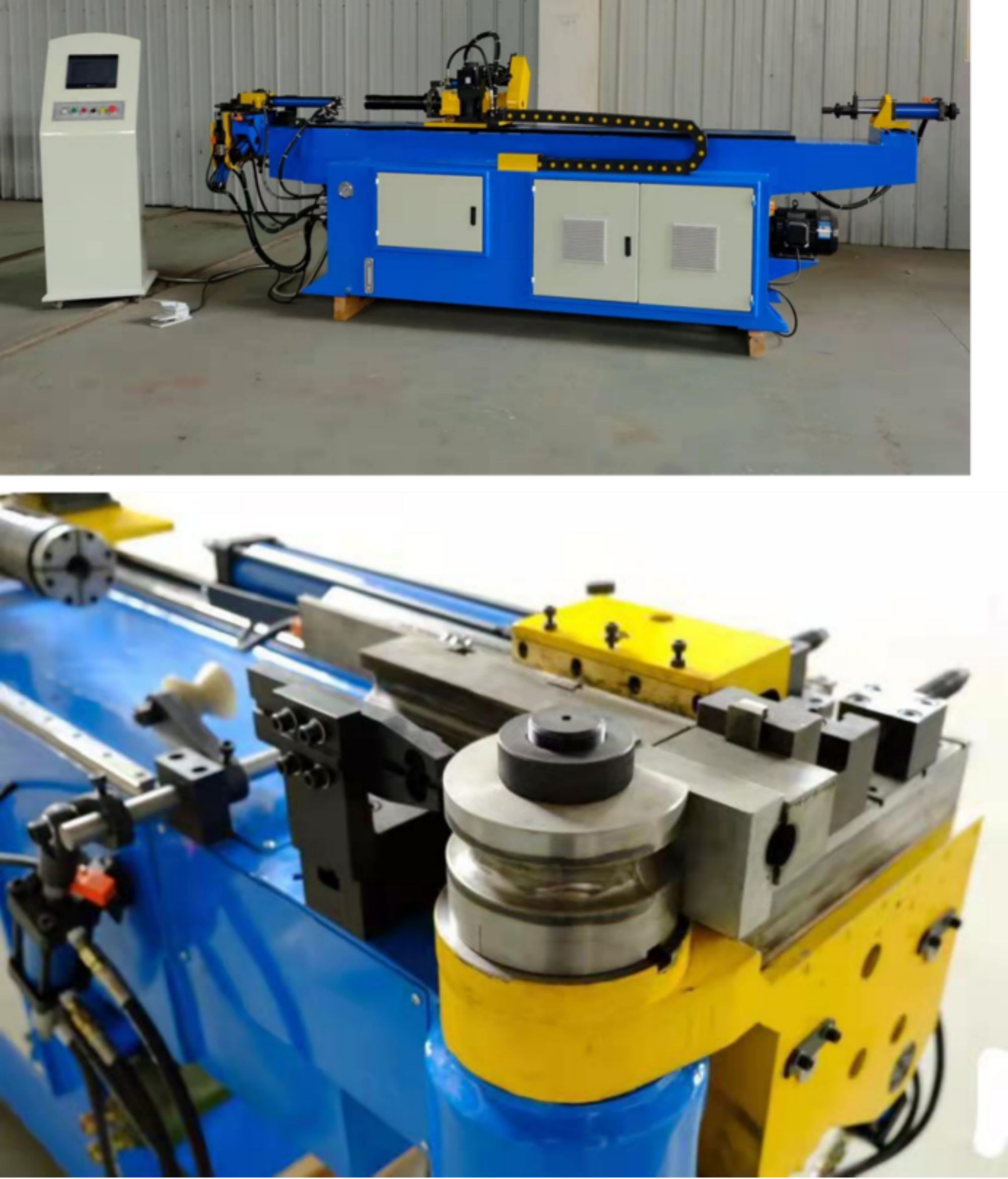
What truly distinguishes top-tier manufacturers isn’t just the quality of their products, but the depth of their process control. They embed rigorous checkpoints at every stage—from raw material sourcing to final assembly—ensuring consistency that goes far beyond standard compliance. This kind of granular oversight is rarely visible to the end customer, yet it’s precisely what prevents the subtle drift in tolerances or material properties that can compromise performance over time. It’s a discipline of refusal: rejecting anything that doesn’t meet internally defined benchmarks that are often stricter than industry norms.
Another quieter differentiator is how these manufacturers handle communication and problem-solving. Instead of relying on rigid scripts or delayed email threads, they build direct channels between their engineering teams and the client’s stakeholders. When a hiccup occurs—and it always does, somewhere in a complex supply chain—the response isn’t a generic apology but a detailed breakdown of root causes, remediation steps, and a revised timeline that actually holds. This signals something powerful: they’ve invested in talent that can think critically, not just follow a playbook.
Finally, there’s the dimension of anticipatory improvement. Leading manufacturers don’t wait for a complaint to trigger an upgrade; they mine their own data and field reports to identify failure patterns before they become widespread. They might quietly reinforce a component that statistically showed a 0.3% early-wear rate, even though no client had noticed. That kind of invisible evolution keeps their reputation intact in ways that only become obvious when compared against competitors who react only after things break.
A Closer Look at Core Bending Technologies
Bending technology has moved far beyond simple flex circuits. Today's core methods involve precisely controlled stress distribution, achieved through innovations in material layering and geometric patterning. For instance, engineers now use asymmetric laminates that shift the neutral plane strategically, allowing circuits to fold without snapping critical traces. This isn't just about surviving a bend—it's about maintaining signal integrity across thousands of cycles, something early flexible devices struggled to achieve.
Another approach gaining traction is the use of kirigami-inspired cuts to transform rigid materials into stretchable networks. By introducing carefully spaced incisions, sheets of metal or silicon can deform in ways that feel almost fluid. The real art lies in predicting failure points before they emerge; here, computational models that simulate crystal lattice deformation under repeated strain have become indispensable. They reveal how micro-cracks propagate, guiding designs that preempt fatigue rather than merely tolerating it.
Industries That Rely on Precision Bending Machines
Precision bending machines are the backbone of the automotive sector, where even a fraction of a millimeter can affect vehicle safety and performance. From chassis components to exhaust systems, these machines shape high-strength steel and aluminum into complex geometries that withstand extreme stresses. Without their repeatable accuracy, assembly lines would face costly rework and delays, making them indispensable in a field that demands zero tolerance for error.
In aerospace manufacturing, the stakes are equally high, as structural elements like wing ribs and fuselage frames must meet rigorous weight and strength specifications. Precision bending allows engineers to produce parts with tight radii and minimal springback, essential for maintaining aerodynamic profiles and fuel efficiency. The ability to work with exotic alloys further sets these machines apart, enabling the creation of lightweight components that endure harsh atmospheric conditions without compromise.
Beyond transportation, the medical device industry relies on precision bending for minimally invasive surgical tools and implantable hardware. Here, the focus is on tiny diameters and flawless surface finishes to prevent tissue damage or bacterial adhesion. From hypotubes to orthopedic plates, the technology ensures every bend conforms to exact dimensional tolerances, supporting breakthroughs in patient care where manual fabrication simply cannot meet the required consistency.
How Customization Drives Value for Global Clients
Customization shifts a product from being a generic tool to a strategic asset that resonates with distinct regional requirements. When businesses operate across borders, a one-size-fits-all approach often falls short because it ignores local nuances in user behavior, compliance needs, and market expectations. By tailoring features, interfaces, and workflows, companies demonstrate a commitment to understanding the end user's environment, which builds immediate trust and reduces the adoption barrier.
Beyond surface-level language translations, effective customization dives into functional adaptations that directly impact operational efficiency. For instance, modifying reporting structures to align with regional accounting standards or integrating with locally dominant third-party platforms can eliminate manual workarounds and reduce errors. This kind of deep customization not only accelerates time-to-value for clients but also minimizes the internal resistance that often accompanies the rollout of new systems, leading to smoother implementation and faster team buy-in.
The ripple effect of thoughtful customization is seen in long-term client relationships. When a solution continuously evolves to match changing local regulations or emerging industry trends, it becomes an indispensable part of the client's ecosystem. This proactive adaptation signals a partnership mindset rather than a transactional one, fostering loyalty and turning clients into advocates. Ultimately, the value lies not just in meeting current needs but in anticipating future challenges, creating a sustainable competitive advantage for global clientele.
Quality Standards and Certifications That Matter
When a product carries a certification from a recognized body, it signals more than just a stamp of approval—it reflects a commitment to rigorous testing and consistent performance. Certifications like ISO 9001, CE, or UL aren’t handed out freely; they require companies to prove their processes and materials meet strict criteria. For anyone evaluating a purchase, these marks offer a shortcut to trust, especially in industries where safety and reliability aren’t negotiable.
Some standards focus on safety, others on environmental impact or ethical sourcing. For instance, RoHS compliance ensures hazardous substances are limited in electronics, while Fair Trade certification speaks to the human side of production. Understanding which certifications align with your values or regulatory needs can turn a confusing marketplace into a clearer decision-making landscape.
It’s also worth noting that not all certifications hold equal weight. Third-party audits tend to be more credible than self-declared labels. Digging into who stands behind a certification—and whether it’s updated regularly—helps separate meaningful assurances from marketing fluff. Over time, familiarizing yourself with the logos that carry genuine authority pays off in fewer regrets and better long-term satisfaction.
FAQ
It's not just about lower costs anymore. Many Chinese manufacturers have invested heavily in automation and CNC precision, allowing them to deliver high-speed, repeatable accuracy that matches or exceeds some Western brands. They've also mastered the supply chain for components like servo motors and hydraulic systems, which means faster turnaround on custom orders and more flexible design iterations.
Start by checking the machine's repeatability and the real-world bend quality, not just the specs on paper. Ask each company for video proof of their machines bending your exact material grade and wall thickness. Also, look beyond the sales pitch—visit forums or LinkedIn to see what their long-term clients say about part availability and service response times.
You'll find them everywhere from automotive exhaust systems and aerospace fuel lines to shipbuilding and commercial furniture. The machines handle everything from thin-wall decorative tubing to heavy schedule pipes for oil and gas. Some even do mandrel bending for tight-radius coils in HVAC systems.
Most of the top companies offer modular builds. You can specify everything from the number of axes to the type of tooling stack, and even the control system. Some will design specialized clamping or booster setups if you're working with tricky materials like titanium or duplex stainless steel.
Several have partnered with local distributors or set up their own service hubs in key markets like Southeast Asia, the Middle East, and South America. They'll often include remote diagnostics and video-guided repairs as part of the warranty. A few even keep critical spares in regional warehouses to cut downtime.
One big shift is the move to all-electric bending heads, which eliminate hydraulic oil changes and improve energy efficiency. Another is integrated 3D scanning feedback—the machine compares the bent part to the CAD model in real time and auto-corrects springback on the next piece.
That stereotype is fading fast. The better companies use heat-treated, precision-ground alloy tooling and brand-name linear guides from Germany or Japan. Some even offer frame warranties of 10 years. The real differentiator now is whether the company has a culture of rigorous testing before shipment, not just 'made in China' versus 'made elsewhere'.
Conclusion
China's pipe bending machine industry has evolved dramatically from simple manual benders to sophisticated CNC-controlled, multi-axis systems. The top 10 companies in this sector have driven this transformation by focusing on precision engineering, efficiency, and adaptability—qualities that set them apart from countless competitors. Leading manufacturers invest heavily in research and development, integrating servo-electric drives, real-time angle correction, and intelligent controls that allow for complex, repeatable bends in materials ranging from standard steel to exotic alloys. Core technologies such as rotary draw bending with advanced mandrel and wiper die setups, push bending for large radii, and even laser-assisted bending are now part of the standard repertoire, enabling flawless results even on thin-walled or challenging tubes. These innovations are not just technical feats; they directly respond to the growing complexity of global manufacturing demands.
Precision bending machines from China's best companies serve a broad spectrum of industries—from automotive exhaust systems and HVAC to aerospace hydraulics and medical device frameworks—where failure is not an option. Customization lies at the heart of their value proposition: manufacturers don't just sell standard machines but co-engineer solutions, modifying clamp lengths, adding robotic loading, or creating specialized tooling for unique profiles. This bespoke approach ensures that clients in high-mix, low-volume production or high-speed, dedicated lines can achieve optimal throughput without compromising quality. Underpinning this reliability is a commitment to stringent international standards, including ISO 9001, CE marking, and industry-specific certifications like ASME for pressure vessels. By consistently meeting these rigorous benchmarks, the top players not only win trust but also demonstrate that Chinese bending machines are a strategic choice for those seeking durability and precision in a competitive global market.
Contact Us
Contact Person: Jeanie
Email: [email protected]
Tel/WhatsApp: +86 19805122954
Website: https://www.jianmeng.com