

Top Circuit Breaker Choices for Safe Home Electrical Protection
2026-10-04
Every homeowner knows the panic of a tripped breaker, but choosing the right one for your panel is about more than just flipping a switch back on. The market is flooded with options, and not all circuit breakers are built equal when it comes to protecting your family and wiring. In this guide, we’ll cut through the noise to highlight the top circuit breaker choices for safe home electrical protection—and show you why brands like Chang Song are gaining trust among electricians and DIYers alike.
How Breakers Prevent Fires Before They Start
Plug a space heater, a hair dryer, and a microwave into the same outlet and the current flowing through those wires can climb past what the copper is rated to handle. That excess load turns the wiring itself into a heating element, softening insulation and raising the temperature of surrounding materials. A standard breaker responds by letting a bimetallic strip bend under that same heat until it trips the mechanism, cutting power before the insulation can melt or ignite. This thermal trip is tuned to the wire's safe capacity, so the breaker acts as a silent guardian against the most common electrical fire trigger: overheated conductors.
Short circuits and ground faults are far more violent. When a hot wire touches a neutral or a grounded surface, current spikes almost instantly, often reaching hundreds of amps. That surge produces intense heat and can create an arc hot enough to vaporize metal. Magnetic or electronic trip units inside breakers detect this sudden rush and open the circuit within milliseconds, far faster than any flame can take hold. In wet or damaged wiring, ground fault circuit interrupters add another layer by comparing outgoing and returning current; any leakage tells the breaker to disconnect, stopping stray electricity from heating a nail, a junction box, or a piece of insulation to the point of combustion.
Not all dangerous faults are big enough to trip a standard breaker. A loose screw or a frayed cord can produce a series of small, erratic arcs that stay below the thermal threshold yet still burn at thousands of degrees. That is where arc fault circuit interrupters earn their place. They continuously sample the electrical waveform, looking for the jagged, chaotic signatures of arcing, and they trip before those tiny sparks can find a fuel source. Building codes increasingly require AFCI protection in bedrooms and living areas, and the result is a breaker that does not just react to an already hot wire but actively hunts for the earliest electrical signature of a fire.
Choosing Between Standard, AFCI, and GFCI Models
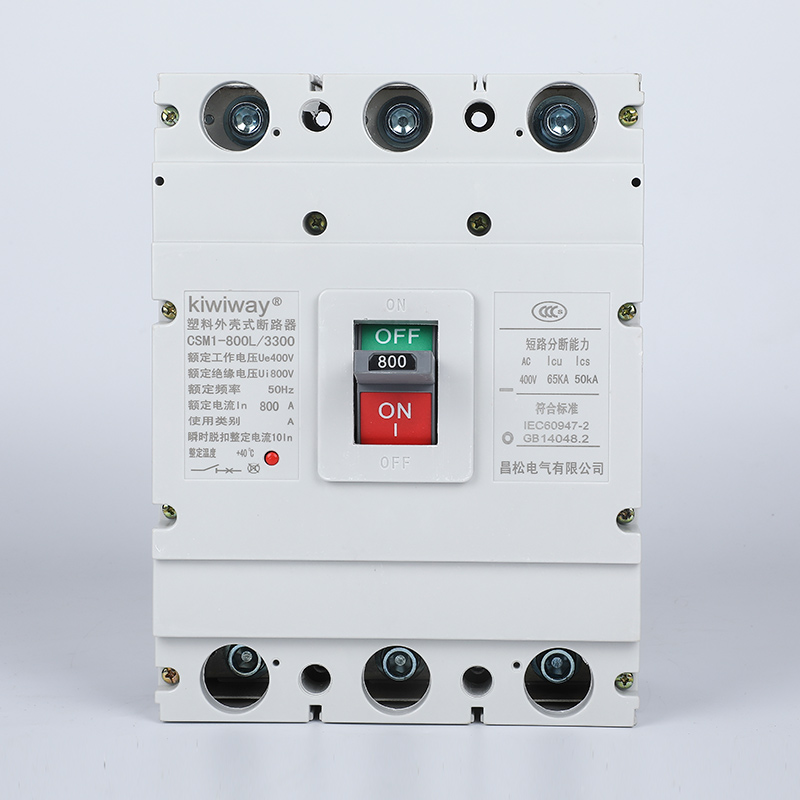
Most homes still run on standard circuit breakers, and for basic lighting or dedicated appliance circuits, they do the job just fine. But once you start mapping out where protection matters most, the choice gets less obvious. A standard breaker only reacts to overloads and short circuits—it won't notice the small arc faults that can start fires inside walls, nor will it sense the tiny ground leaks that can shock someone near a sink or outdoors.
AFCI breakers focus on fire prevention by catching dangerous electrical arcs before they escalate. Since arcs often occur in bedrooms, living rooms, and other areas with lots of hidden wiring, many electricians now recommend AFCI protection across entire dwelling units, not just bedrooms as older codes required. GFCI breakers, on the other hand, are all about personal safety—they trip within milliseconds when current escapes to ground, which is why kitchens, bathrooms, garages, and outdoor outlets have required them for decades.
The real question isn't which one is better overall, but which hazard you're guarding against in each specific space. Some areas benefit from dual-function breakers that combine both AFCI and GFCI in a single unit, especially laundry rooms or kitchens with both appliances and water sources. Before you swap anything, check your local electrical code and consider the age of your wiring—older circuits may trip more often under AFCI protection, and that's not a nuisance, it's a warning sign worth investigating.
Sizing a Breaker to Your Home's Actual Load
Most electricians size breakers by glancing at the appliance nameplate, but that misses how your home actually draws power. Start with a load calculation that accounts for everything running simultaneously, not just the largest single device. A 15-amp circuit can feel tight if a window AC, gaming PC, and microwave share the same run, even when each pulls far less than the breaker's rated trip point.
Treat continuous loads—anything expected to run for three hours or more—as 125% of their stated amperage. A 12-amp EV charger on a standard 15-amp breaker leaves almost no room for startup surges or voltage drop, so you'd step up to a 20-amp breaker with 12-gauge wire. The breaker protects the wire, not the device, so pairing a big breaker with thin conductors is where fires begin.
Before swapping breakers, check your panel's bus rating and the service entrance capacity. A 200-amp panel can't safely host a 100-amp subpanel if the total calculated load already sits near 160 amps. Size for worst-case real use, leave a 20% headroom buffer, and you'll avoid nuisance trips without turning the electrical system into a guess.
The Case for Spending a Little More on Reputable Brands
Buying from a well-known brand can feel like paying extra for the logo, but there's often a quieter value underneath. Reputable companies tend to have more at stake if a product fails, so they invest in consistent materials, better quality control, and customer service that actually answers. That doesn't mean every premium label is worth it, but the odds of getting a lemon drop noticeably when the brand has a track record to protect.
In categories where safety or longevity matter—think electrical gear, children's items, or anything that goes between you and the road—the margins for error are thin. A no-name alternative might cut costs by skipping certifications, using thinner gauge wire, or shortening warranty windows. Paying a bit more for a brand that backs its products with real testing and clear refund policies can save you from the hidden expense of replacing a failed buy or dealing with a fire hazard.
There's also the matter of time. Cheap products often cost less upfront but require more research, more returns, and more doubt. A reputable brand rarely needs a deep dive into user reviews just to confirm basic function. That saved time and reduced risk, spread over years of use, frequently justifies the higher price tag—not as a luxury, but as a practical filter against poor manufacturing.
Where Most DIY Installations Go Wrong
Most DIY installations don't fail because the materials are complicated—they fail because the surface underneath was never actually ready. A quick wipe-down isn't the same as removing dust, grease, or old adhesive residue. When you skip leveling or ignore a slight slope, the new floor, backsplash, or trim has to flex to fit, and that stress shows up later as gaps, cracks, or peeling edges.
Impatience around cure times causes its own set of problems. Caulk, grout, and construction adhesive need their full working window, but many people start walking on floors or mounting shelves hours too early. The bond may look set on the surface while it's still soft underneath, which means the failure happens gradually—often weeks after the tools are put away.
Another overlooked issue is treating product instructions as a rough guide instead of a requirement. A trowel notch one size too small leaves uneven adhesive coverage. Skipping the expansion gap around laminate or vinyl leads to buckling during the first humid week. Small details like these don't announce themselves immediately, which is why so many DIY installs look fine at first and then start to fail in ways that are hard to trace.
Simple Monthly Checks That Keep Your Panel Healthy
A quick visual once-over can catch most problems before they turn into expensive repairs. Open the outer door and look for dust buildup, moisture stains, or any discoloration around breakers and wire connections. If you spot rust, a burning smell, or melted insulation, tighten or replace those parts before the next big load hits the panel.
Use the back of your hand near the breakers to feel for unusual heat. A warm breaker under normal load is sometimes okay, but a hot one often means a loose connection or an undersized circuit. Give each breaker a gentle wiggle to make sure it is seated firmly, and listen for sizzling or crackling that points to arcing.
Once a month, trip and reset each GFCI and AFCI breaker to keep the internal test mechanism from getting sticky. Also check the panel schedule labels. If you have added or changed circuits, update the directory so the right breaker can be found fast in an emergency. These small routines take about ten minutes and reduce the chance of sudden failures.
FAQ
Panel compatibility matters more than brand loyalty. Look at the label inside your panel door for approved breaker types, then match that exactly—mixing lines like QO and Homeline can lead to loose connections or overheating.
Yes, especially for bedrooms and living areas. Arc fault protection catches damaged cords and loose wiring before a fire starts. The price difference is small compared to what a single electrical fire can cost.
If the whole circuit serves bathrooms, kitchen counters, or outdoor receptacles, a GFCI breaker saves you from installing multiple outlet devices. For a single location, an outlet is cheaper and easier to reset.
15 amps covers most LED and fixture loads. Go with 20 amps if you're running a home office with laser printers or a workshop bench, but make sure the wire gauge is 12 AWG for 20 amp circuits.
Sometimes. Smart breakers like Leviton's require a compatible load center or a retrofit kit. If your panel is older than 1990, it's often cheaper to add a subpanel with smart capabilities than to force new breakers into an aging bus bar.
Forgetting to torque the terminal screws. A loose connection creates resistance, heat, and nuisance tripping. Use a torque screwdriver and follow the manufacturer's inch-pound spec instead of guessing by feel.
Yes, any 240-volt appliance needs a double-pole breaker that spans two phases. Common sizes are 30 amps for dryers and 20–30 amps for water heaters, but always verify the appliance nameplate first.
Square D QO and Eaton CH are known for solid build quality and easy availability at supply houses. Siemens QP is a solid budget pick if your panel accepts it. Avoid off-brand imports that lack UL listing—they're not worth the fire risk.
Conclusion
A breaker's real job isn't just cutting power when you overload a circuit. It stops heat buildup inside walls before wire insulation can melt and ignite. Standard models handle basic overloads, but AFCI breakers go a step further by detecting the tiny electrical arcs that often start house fires, while GFCI protection shuts off current the instant it leaks to ground—critical in kitchens, bathrooms, and outdoor outlets. Choosing the right type for each room matters more than buying the highest amp rating. Sizing a breaker to your home's actual load, not just swapping in a bigger one to stop nuisance tripping, keeps the wiring safe. Oversized breakers let too much current flow through undersized wire, turning the wall itself into a heating element.
Spending a little more on reputable brands pays off because their trip curves and manufacturing tolerances are consistent. A cheap no-name breaker might not trip within the specified time, and that delay is all a fire needs. Most DIY installations go wrong when people double-tap terminals, mix breaker brands inside a panel, or ignore torque specifications on connections. Loose connections create resistance and heat even at normal loads. Simple monthly checks don't require an electrician: run your finger along the panel cover to feel for unusual warmth, listen for buzzing or crackling, and flip each breaker once or twice a year to keep the mechanism from sticking. If you ever smell a faint fishy or burning odor near the panel, shut off the main and call a licensed pro immediately. These habits keep a home's electrical protection working long after installation.
Contact Us
Contact Person: Tonglun Chen
Email: [email protected]
Tel/WhatsApp: 8618906642555
Website: https://www.cncsele.com