

Top Dust Suppressant Solutions for Unpaved Roads to Control Fugitive Dust
2026-07-21
Unpaved roads are notorious for kicking up clouds of dust that threaten air quality, driver safety, and community health. If you're searching for a real fix, it’s time to look beyond temporary sprays. MST brings a smarter approach—engineered dust suppressants that lock down fines for the long haul, even under heavy traffic. Let's dig into how the right solution turns a dirt road from a liability into a lasting asset.
Calcium Chloride: Affordable and Widely Available Dust Control
When it comes to keeping dust down on unpaved roads, construction sites, or even parking lots, calcium chloride stands out as a practical choice that doesn’t break the bank. This simple salt has been used for decades to tackle airborne dust, and its low cost combined with reliable performance makes it a favorite among municipalities and private contractors alike. Compared to many synthetic dust suppressants, calcium chloride is easy on the budget while still delivering noticeable results.
The secret lies in its ability to pull moisture from the air. Calcium chloride is hygroscopic, meaning it absorbs water vapor and retains it within the road surface. That added moisture keeps fines and aggregate particles bound together, preventing them from becoming airborne when vehicles pass by. Even in relatively dry conditions, a treated surface stays damp and cohesive for extended periods, drastically cutting down dust generation without constant reapplication.
Another major advantage is just how easy it is to source. Calcium chloride can be found in flake, pellet, or liquid form through agricultural suppliers, hardware stores, and industrial chemical distributors across the country. Whether you need a small amount for a private lane or bulk quantities for miles of gravel road, it’s readily available without long lead times. This combination of affordability, simplicity, and widespread accessibility keeps it at the top of the list for cost-effective dust control.
Magnesium Chloride: The Hygroscopic Alternative That Lasts Longer
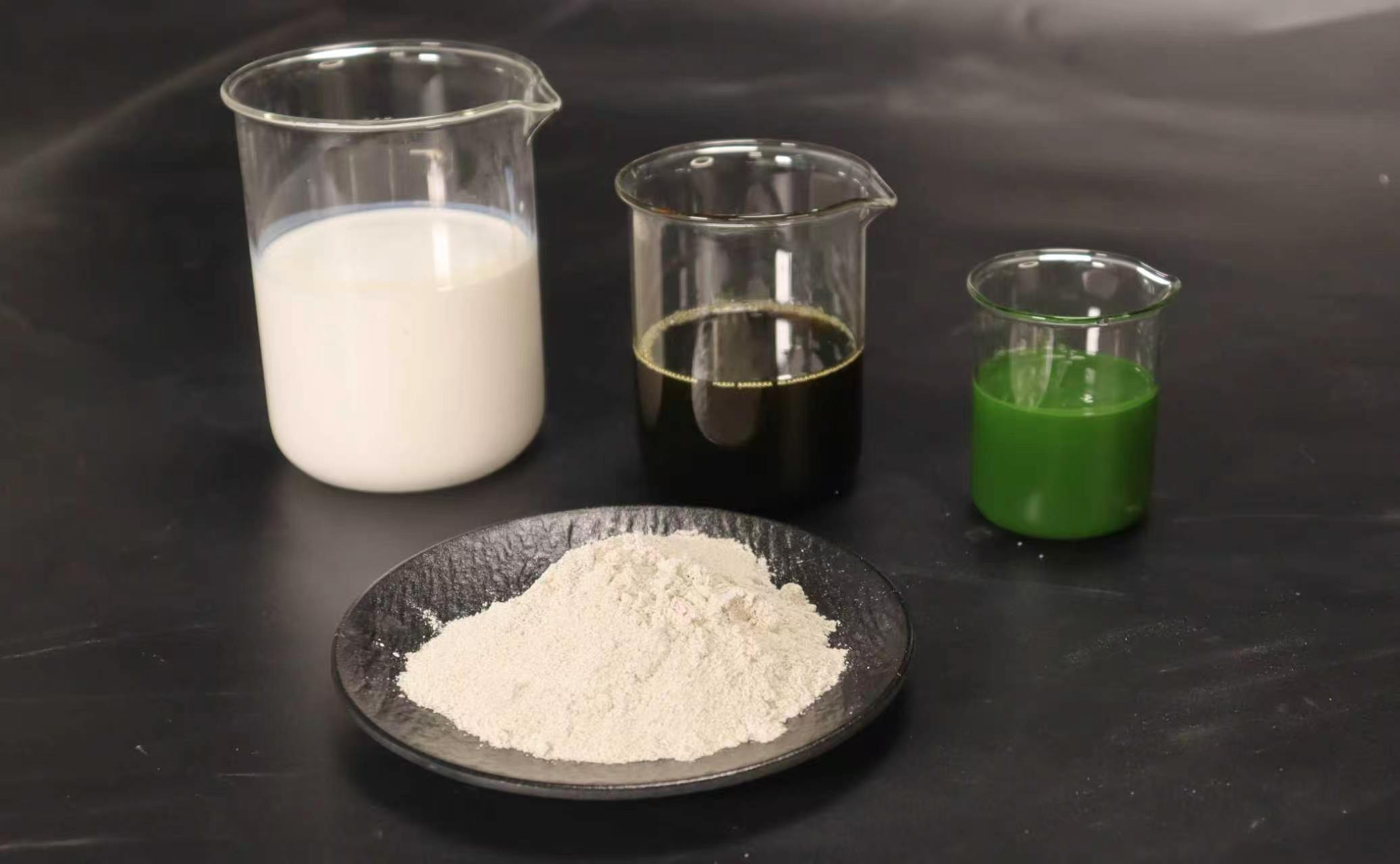
Unlike rock salt that bounces off icy surfaces or calcium chloride that turns pavements into a slippery brine, magnesium chloride does something clever: it actively pulls moisture from the air. This hygroscopic nature means it can form a bond with the ice even in the coldest temperatures, creating a gritty, anti-skid surface while melting from both the top and bottom. The result isn’t just faster melting—it’s a longer-lasting effect that reduces the need for repeat applications, which anyone who’s had to re-salt their driveway mid-storm will appreciate.
The real magic happens overnight. Because it doesn’t just dissolve into the first flush of meltwater, magnesium chloride stays put, clinging to surfaces like a stubborn but helpful guest. That persistence translates to fewer freeze-thaw cycles eating away at concrete and asphalt, and less corrosion on metal handrails or thresholds. For homeowners with intricate hardscaping or commercial lots where safety is paramount, it’s a quiet workhorse that keeps working while you sleep.
And it’s not just about durability—it’s about damage control. Standard deicers can leach into soil and scald plant roots, but magnesium chloride tends to stay where it’s needed, breaking down into nutrients plants can actually use. Pair that with its low toxicity to pets and you’ve got a melt compound that makes sense for cedar decks, stamped concrete, and even sensitive vegetation strips along walkways. It’s the sort of choice people make when “good enough” won’t cut it and they’re tired of watching their lawn turn brown by spring.
Lignin Sulfonate: How Paper Industry Byproducts Bind Road Dust
Driving down an unpaved road often means trailing a cloud of dust that coats everything in sight. But what if the solution to this gritty nuisance was quietly brewing inside paper mills all along? Lignin sulfonate, a naturally derived substance left over from turning wood into pulp, has become a surprising ally in the fight against airborne road dust. Instead of discarding this watery residue, engineers discovered it could act as a powerful glue once sprayed onto gravel and dirt surfaces, tightly gripping loose particles and keeping them grounded.
The magic lies in lignin's sticky, water-loving nature. When lignin sulfonate solutions seep into the road base, they form a thin, flexible crust as moisture evaporates. This crust continuously rebinds tiny soil and stone fragments, even under the scouring pressure of tires and wind. Unlike heavy oils or synthetic polymers that can leach chemicals, lignin sulfonate comes from trees and breaks down harmlessly over time. It also resists washing away in light rain while allowing the road to breathe, preventing puddling and maintaining traction.
Communities are taking note because the benefits reach far beyond clearer air. Stabilizing unpaved roads with this byproduct slashes gravel loss, meaning fewer expensive regrading cycles and less heavy equipment rolling through. It cuts water usage for conventional dust suppression in half during dry seasons. And since it's a repurposed material, every gallon spread is one less entering mill wastewater streams. From Scandinavian logging trails to rural school bus routes, lignin sulfonate is quietly turning a disposal headache into a low-cost, sustainable paving secret.
Synthetic Polymer Emulsions for a Hard, Durable Surface
Synthetic polymer emulsions are transforming the way we achieve resilient, long-wearing surfaces. Unlike traditional solvent-based coatings, these waterborne systems rely on fine polymer particles suspended in water, which coalesce into a continuous film as the water evaporates. This process creates a tightly interlocked network that resists abrasion, chemicals, and moisture far better than many conventional alternatives. The result is a surface that remains hard and intact even under heavy traffic, harsh weather, or daily wear—ideal for demanding environments like industrial floors, furniture, and outdoor decks.
What truly sets these emulsions apart is their tailorability at the molecular level. By adjusting the monomer composition, crosslinking density, and particle morphology, chemists can dial in specific hardness, flexibility, and adhesion properties. For instance, incorporating styrene or methyl methacrylate boosts hardness and stain resistance, while acrylic monomers enhance UV stability and clarity. This customization allows formulators to produce coatings that are not just surface protectants but problem-solvers—whether that means a high-gloss finish that resists scuffs or a matte layer that withstands scrubbing without losing its integrity.
Beyond performance, synthetic polymer emulsions align seamlessly with modern environmental and safety standards. With negligible volatile organic compounds (VOCs) and no need for hazardous solvents, they offer a cleaner application process and better indoor air quality. The shift toward these water-based systems has unlocked new possibilities for durable surfaces in homes, schools, and healthcare settings where toxicity is a critical concern. In essence, they merge toughness with conscientious chemistry, proving that a hard-wearing surface doesn't have to come at the expense of sustainability or human well-being.
Organic Options: Soy-Based and Beet Juice Dust Suppressants
Soy-based dust suppressants offer a compelling organic solution drawn from a renewable agricultural byproduct. After soybean oil extraction, the leftover meal gets processed into a sticky, binding agent that coats soil or gravel surfaces, locking fine particles in place. Unlike some synthetic tackifiers, the soy compound biodegrades gradually, leaving no toxic residue behind. It works particularly well in areas where vegetation is desired later, since it adds a modest nitrogen boost to the soil as it breaks down. Users appreciate that it doesn’t turn slick when wet, a common complaint with petroleum-based binders.
Beet juice, often sourced from sugar beet processing waste, has carved out a niche as a surprisingly effective dust suppressant. The natural sugars and carbohydrates form a hygroscopic layer that draws moisture from the air, keeping roads and work sites damp longer than water alone would. It blends easily with brines for winter use or stands alone for summer dust control. The dark brown liquid can stain temporarily but rinses harmlessly away, and its distinctive aroma disappears quickly. Field tests in arid regions show it can reduce watering frequency by up to half, saving both water and labor.
Choosing between soy and beet juice often comes down to climate and site conditions. Soy-based products cling better in high-traffic areas where abrasion resistance matters, while beet juice shines in dry, low-humidity environments by pulling ambient moisture into the surface. Both align with tightening environmental regulations and appeal to communities pushing for green alternatives. Their supply chains also support agricultural markets, giving growers an extra revenue stream for what was once considered waste.
Combining Water and Additives to Boost Effectiveness on a Budget
Water is the unsung hero in many cleaning and maintenance routines, but on its own, it often lacks the punch needed for tougher jobs. By strategically incorporating inexpensive additives, you can transform plain water into a high-performance solution without stretching your wallet. Think of it as giving water a tailored upgrade—whether it's a dash of white vinegar to cut through grime or a spoonful of baking soda to tackle odors and stains. The key lies in understanding the science behind these combinations, so each drop works harder for you.
Start by identifying the specific challenge you're facing. For general surface cleaning, a mix of water and a mild dish soap creates a versatile spray that lifts dirt without harsh chemicals. If you're dealing with hard water residue or soap scum, a slightly acidic blend—like water and citric acid powder—works wonders and costs pennies per use. Even just altering the water's temperature can amplify an additive's performance: warm water accelerates the dissolving of solid additives and boosts the degreasing action of soaps. It's all about matching the right additive to the task and measuring carefully to avoid waste.
Don't overlook the power of letting these simple mixtures sit for a moment. Allowing a water-and-additive solution to dwell on a surface gives it time to penetrate and break down filth, so you scrub less. For outdoor tasks like washing a car or patio furniture, a bucket of water with a capful of car wash concentrate or a few drops of baby shampoo provides slick lubricity to prevent scratches while lifting dirt gently. The beauty of these water-based combinations is their adaptability—you control the strength and cost, sidestepping pricey ready-made alternatives while still getting professional-grade results.
FAQ
Fugitive dust refers to tiny particles that get kicked up into the air from surfaces like unpaved roads. On these roads, vehicle traffic, wind, and weather can stir up large amounts of particulate matter. This dust not only reduces visibility for drivers but also poses serious health risks when inhaled, contributes to air pollution, and can damage nearby crops and property.
For heavily used gravel roads, calcium chloride is often the most reliable choice. It pulls moisture from the air and keeps the road surface damp, which binds the particles together and prevents them from becoming airborne. It also works well year-round if humidity isn't extremely low. Magnesium chloride is another solid option, though it performs better in arid climates.
Absolutely. Lignin sulfonate, a byproduct of the paper industry, is a popular natural binder. It forms a crust on the road when it dries, holding fines in place. Plant-based oils and soybean extracts are also being used more often because they're biodegradable and less harmful to surrounding vegetation and water sources.
It depends on the product, traffic, and weather. Liquid chlorides might need reapplication every few weeks in dry seasons, while more durable polymers can last several months. A well-compacted road surface with good drainage can also extend the time between treatments. Regular grading before application helps the suppressant penetrate deeper and perform better.
You'll want something that's non-toxic and won't leach into soil or water. Magnesium chloride and lignin-based products tend to be safer for animals and crops when applied correctly. Avoid petroleum-based binders that can release harmful fumes or contaminate feed areas. Checking the product's safety data sheet and local environmental guidelines is a must.
Yes, a layered approach often works well. For instance, applying a chloride solution first to moisten and stabilize, then following up with a polymer or organic binder can create a tough, long-lasting crust. This combination handles both initial wetting and ongoing erosion control, making it ideal for roads with moderate to heavy use.
Conclusion
Unpaved roads constantly battle fugitive dust, but a range of tailored suppressants can turn the tide. For cost-conscious projects, calcium chloride stands out for its affordability and moisture-attracting properties, pulling humidity from the air to keep surfaces damp. Where longevity matters more, magnesium chloride offers a longer-lasting hygroscopic effect with less frequent reapplication. When the goal is binding particles together, lignin sulfonate—a byproduct of paper mills—proves both effective and environmentally resourceful, forming a crust that stabilizes loose aggregates. For high-traffic or industrial needs, synthetic polymer emulsions create a hard, almost pavement-like crust that withstands heavy wear, dramatically reducing maintenance cycles.
In parallel, organic alternatives are gaining ground: soy-based and beet juice solutions provide renewable, non-toxic options that penetrate deeply and suppress dust without harming adjacent ecosystems. For those with limited budgets, a strategic mix of water and low-dose additives can boost performance substantially—simple wetting agents enhance penetration, making every drop count. The key is matching the suppressant to the road's specific demands: traffic volume, climate, and environmental sensitivity. By combining these approaches or choosing the right single solution, road managers can achieve lasting dust control that balances cost, durability, and ecological impact without sacrificing results.
Contact Us
Contact Person: Helen
Email: [email protected]
Tel/WhatsApp: 86 18630661160
Website: https://www.roadmilestone.com/