

Top HVAC Retrofit Upgrades That Cut Energy Bills and Boost Home Comfort
2026-09-22
Most homeowners don't realize their HVAC system is quietly draining money—until the first brutal utility bill arrives. Retrofitting isn't just about swapping parts; it's about unlocking comfort zones and slashing energy waste that older setups tolerate. Whether you're eyeing smart thermostats, duct sealing, or a full blower-door upgrade, the right moves can transform a drafty house into a tight, efficient retreat. At Tongbaote, we've seen how small changes compound into serious savings—and this guide breaks down the top retrofit upgrades that actually deliver.
Stop Duct Leaks Before Touching the Thermostat
Most homes lose a surprising amount of conditioned air through gaps and cracks in the ductwork before it ever reaches a single room. If you're constantly nudging the thermostat to chase comfort, walk your basement or attic and run a hand along the main trunk lines. You'll likely feel cool drafts in summer or warm seeps in winter where metal sections join, or where flexible ducts have pulled loose from their collars. Sealing those leaks with mastic or foil tape costs less than a takeout dinner, yet it can immediately reduce how hard your system has to work.
Consider this: a typical duct system leaks 20 to 30 percent of the air moving through it. That means for every dollar you spend heating or cooling, a quarter or more is literally disappearing into the walls. By tackling visible leaks first, you give your thermostat a realistic chance to do its job. After sealing, you may notice the system cycles less often, rooms feel more even, and you stop adjusting the temperature out of frustration. Only after the ducts are tight should you even think about changing thermostat settings or upgrading equipment.
A simple smoke pencil or incense stick can help you pinpoint smaller leaks that your hands miss. Hold it near duct joints while the fan runs; any flicker or drift points to an escape route. Once sealed, many homeowners are surprised to find their old thermostat setting suddenly feels too cold or too warm—because the conditioned air now actually reaches the living spaces. That's the true test: comfort should come from the airflow, not from constantly overriding the controls.
Put an ECM Motor in That Old Air Handler
Swapping the motor in an old air handler for an ECM unit is one of the most practical upgrades you can make without replacing the whole cabinet. Most older equipment still runs a fixed-speed PSC motor, which pulls full amps even when the system doesn't need it. An ECM responds to duct static pressure and ramps down to a lower speed, so the electrical draw drops and the usual hum becomes a soft background murmur.
Before ordering, measure the existing motor's frame size, shaft diameter, and rotation direction. ECM motors are usually heavier and a bit longer, so check clearance near the blower wheel and reinforce the mounting bracket if it flexes. If the old control board lacks a PWM signal, pick a constant-torque or constant-airflow ECM model, or add a simple 0-10V interface module—no need to rip out the original controls.
During setup, set the minimum speed high enough to avoid coil icing or electric heat tripping on low airflow. Old ductwork often has small leaks that become audible at reduced fan speeds, so sealing accessible seams before final balancing makes a noticeable difference. For a half-day job, the cut in energy use and the quieter startups quickly pay back the effort.
Zone the Bedrooms Instead of Heating the Stairs
Most homes waste a surprising amount of heat on stairwells and landings where nobody lingers. If your heating system allows room-by-room control, shift the focus to bedrooms after dark: turn down or shut off radiators in hallways and staircases, and keep the doors between those spaces and the sleeping areas closed. This simple change directs warmth where you actually rest instead of letting it drift upward through open stairwells.
In houses with zoned heating, set the bedroom zone to a comfortable sleeping temperature about an hour before bedtime, while leaving the stair and entry zones at a much lower setpoint. If you don't have built-in zoning, use thermostatic radiator valves on bedroom radiators and manual valves on stair radiators. You can also add a small fan-assisted heater in a cold bedroom rather than warming the entire stair core, which often costs less than keeping a large uninsulated hallway heated all night.
Pay attention to how air moves between floors. Warm air rises naturally, so heating a stairwell often means most of that heat ends up near the ceiling or escapes to upper floors. By isolating bedrooms as their own comfort zones, you avoid paying to heat a passageway. For extra comfort, use heavy curtains or draught excluders on bedroom doors, and check that radiator reflectors are fitted in rooms you actually use, not in stairways.
Let a Heat Pump Do the Heavy Lifting
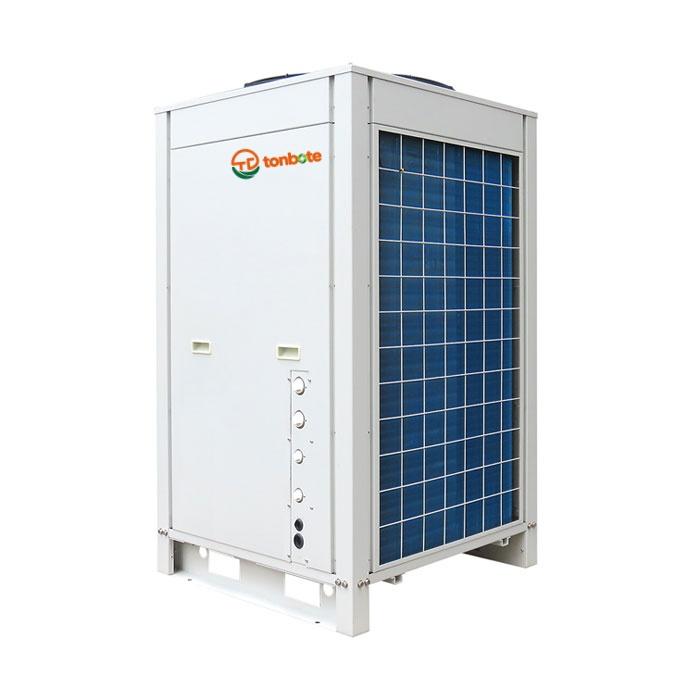
The real appeal of a heat pump is that it doesn't generate heat; it moves it. In winter, it pulls thermal energy from outdoor air, even when temperatures hover near freezing, and pumps it indoors. That simple shift means a well-sized unit can carry most of your heating load while drawing far less electricity than resistance heat or a conventional furnace.
Because one system handles both heating and cooling, the heat pump becomes the quiet workhorse of the house. Instead of running a furnace in January and a separate air conditioner in July, you let the same outdoor unit do the heavy lifting year-round. That reduces the number of fuel-burning appliances indoors and frees up floor space for something other than a dedicated utility closet.
Modern cold-climate models are built for exactly this job. They keep delivering usable heat well below zero and ramp down to a gentle hum during milder weather, so you're not paying for full power when a fraction will do. Over time, the lower energy draw tends to show up as a smaller utility bill and fewer repair calls than a system that runs at full blast every season.
Add Fresh Air Without the Draft via HRV
A heat recovery ventilator solves a common winter problem: you want fresh air, but opening a window lets in a freezing blast. An HRV brings in outdoor air through a dedicated duct while simultaneously exhausting stale indoor air. The two airstreams pass through a heat-exchange core, where warmth from the outgoing air is transferred to the incoming air — without the two ever mixing. By the time outside air reaches your living space, it’s been tempered to a much more comfortable temperature.
That means no more choosing between stuffy air and a cold draft. The incoming air doesn’t feel like a gust from outside; it blends quietly into the room. You get consistent ventilation that removes moisture, odors, and CO₂ while keeping indoor heat where it belongs. The result is a fresher home that stays warm and stable, even on the coldest days.
Insulate the Attic Hatch and Rim Joists
Most homes lose a surprising amount of heat through two often-overlooked spots: the attic hatch and the rim joists. The attic hatch is basically an uninsulated door in your ceiling, letting warm air escape straight up in winter and letting hot air seep in during summer. Meanwhile, rim joists—the wooden boards sitting on top of your foundation walls around the perimeter of the basement or crawlspace—are frequently left with little or no insulation, creating cold spots along the floor edges upstairs.
Fixing both areas is a straightforward weekend project. For the attic hatch, attach rigid foam board to the top side of the hatch door, then add weatherstripping around the frame so it seals tightly when closed. For rim joists, cut rigid foam or mineral wool batts to fit snugly between the floor joists against the rim board, then seal every edge with caulk or expanding foam. This blocks drafts and keeps the floor above noticeably warmer in cold months.
Beyond comfort, insulating these spots also reduces moisture problems. Cold rim joists in summer can collect condensation, leading to mold and rot over time. By sealing and insulating them, you keep the framing dry and extend the life of your house. The same goes for the attic hatch—a sealed hatch prevents humid indoor air from reaching the attic, where it could condense on the roof sheathing. It’s a small effort that pays off in lower energy bills and fewer hidden issues.
FAQ
Start by sealing and insulating your ductwork. Leaky ducts waste a surprising amount of conditioned air, and fixing them often pays for itself within a few years.
Yes, because it learns your routine and stops heating or cooling empty rooms. Even small setbacks during sleep or errands add up, and remote control lets you adjust when plans change.
Modern cold-climate heat pumps work efficiently well below freezing. Pairing one with your existing furnace as a dual-fuel system gives you gas backup only on the coldest days.
A variable-speed or ECM blower runs at lower speeds most of the time, which uses far less electricity and keeps airflow steady. That means fewer temperature swings and quieter operation.
Usually yes if upper and lower floors have different heating and cooling needs. Zoning with dampers and separate thermostats lets you stop overheating the upstairs to keep the main floor warm.
Tightening the house without adding controlled ventilation can trap humidity and pollutants. An energy recovery ventilator brings in fresh air while transferring heat, so you don't lose all the conditioned air.
Not directly. Denser filters can restrict airflow and make the system work harder. Choose the MERV rating your equipment can handle, and focus on sealing and controls for actual savings.
It varies, but duct sealing and smart controls often pay back in two to five years. Bigger items like heat pumps or zoning might take longer, though they also add home value and daily comfort.
Conclusion
Most homeowners reach for the thermostat first, but real savings hide in the ductwork. Sealing leaky ducts before adjusting temperature settings keeps conditioned air where it belongs—inside living spaces, not attics or crawl spaces. Swap that old air handler motor for an electronically commutated motor (ECM) and you'll see the blower use a fraction of the electricity while ramping smoothly through low and high stages. Zoning bedrooms separately from stairwells and hallways stops paying to heat unused transitional space, directing warmth or cooling only where people sleep and gather. A heat pump can shoulder most of the heating load, even in cold climates, cutting fossil fuel use and operating costs dramatically. Pairing it with a heat recovery ventilator (HRV) brings in fresh outdoor air without the chilling draft, preserving indoor air quality while retaining energy.
Often the least glamorous spots make the biggest difference. Insulating the attic hatch and rim joists closes two of the most common thermal bypasses, reducing stack effect and keeping the top and bottom of the house from leaking conditioned air. These retrofits work best as a package—tighten the envelope, right-size the airflow, and let smarter motors and zoning match output to actual demand. The result isn't just a lower utility bill; it's a home that feels less drafty, holds temperature longer between cycles, and delivers comfort in every room without cranking the thermostat. Skip the gimmicks and start with the fixes proven to move the needle.
Contact Us
Contact Person: Wanshu Chen
Email: [email protected]
Tel/WhatsApp: +86-13662871206
Website: https://www.mbcee.com