

Top Solar Street Lights: Illuminate Your Pathway with Sustainable Brilliance
2026-07-08
Imagine streets that glow gently after dusk, powered by nothing but the sun. Solar street lights are reshaping our neighborhoods, blending eco-friendly innovation with reliable illumination. As more communities seek sustainable brilliance, choosing the right light becomes a game-changer—and that’s where SRS leads the pack. Whether you’re lighting a garden path or a sprawling avenue, SRS designs turn solar potential into everyday magic. Ready to discover how top-tier solar street lights can transform your pathway? Let’s shed some light on the brightest options out there.
Harness the Sun for Safer, Smarter Streets
From dimly lit corners to bustling intersections, solar-powered lighting is reshaping how we experience public spaces after dark. By storing sunlight during the day, these systems deliver reliable illumination without straining local power grids. The result? Fewer dark zones, reduced accident risks, and a genuine sense of security that encourages evening foot traffic.
Beyond simple bulbs, solar tech now fuels smart sensors that adapt to real-time conditions. Crosswalk signals brighten when pedestrians approach, while traffic monitors adjust timing based on actual flow—all running on clean energy. It's a quiet revolution, turning ordinary roads into responsive networks that prioritize both safety and efficiency.
Choosing Your Perfect Solar Street Light: A No-Nonsense Guide
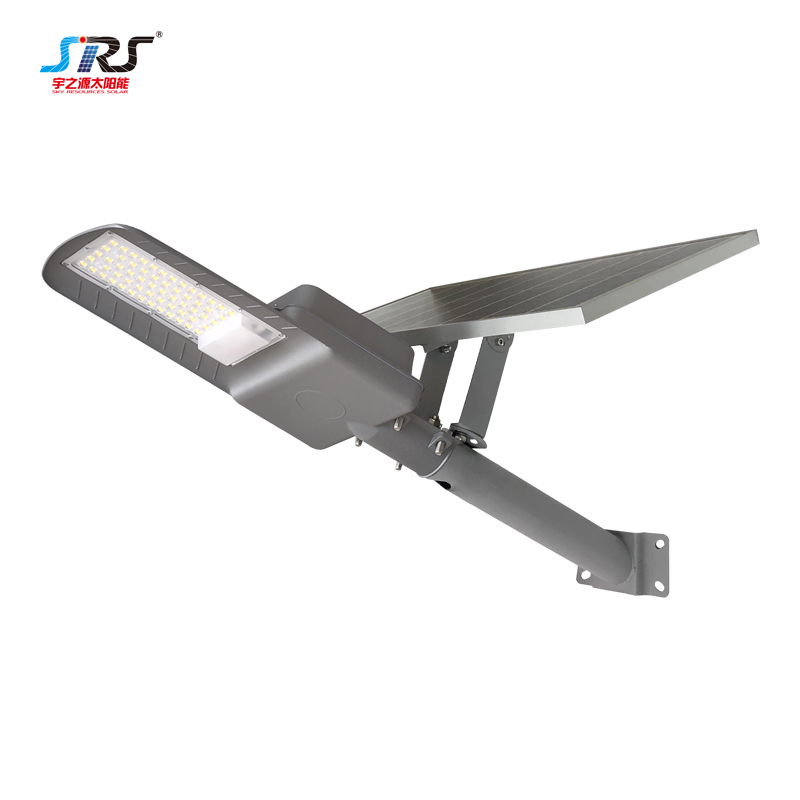
Picking the right solar street light starts with nailing down where and how it’ll be used. A quiet residential lane doesn’t need the same brute brightness as a busy parking lot or a public pathway. Think about the width of the area, how late it’s active, and any local light pollution rules. This upfront clarity stops you from overspending on lumens you don’t need—or underequipping a spot that demands reliability.
Next, zero in on the battery and panel quality because that’s what keeps things running when the sun isn’t cooperating. Cheaper units often cut corners here, leaving you with dim lights after a few cloudy days. Look for LiFePO4 batteries and monocrystalline panels—they hold up better and charge faster in low light. And don’t just trust the specs; dig into real-world reviews to see if the system actually delivers through a full night, especially in winter.
Finally, pay attention to the control features that match your rhythm. Basics like dusk-to-dawn sensors are fine, but if you want to save extra energy, motion dimming or time-based settings can stretch performance without sacrificing safety. A well-tuned controller also protects the battery from overcharging or deep discharge, which directly impacts lifespan. Skip any model that forces you into a rigid on/off pattern—flexibility is what makes these lights genuinely low-maintenance.
Installation Made Simple: From Box to Brilliance in Hours
Unboxing your new setup feels less like a chore and more like the start of something exciting. Inside, every piece has its place—clearly labeled, intuitively grouped, and wrapped without a hint of wasteful excess. You won’t find a jumble of cryptic parts or a manual that reads like a legal document. Instead, it’s a clean, inviting layout that practically guides your hands to the first step.
Assembly flows naturally from there, with snap-together components and color-matched guides that turn guesswork into a distant memory. No specialized tools, no obsessive bolt-tightening—just a smooth, almost therapeutic process that has you watching the clock out of sheer disbelief. In the time it takes to watch a movie, you’ll be standing in front of a fully functional centerpiece, ready to impress.
If you ever need a nudge, a quick phone scan pulls up an interactive visual guide tailored to your exact model. It shows your progress in crisp 3D, so you’re never left flipping through generic diagrams. The whole experience is designed to feel human—straightforward, forgiving, and oddly satisfying, like assembling premium furniture without the existential crisis.
The Tech Behind the Glow: What Powers Modern Solar Street Lights
Modern solar street lights are far more sophisticated than their early counterparts. At the heart of each unit is a high-efficiency photovoltaic panel, typically made from monocrystalline or polycrystalline silicon, which captures sunlight and converts it into electrical energy. These panels have become remarkably efficient, with some models achieving conversion rates above 20%, ensuring that even on cloudy days, enough energy is harvested to keep the lights operational.
The energy collected is stored in advanced battery systems, shifting away from traditional lead-acid batteries to lithium-ion or LiFePO4 batteries. These modern batteries offer longer lifespans, higher energy density, and better performance in extreme temperatures. They are also maintenance-free, reducing long-term costs and environmental impact. Intelligent battery management systems monitor charge levels and prevent overcharging or deep discharging, optimizing battery health.
Illumination comes from high-lumen LEDs, which consume minimal power while delivering bright, focused light. Coupled with smart controllers, these lights can automatically adjust brightness based on ambient light sensors, motion detection, or preset schedules. This dynamic dimming conserves energy and extends lighting time, especially during nights with low pedestrian traffic. The entire system is designed to be self-sufficient, with wireless connectivity allowing remote monitoring and control in many urban installations.
Keep Them Shining: Maintenance Secrets for Long-Lasting Performance
A little regular attention goes a long way in preserving that fresh-from-the-box brilliance. Start by wiping down surfaces after each use with a soft, slightly damp cloth to catch dust and grime before they settle in. For materials like leather or polished metals, a pH-balanced cleaner tailored to the surface can prevent dulling and micro-scratches without stripping away natural lustre.
It’s not just about cleaning — protection seals the deal. After you’ve removed the day’s buildup, apply a thin, even layer of conditioner or sealant. The trick is to let it absorb fully, then buff gently with a dry microfiber cloth to bring out that deep, even sheen. This extra step creates a barrier that fights off moisture, UV haze, and the invisible wear that slowly steals the spark.
Finally, store your prized possessions in their preferred environment. Keep them away from direct sunlight, radiators, or damp corners, as temperature swings and humidity are silent killers of gloss and shape. Tuck them into breathable covers or simply in a cool, dry space when not in use. Small habits like these mean your favourites stay luminous for years, not just weeks.
Beyond the Road: Unexpected Places Solar Street Lights Excel
Solar street lights have long been a fixture along highways and city streets, but their true versatility shines when they step off the beaten path. Remote hiking trails now glow with a soft, reliable light that requires no trenching or grid connection, preserving the natural landscape while making night treks safer. Similarly, sprawling rural farms use these lights to illuminate equipment sheds and animal pens, reducing reliance on diesel generators and cutting operational hums to a whisper.
In coastal villages prone to salt-laden winds, solar street lights stand resilient where traditional wiring would corrode in months. They light up wooden piers and seafood markets with a warm, steady glow, extending the day for fishermen and vendors. Community gardens tucked into urban forgotten corners also find new life under their beams, gathering neighbors for evening harvests and story swaps without the fuss of extension cords or rising utility bills.
Perhaps the most surprising adoption comes from floating solar installations on reservoirs and aquaculture ponds, where the lights do double duty—illuminating walkways and attracting insects for fish to feed on. Far from any power pole, these self-sufficient units prove that solar street lights are no longer just for roads; they are quietly redefining how we think about outdoor lighting in places we least expect.
FAQ
Solar street lights harness the sun's energy during the day, storing it in batteries to power efficient LEDs at night. This eliminates the need for grid electricity, reduces carbon footprint, and offers consistent lighting even in remote areas without complicated wiring.
High-quality models come with advanced battery systems that store surplus energy, allowing them to operate for multiple nights on a single full charge. Even in overcast conditions, they can maintain reliable illumination, though backup periods vary by design.
Not at all. Most units are designed for simple, tool-free installation with pre-assembled components and wireless design. You just need to secure the pole and mount the fixture, making it a perfect DIY project for homeowners or a quick job for professionals.
They're remarkably low-maintenance. Occasional cleaning of the solar panel to remove dust and debris, plus a periodic check on the battery every few years, ensures years of trouble-free operation. LED bulbs often last over 50,000 hours.
Absolutely. Modern solar street lights blend sleek, minimalist designs with functional elegance. Many feature decorative elements or adjustable light temperatures, from warm vintage glows to crisp daylight white, letting you create the perfect ambiance.
Look for lumens, not watts. A soft-lit garden path may need 100-300 lumens per fixture, while a driveway or street requires 700-1300 lumens or more. Also consider motion sensors and dimming modes to balance safety and energy efficiency.
Conclusion
Solar street lights represent a quiet revolution in outdoor lighting—harnessing the sun to deliver reliable, eco‑friendly illumination without trenching or grid ties. Unlike outdated halogen floods, today’s top performers pair high‑efficiency monocrystalline panels with adaptive LEDs and lithium‑iron‑phosphate batteries that shrug off deep discharges. This marriage of components means a single fixture can cast crisp, wide‑beam light from dusk until dawn, even after cloudy stretches, while motion sensors and dusk‑to‑dawn programming slash unnecessary energy burn. The result? Safer sidewalks, smarter public spaces, and a dramatic drop in municipal electricity bills—all achieved without sacrificing brightness or reliability.
Installation is refreshingly straightforward: most units require only a pole and a few bolts, and many are pre‑configured for tool‑free angle adjustment. Once up, the real genius lies in their set‑and‑forget character. Rain, snow, and salty coastal air are weathered by IP65‑rated housings and anti‑corrosion finishes, while built‑in battery management systems guard against overcharging and freezing. Routine care amounts to an occasional panel wipe and a quick seasonal inspection. Beyond traditional roadways, these lights thrive in spots where trenching is a nightmare—remote trails, RV parks, boat ramps, and off‑grid bus stops. By blending thoughtful design with rugged self‑sufficiency, they transform neglected dark corners into brilliantly safe, sustainable landmarks.
Contact Us
Contact Person: kitty
Email: [email protected]
Tel/WhatsApp: +8618676039824
Website: https://www.srssolargroup.com/