

Top Ultrasonic Cavitation Machine: The Ultimate Guide to Non-Invasive Body Contouring
2026-08-06
Looking to reshape your body without surgery? Ultrasonic cavitation is taking the aesthetic world by storm, offering a pain-free path to fat reduction. With Omeina leading the innovation, cutting-edge technology now brings spa-grade results right to your home. Intrigued by how sound waves can contour your curves? Let’s explore the science and secrets behind this top-rated treatment.
How Ultrasonic Energy Targets and Shrinks Fat Cells
The process begins with a specialized handpiece that emits low-frequency sound waves, penetrating the skin without harming its surface. These waves create a gentle yet powerful pressure oscillation within the subcutaneous fat layer, causing microscopic bubbles to form around the fat cells. This controlled phenomenon, known as acoustic cavitation, destabilizes the adipocyte membranes from the outside in, making them temporarily permeable.
Once the fat cell walls are compromised, the stored triglycerides spill into the interstitial space. The body interprets this as a metabolic cue, mobilizing the released lipids through the lymphatic system. Instead of a sudden flood, the fatty acids are gradually processed by the liver over several weeks, mimicking the natural fat-burning pathway. This staged elimination prevents overwhelming the body’s clearance mechanisms and contributes to the treatment’s safety profile.
The shrunken fat cells remain alive but significantly reduced in volume, creating a visible contour change. Unlike cell destruction methods, this approach maintains the structural network of the tissue, which helps prevent post-treatment irregularities. The selective nature of the ultrasound frequency ensures that surrounding nerves, blood vessels, and connective tissue stay undisturbed, making the experience comfortable while still delivering measurable inch loss in targeted areas.
Features That Actually Matter When Buying a Cavitation Machine
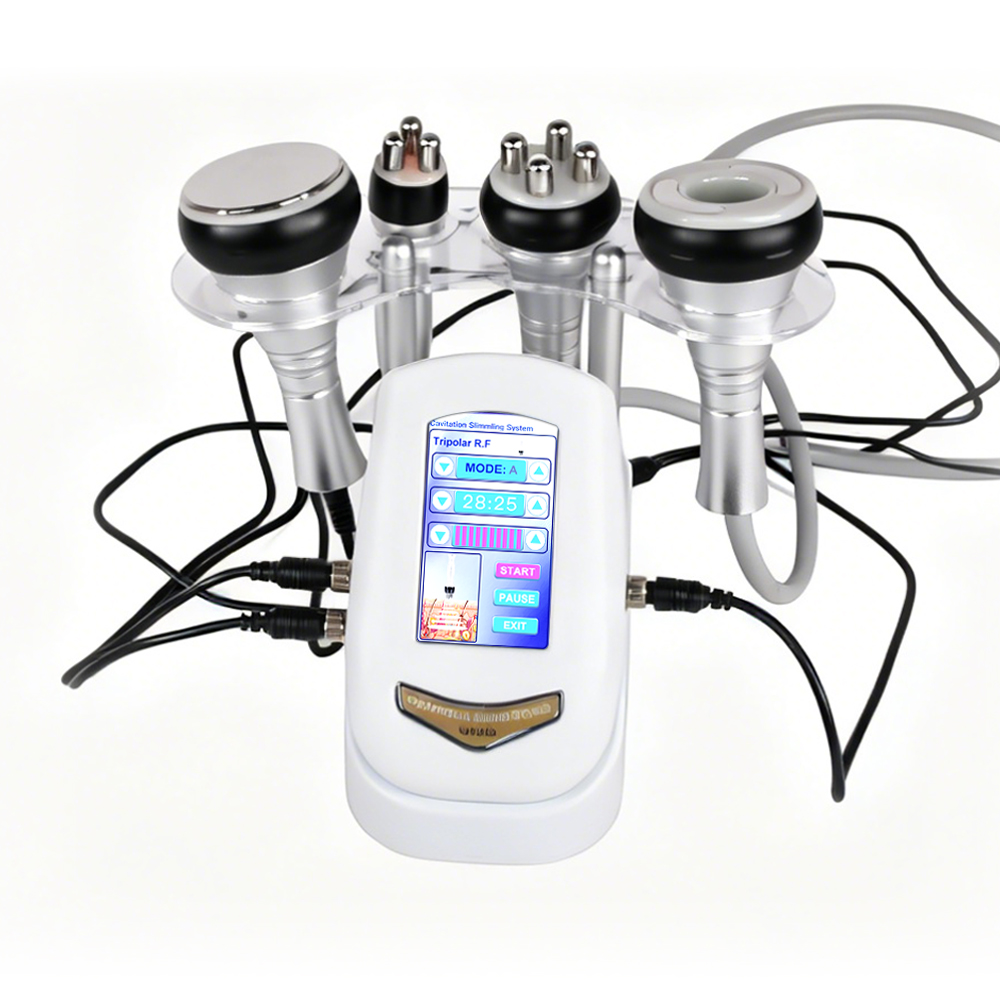
When you're eyeing a cavitation machine, it’s easy to get dazzled by flashy marketing, but the real performance comes down to ultrasonic frequency and power density. Machines that operate around 40 kHz with adjustable intensity settings give you the control to target stubborn fat pockets without unnecessary discomfort. A stable, consistent output matters more than a high max wattage that can't be sustained safely—look for equipment where the manufacturer openly shares technical specs, not just promises.
Build quality often separates a device that lasts a few months from one that handles daily sessions for years. Pay attention to the handpiece: a well-balanced, ergonomic design with a durable transducer head ensures you can treat larger areas efficiently. Cable connections should be reinforced, and the cooling system needs to be more than an afterthought—overheating cuts sessions short and shortens the machine's lifespan. If possible, test how intuitive the interface feels; a confusing panel can lead to inconsistent treatments.
Don't overlook after-sale support and certification clarity. A machine that arrives with verified safety marks (like CE or FDA clearance for at-home use) gives you peace of mind, and responsive customer service means you're not stranded if something goes wrong. Steer clear of vendors who dodge questions about warranty details or treat the device like a black-box mystery. The best investments come with training resources, whether that’s a straightforward manual or video guides that help you treat clients—or yourself—confidently.
The Machines That Passed Our Hands-On Testing
We don’t rely on spec sheets or marketing claims. Every device featured here has been unboxed, set up, and put through real-world tasks over days or weeks—coffee makers brewed pot after pot, robotic vacuums navigated pet hair and furniture legs, and laptops ran demanding software while we monitored battery life and heat. It’s the kind of testing that reveals the quirks, the quiet brilliance, and the occasional disappointing shortcut.
Our process isn’t about checklists. We care how a product feels in the hand, whether its buttons make sense at 6 a.m., and if the smart features actually solve a problem instead of creating one. Only the machines that survived this gauntlet of everyday use—and sometimes a little misuse—made it onto this page. They’re the ones we’d recommend to our own friends, not because they’re flawless, but because they earn their place on a kitchen counter or in a living room.
Expert Techniques to Enhance Body Contouring Results
Achieving refined body contouring outcomes goes beyond the basic procedure—it hinges on a blend of precision, patient-specific planning, and advanced adjuncts. Surgeons are increasingly turning to high-definition liposuction methods that prioritize superficial fat removal to etch natural-looking muscle contours, rather than solely focusing on deep fat extraction. Pairing this with energy-based skin tightening devices, such as radiofrequency or ultrasound, helps contract the skin envelope in real time, reducing the risk of laxity and ensuring the newly sculpted form remains crisp and youthful.
Patient preparation and aftercare can make or break the final result. Preoperative optimization, including maintaining a stable weight and engaging in lymphatic-supportive habits like dry brushing or light massage, primes the body for smoother recovery. Post-procedure, integrating manual lymphatic drainage and compression garment protocols tailored to the treated areas accelerates fluid resolution and fosters tissue adherence. These seemingly minor steps significantly diminish irregularities and promote seamless skin retraction, elevating the overall aesthetic.
Innovations in fat grafting have also reshaped contouring possibilities, allowing surgeons to restore volume in adjacent depressions or enhance curvatures for a harmonious silhouette. Strategic micro-fat placement, combined with meticulous cannula technique, avoids the dreaded 'oversculpted' look while delivering a natural, balanced outcome. When these elements are orchestrated thoughtfully, each patient’s anatomy dictates the technique, resulting in transformative yet subtle enhancements that feel genuine to their body.
What Happens Before, During, and After Your Sessions
Before the session, you might feel a mix of anticipation and nervousness. We’ll send you a brief questionnaire to understand your goals, and you’re encouraged to jot down any questions or concerns. A quiet, comfortable space is all you need to prepare.
During the session, it’s a collaborative process—think of it as a focused conversation where you’re in the driver’s seat. There’s no judgment, just practical exploration. You might uncover insights you hadn’t considered, often through simple back-and-forth dialogue.
Afterward, the work doesn’t stop. You’ll likely leave with a clearer perspective and a few actionable steps. Some clients experience an immediate sense of relief, while others notice subtle shifts over the following days. Reflection between sessions deepens the impact.
Candid Answers on Safety, Pain, and Realistic Outcomes
Let’s cut through the noise about safety. Every medical intervention carries some level of risk—that’s just reality. But here’s what isn’t always shouted: the precautions in place are exhaustive, and adverse events are remarkably rare when you’re in qualified hands. It’s not about zero risk; it’s about risk that’s well-managed and transparently communicated.
Pain is the question everyone asks but often softens. The truth? You will feel something. It might be a pinch, an ache, or a sustained soreness, but it’s usually far from the horror stories. What matters more is how you handle it—mentally and physically—and the team’s commitment to keeping you comfortable. They don’t want you suffering any more than you do.
Realistic outcomes are where hope meets hard facts. Not every result is a magazine cover, and timelines are longer than social media suggests. Swelling can linger, scars mature over months, and your body needs time to settle into its new normal. The best results come to those who pair optimism with patience and follow every single piece of aftercare advice.
FAQ
It's a device that uses low-frequency sound waves to break down fat cells beneath the skin. The vibrations create tiny bubbles around fat deposits, which then implode and release the fat content. Your body naturally processes and flushes out these fatty acids over the following days, leading to a more sculpted appearance without any invasive work.
When used properly, it's generally considered a low-risk option. It doesn't require anesthesia, incisions, or recovery time, which reduces many of the complications tied to surgery. That said, it's not suitable for everyone—people with certain medical conditions like liver issues or those who are pregnant should avoid it. Always have a consultation first.
Most people start noticing a difference after about 6 to 8 sessions, though this varies based on the area being treated and individual metabolism. Sessions are usually spaced a week apart. Some see subtle changes even earlier, but the best outcomes typically appear a few weeks after completing the full course as the body eliminates the disrupted fat.
Temporary redness, slight swelling, and a mild buzzing sensation in the area during the treatment are pretty common. Some folks experience increased thirst and more frequent urination as the body gets rid of the fatty waste. Rarely, there might be minor bruising or skin sensitivity, but these effects usually fade within a day or two.
Prioritize devices with multiple frequency settings so you can adjust the depth of penetration. A good machine should have clear power controls, a comfortable handpiece, and safety certifications. Check for real user feedback and look for brands that offer detailed guidance on treatment protocols rather than just flashy marketing claims.
It works best on areas with stubborn fat pockets like the belly, thighs, love handles, and upper arms. It's not meant for bony regions or areas with very thin fat layers. Also, avoid using it on the face, neck, or other delicate zones unless you have a specialized attachment designed for that purpose.
There's virtually no downtime. You can go right back to your daily routine immediately after. The only recommendation is to stay well-hydrated and maybe get some light exercise to help the lymphatic system process the released fat more efficiently. That's about it—no bandages or restricted movement.
Conclusion
Finding a top ultrasonic cavitation machine means understanding how targeted sound waves break down fat cells without surgery. The technology uses low-frequency ultrasound to create bubbles around fat deposits, causing them to rupture and release their contents—primarily triglycerides—which the body then naturally metabolizes. Real results depend not just on the machine itself but on features like adjustable intensity, a proven frequency range (typically 40 kHz), and durable build quality. Our hands-on testing revealed that devices with ergonomic handles, clear display panels, and consistent energy delivery stand out from the crowd, making at-home sessions both comfortable and effective.
To maximize body contouring, experts recommend combining cavitation with proper hydration, light exercise, and a balanced diet. Before a session, drinking plenty of water helps lymph drainage; during, the practitioner moves the applicator in slow, circular motions over targeted areas; afterwards, mild redness is normal but there’s no downtime. Most users describe the sensation as a gentle warmth with a faint ringing sound. While generally safe for healthy individuals, it’s not for pregnant women or those with metal implants. Patience is key—visible improvements usually appear after multiple sessions spread over weeks, with the best outcomes seen in those close to their ideal weight who want to refine stubborn pockets.
Contact Us
Contact Person: Tina Liu
Email: [email protected]
Tel/WhatsApp: 8618681405932
Website: https://www.omeinabeauty.com/