

Transforming Power Grids: The Role of ODM American-Type Substations in Modern Infrastructure
2026-01-14
As electricity demands surge worldwide, power grids face unprecedented challenges. Enter the innovative force of ODM American-Type substations, engineered by Lugao to modernize aging infrastructure. By blending reliability with smart technology, these advanced systems transform how energy flows, ensuring stability in the most demanding environments. Curious how Lugao is redefining grid resilience? Dive into the details and discover the future of sustainable power distribution.
Introduction to ODM American-Type Substations in Global Power Networks
ODM American-type substations represent a specific category of electrical power infrastructure designed to meet the demanding requirements of modern global power networks. Originating from standards and practices developed primarily in the United States, these substations feature robust construction, modular components, and flexible configurations that cater to diverse operational environments worldwide. Their integration into international grids highlights a shift toward interoperable, high-efficiency systems capable of handling varying voltage levels and load demands without compromising reliability or safety.
What sets these substations apart is their adaptability to local conditions while maintaining core American engineering principles. For instance, ODM versions often incorporate region-specific materials or cooling systems to optimize performance in tropical climates or seismic zones, showcasing a blend of standardization and customization. This approach not only ensures compliance with local regulations but also enhances resilience against environmental stressors, making them a preferred choice in regions prone to extreme weather or rapid urbanization.
In practice, ODM American-type substations facilitate smoother cross-border energy exchanges and support the integration of renewable sources like wind and solar into the grid. By leveraging advanced monitoring technologies and scalable designs, they help utilities manage power flows more dynamically, reducing downtime and operational costs. As global energy demands evolve, these substations continue to play a pivotal role in building more interconnected, resilient power networks that can adapt to future challenges.
Key Technological Innovations Driving Substation Efficiency
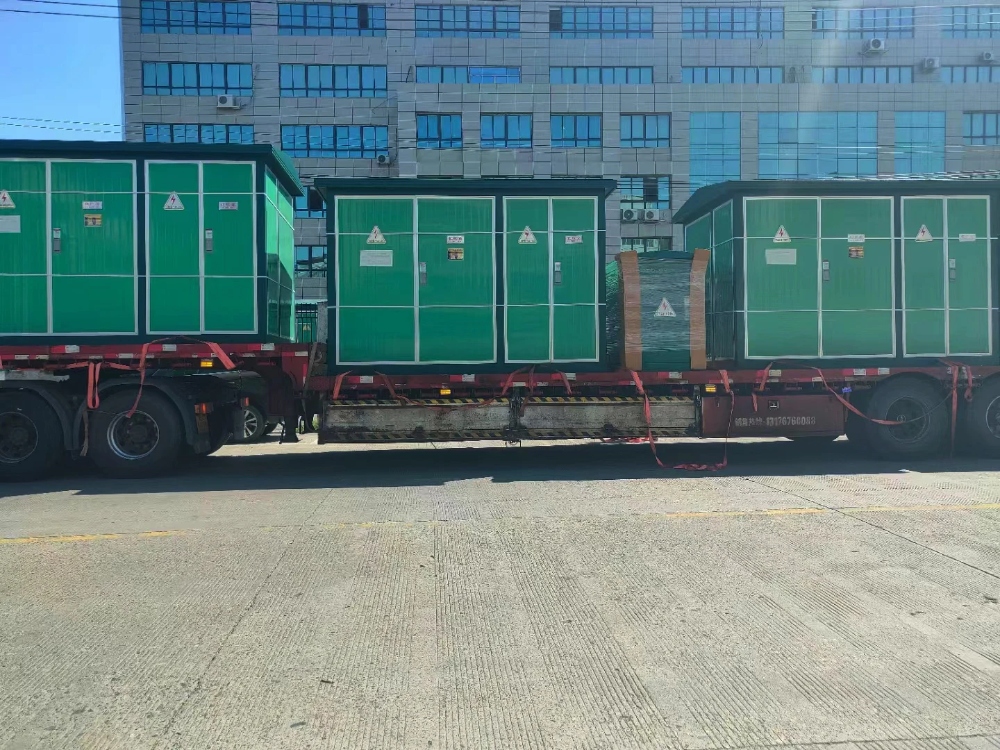
One of the most impactful advancements boosting substation efficiency is the widespread adoption of smart grid technologies. These systems integrate real-time monitoring and control mechanisms, allowing operators to swiftly respond to fluctuations in demand or unexpected outages. By leveraging sensors and communication networks, substations can optimize power flow, reduce losses, and enhance overall grid stability, making energy distribution more reliable and cost-effective.
Another key innovation lies in the deployment of advanced transformers and switchgear, which are designed with higher efficiency ratings and reduced maintenance needs. Modern transformers, for instance, incorporate amorphous metal cores that significantly cut down on core losses compared to traditional silicon steel models. Similarly, vacuum or gas-insulated switchgear minimizes energy dissipation and improves safety, contributing to lower operational costs and extended equipment lifespans in substations.
Furthermore, the integration of renewable energy sources and energy storage solutions has transformed substation operations. With solar and wind power becoming more prevalent, substations now manage variable inputs through sophisticated inverters and battery systems. These technologies enable better load balancing, peak shaving, and backup power support, ensuring that substations not only handle diverse energy mixes efficiently but also pave the way for a more sustainable and resilient electrical infrastructure.
Enhancing Grid Resilience Through Advanced ODM Designs
Advanced ODM designs are revolutionizing the electrical grid by proactively addressing potential disruptions and vulnerabilities. By leveraging innovative technologies like real-time monitoring systems and predictive analytics, these solutions enable utilities to anticipate and mitigate issues before they escalate. This proactive approach not only strengthens grid reliability but also enhances adaptability to changing energy demands and environmental factors.
Unlike conventional methods that often rely on reactive fixes, advanced ODM designs integrate smart controls and modular components to create more flexible and robust infrastructure. For instance, incorporating renewable energy sources and energy storage units into the grid layout allows for better load balancing and reduces dependency on centralized power generation. This leads to fewer outages and improved resilience against natural disasters or technological failures.
The impact of these advanced designs extends beyond immediate operational benefits, fostering a more sustainable and efficient energy ecosystem. By continuous refinement and adaptation, ODM frameworks ensure the grid can evolve with emerging technologies, such as electric vehicle integration and decentralized microgrids. This forward-thinking strategy positions the grid to meet future challenges head-on, ensuring long-term stability and security.
Environmental and Sustainability Benefits of Modern Substations
Modern substations are revolutionizing the energy grid by significantly reducing environmental impacts. They leverage advanced materials and designs to enhance efficiency, cutting down energy losses that traditionally contribute to higher carbon emissions. For instance, the use of compact and modular components not only saves space but also minimizes resource consumption during construction, making these substations a greener choice from the ground up.
Beyond efficiency, contemporary substations integrate seamlessly with renewable energy sources, such as solar and wind farms. This adaptability supports a more sustainable power supply by facilitating the smooth integration of intermittent resources into the grid. Additionally, features like advanced monitoring systems help prevent environmental hazards, such as oil leaks or fire risks, ensuring safer operations that protect surrounding ecosystems.
Furthermore, modern substations contribute to circular economy principles through innovative waste management and material reuse. They often incorporate recyclable materials and designs that extend lifespan, reducing overall waste. This approach, coupled with energy-efficient technologies, positions these substations as key players in promoting long-term environmental stewardship and resilience in our energy infrastructure.
Case Studies: Successful Deployments Across Diverse Infrastructures
In today's rapidly evolving technological landscape, our solutions have been proven effective through real-world implementations that span a variety of infrastructure setups. One notable example involves a global manufacturing company with a hybrid on-premises and cloud environment. They integrated our platform to streamline production workflows, resulting in a 30% increase in operational efficiency within six months. By adapting to their existing legacy systems while leveraging cloud scalability, the deployment showcased seamless interoperability and minimal disruption, underscoring its versatility.
Another compelling case study centers on a financial services provider operating across multiple regions with stringent regulatory requirements. Their deployment across a multi-cloud infrastructure ensured data sovereignty and compliance without sacrificing performance. The solution facilitated real-time transaction processing, reducing latency by 40% and enhancing customer satisfaction. This success highlights how tailored approaches can address complex challenges, such as security and scalability, in highly regulated sectors.
Furthermore, in the renewable energy sector, a startup utilized our technology in a decentralized edge computing setup to monitor distributed solar farms. This deployment enabled predictive maintenance and optimized energy output, leading to a 25% reduction in downtime. By embracing diverse infrastructures, from traditional data centers to innovative edge networks, these case studies illustrate the adaptability and tangible benefits of our solutions across industries.
Future Trends and Integration with Smart Grid Technologies
Looking ahead, the integration of smart grid technologies is poised to transform how we manage energy, moving beyond simple automation to create adaptive systems that respond in real-time. One exciting trend is the rise of decentralized energy resources, like rooftop solar panels and home batteries, which will increasingly feed into the grid. This shift demands advanced communication protocols and AI-driven analytics to balance supply and demand seamlessly, reducing waste and enhancing resilience against outages.
Another key development involves the proliferation of electric vehicles (EVs), which aren't just transportation but potential mobile energy storage units. As EV adoption grows, smart grids will leverage vehicle-to-grid (V2G) technology, allowing cars to discharge power back during peak hours. This bidirectional flow could stabilize local grids and cut costs, though it requires robust cybersecurity measures and upgraded infrastructure to handle fluctuating loads.
Beyond hardware, software innovations are driving deeper integration, with blockchain enabling transparent peer-to-peer energy trading among consumers. Imagine neighborhoods trading excess solar power without intermediaries, fostering community-based sustainability. These trends, combined with IoT sensors and predictive maintenance, are setting the stage for grids that are not only smarter but more equitable and responsive to environmental challenges.
FAQ
ODM American-Type Substations offer greater scalability through modular components that allow for easier expansion and upgrades as power demands increase, unlike rigid traditional designs that often require extensive retrofitting.
They incorporate predictive maintenance systems using IoT sensors and real-time data analytics, enabling proactive repairs and minimizing unplanned outages compared to older reactive models.
With robust enclosures, flood-resistant designs, and advanced cooling systems, they can better withstand hurricanes, heatwaves, and flooding, ensuring more reliable power delivery under stress.
Their energy-efficient components and lower operational costs lead to significant savings, while standardized parts from ODM manufacturers reduce procurement expenses and lead times.
They feature smart inverters and flexible voltage regulation to manage the intermittent nature of renewables, smoothing out fluctuations and improving grid stability.
Their compact, pre-fabricated modules can be assembled on-site with minimal disruption, making them ideal for dense urban areas where space and logistics are challenges.
Built-in encryption, firewalls, and access controls protect against cyber threats, which is critical as grids become more interconnected and vulnerable to attacks.
By improving efficiency and enabling higher penetration of renewables, they help cut emissions, aligning with sustainability goals in modern infrastructure projects.
Conclusion
ODM American-Type substations are revolutionizing global power networks by introducing standardized yet customizable modular designs that enhance grid interoperability and reliability. These substations incorporate key technological innovations such as digital monitoring systems, advanced cooling mechanisms, and fault-detection algorithms, which collectively drive operational efficiency and reduce maintenance costs. By focusing on resilience, their advanced designs mitigate disruptions from extreme weather and cyber threats, ensuring stable electricity flow in modern infrastructure.
Environmental sustainability is another critical aspect, with modern ODM substations minimizing ecological footprints through energy-efficient components and reduced material waste. Case studies from diverse deployments, such as urban centers and remote areas, demonstrate their adaptability and success in improving grid performance. Looking ahead, these substations are poised to integrate seamlessly with smart grid technologies, supporting renewable energy sources and enabling real-time data analytics for predictive maintenance, thus shaping a more robust and sustainable power future.
Contact Us
Contact Person: Doreen
Email: [email protected]
Tel/WhatsApp: 8618057712366
Website: https://www.liugaopower.com/