

Used Excavators Supplier: Unlocking Quality Machinery for Your Next Project
2026-05-08
When it comes to sourcing heavy machinery for your construction or excavation projects, the hunt for a reliable used excavators supplier can feel overwhelming. Yet, the key to unlocking quality, cost-effective equipment often lies in choosing a partner with proven expertise. Enter JILIANG CHI — JILIANG CHI not only offers a curated range of used excavators but also brings years of industry know-how to ensure your next project hits the ground running. In this post, we’ll explore how the right supplier transforms your machinery investment from a gamble into a strategic move.
Why Pre-Owned Excavators Make Sense for Budget-Conscious Buyers
Heavy equipment loses a chunk of its value the moment it’s put to work—and that’s actually good news for the second owner. A pre-owned excavator from a reputable source has already absorbed that initial depreciation, so you’re paying for work-ready capability rather than showroom shine. The right machine with a full service history can deliver thousands of reliable hours without the premium price tag attached to a brand-new model.
Budget-conscious doesn’t have to mean settling for less. Shopping the used market opens up access to higher-spec models, extra attachments, and even well-known brands that might otherwise stretch the budget too thin. Many contractors find they can move up a size class or add a thumb, coupler, or specialty bucket right from the start—tools that directly boost job site productivity without blowing the allotted spend.
Operating costs also tend to favor used equipment. Insurance premiums are typically based on insured value, so a lower purchase price means ongoing savings there too. Plus, a machine that has been out in the field already proves its durability—any early-manufacturing quirks have usually been sorted, and if you buy from a dealer who inspects and reconditions, you’re getting a piece of gear that’s ready to earn from day one.
Hidden Gems: How to Spot a Well-Maintained Used Excavator
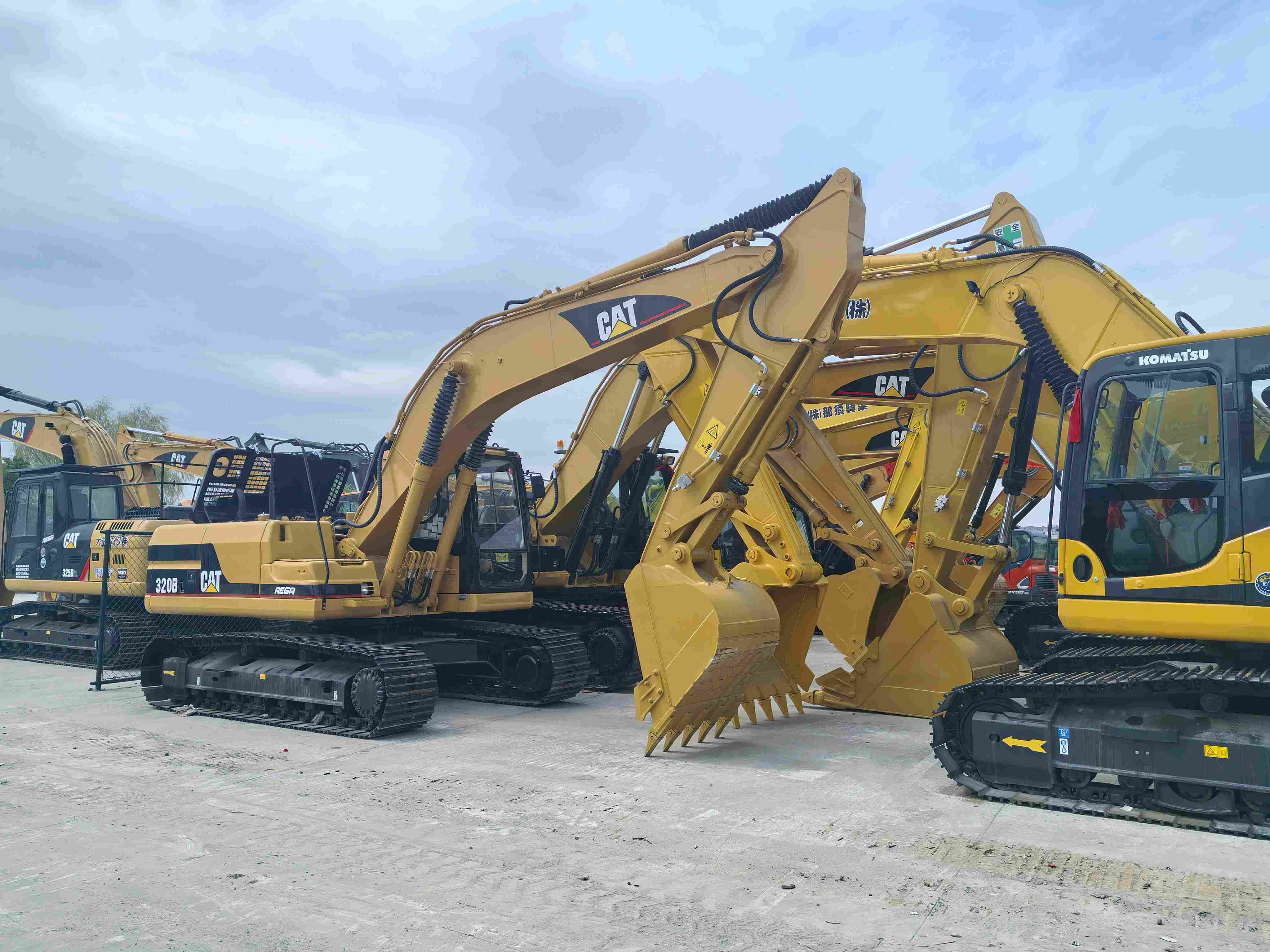
Fresh paint and a quick pressure wash can make any excavator look decent, but real condition hides in the joints. Take a close look at the pins and bushings—if they’ve been greased regularly, you’ll see clean, consistent grease rather than dried-up chunks. Check the bucket linkage for slop; a little play is normal after thousands of hours, but excessive wobble means someone skipped maintenance. The undercarriage tells a similar story: even track wear and properly tensioned chains hint at an owner who paid attention, not just to appearances but to the machine’s long-term health.
Don’t let a dirty engine bay scare you off. Some of the best finds are machines that worked hard but were never neglected where it counts. Pop the hood and look for signs of recent leaks or hasty repairs—fresh silicone smeared around gaskets often spells trouble. Instead, focus on the hydraulic system: smooth, quiet operation under load and clean, translucent oil in the sight glass are better indicators than a spotless exterior. Listen for knocking at idle or under throttle; a well-maintained engine should run with a steady, almost dull rhythm, not a chorus of ticks and rattles.
Service records can be your biggest ally, but they’re not everything. A stack of receipts from a local dealer shows commitment, yet don’t dismiss a machine just because the logbook is thin. Talk to the operator if you can—someone who takes pride in their work will tell you about the quirks, when they last changed the final drive oil, or why they upgraded a hose before it burst. Even a machine with faded decals and worn-through paint can be a hidden gem if the person behind the levers cared enough to address problems while they were still small.
Matching Your Project Needs with the Right Machine
Every project brings its own set of challenges, and the equipment you choose can mean the difference between a smooth operation and constant bottlenecks. It starts with a clear-eyed look at what you're actually building—material types, tolerances, part geometry, and production volumes all dictate which machine characteristics matter most. Maybe you need the versatility of a 5-axis mill for complex contours, or perhaps raw spindle power for aggressive material removal is the priority. Overlooking these specifics often leads to expensive over-engineering or equally costly compromises in capability.
Beyond the technical specs, real-world factors like shop floor space, operator familiarity, and future flexibility play a bigger role than brochures usually let on. A machine that perfectly matches your current job mix but offers zero headroom can become an obstacle when new work arrives. The most effective purchases come from honest conversations with your team about what's missing right now and what's on the horizon—not just chasing the latest features or the lowest sticker price. Sometimes a tried-and-true platform with smart tooling upgrades outperforms a shiny new system that nobody fully understands.
Getting this alignment right often means looking past isolated data sheets and instead running real test cuts, borrowing time on similar equipment, or leaning on the experience of colleagues who've tackled the same decisions. The best fit isn't always the fastest or most advanced—it's the one that disappears into the background, letting your people concentrate on making good parts instead of wrestling with the machinery. When the match is genuine, you feel it in the rhythm of the shop and the quiet confidence of the operators.
The Local Advantage: Sourcing from a Trusted Supplier
Working with a nearby supplier cuts through the noise of long-distance logistics. You can drop in, see the operation firsthand, and build a relationship that's grounded in real conversations, not just email threads. When issues pop up, they're sorted out quickly because there's no time zone lag or cultural disconnect slowing things down.
There's a certain peace of mind in knowing who is making your materials and how they run their shop. Local partners often rely on their community reputation, so they have a vested interest in making sure you get consistent quality. Instead of chasing down overseas factories for updates, you get straight answers and a handshake that means something.
Beyond the Price Tag: Total Cost of Ownership Explained
We’ve all been there—spotting a product with a tempting price tag and thinking we’ve found a steal. But the initial cost is only the beginning of the story. Ownership brings a steady stream of expenses that often stay hidden until you’re already committed: maintenance, repairs, energy consumption, supplies, and perhaps even training or upgrades. When you ignore these, that bargain can turn into a financial drain, quietly adding up month after month until you’ve spent far more than you ever expected.
Total Cost of Ownership shifts your focus from a single snapshot to the full timeline. Imagine buying a cheaper office printer, only to discover that replacement ink cartridges cost a small fortune and it chews through them at a rapid pace. Compare that to a slightly pricier model designed for efficiency, using less ink and needing fewer repairs—over a few years, the math flips completely. It’s the same logic with cars, software subscriptions, machinery, or even homes: factoring in depreciation, insurance, downtime, and disposal fees reveals what you’ll genuinely pay, not just what’s on the sticker.
Making this work in real life means asking the uncomfortable questions before you buy. How often does this item need servicing? What do other owners say about hidden upkeep? Can you get a clear estimate of energy or consumable costs over its expected lifespan? Sometimes it’s worth paying more upfront if the long-term burden is lighter, especially when reliability matters. Seeing the bigger picture doesn’t just protect your budget—it changes how you value things, steering you toward choices that won’t keep costing you long after the checkout glow fades.
Getting the Most Out of Your Purchase Through Routine Care
Small, consistent habits can dramatically extend the life of what you own. Whether it’s wiping down surfaces before grime builds up or checking for loose parts, these tiny acts prevent the slow, invisible damage that leads to early replacement. Think of it as a quiet partnership with your belongings—giving them a moment of attention so they can serve you longer without hiccups.
Materials respond better when you respect their nature. Leather needs occasional conditioning to stay supple, wood thrives away from direct heat, and fabrics hold their shape when cleaned before stains set. Learning these simple preferences doesn’t require deep expertise—just a willingness to notice how things age and what they ask for in return.
Often the difference between an item that lasts a decade and one that fails in two years isn’t the price tag—it’s the follow-up. A quick monthly inspection, tightening a screw here, realigning a seam there, can stop wear from turning into breakage. This isn’t about perfection, just showing up with a little regularity. Over time, those moments add up to a quiet return on your initial investment that no warranty can match.
FAQ
It often comes down to value and availability. Used machines let you get onto a job site faster without the long factory lead times. You can also stretch your capital further, acquiring a higher-spec model or multiple units for the same budget as a single new one. For short-term or seasonal projects, depreciation hit on new equipment can be brutal, while a well-kept used excavator holds its value better.
You want to look beyond a fresh coat of paint. Start with the undercarriage — track wear, sprocket condition, and idler play. Check the boom, arm, and bucket for cracks or past weld repairs. Hydraulic cylinders should be dry, not weepy. Run the machine to operating temperature and listen for unusual engine noises or sluggish hydraulics. Grab the hour meter reading, but treat it like a suggestion and cross-reference with overall wear patterns.
Good suppliers don't just park machines on a lot. They'll typically bring in units from known fleets, conduct multi-point inspections, and perform any needed repairs before listing. This might include fluid analysis, replacing worn pins and bushings, or addressing any active fault codes. Some even run the excavator through a simulated work cycle to confirm it performs under load. Documentation of these steps is a sign you're dealing with professionals.
Certain names keep popping up for a reason. Machines from brands like Caterpillar, Komatsu, and Volvo often have strong parts support globally, which makes ownership easier. Within those, models like the Cat 320 or Komatsu PC200 have built reputations for straightforward maintenance and long service lives. But a well-cared-for lesser-known brand can outperform a neglected premium one, so don't ignore condition for a badge.
It's not just about having inventory. A supplier who asks about your typical work — digging depth, attachment variety, material you're moving — can steer you away from costly mismatches. Maybe you're in demolition and need a high-reach configuration, or you're doing utility work where a compact radius model keeps you out of traffic lanes. That consultative approach translates into productivity on site.
Request records—not just a logbook but actual service invoices or fleet management reports. Telematics data, if the machine has it, can reveal idle time versus work time, fault history, and fuel consumption trends. Physical clues matter too: consistent grease around pivot points, OEM filters in place, and clean hydraulic oil all point to regular care. If the seller can't produce meaningful history, factor that uncertainty into your offer.
Yes, but the terms vary. Some suppliers offer their own limited powertrain or hydraulic system warranties, often for 30 to 90 days. Others partner with third-party warranty providers for extended coverage you can buy at the time of purchase. It's worth asking what's included and what's excluded — for example, wear items like tracks or bucket teeth typically aren't covered. Even a short warranty signals the supplier believes in the machine's condition.
Buying strictly on price is a big one — a cheap excavator with hidden issues can quickly become an expensive yard ornament. Another is skipping a comprehensive test: running the machine for only five minutes without putting it under real digging stress. Overlooking transportation and import costs can blow the budget too. Finally, not lining up a reliable mechanic or parts source in advance leaves you stuck when routine maintenance is needed.
Conclusion
Choosing a pre-owned excavator opens the door to serious savings without sacrificing capability, especially when you partner with a supplier that knows the local landscape. Rather than stretching your budget thin on new equipment, a quality used machine can handle demanding jobs with the same grit—provided you know what to look for. Smart buyers look past surface wear and focus on maintenance records, undercarriage condition, and consistent performance across attachments. A trusted local source shortens the hunt, offering machines that have already proven their worth in regional projects and terrain similar to yours. This hands-on approach ensures you match lift capacity, reach, and hydraulic flow to the specific demands of your next job, rather than settling for a generic solution.
However, the real advantage of working with a reputable used excavator supplier goes well beyond the initial purchase price. Seasoned owners understand that the total cost of ownership—factoring in fuel efficiency, parts availability, and routine upkeep—often paints a truer picture of long-term value. A well-chosen machine, coupled with a straightforward maintenance schedule, avoids the downtime that quietly erodes project timelines and profits. Simple habits like daily grease checks, scheduled fluid changes, and timely track adjustments keep the equipment performing reliably shift after shift. Ultimately, unlocking quality machinery for your next project isn’t just about acquiring iron; it’s about building a relationship with a supplier who helps you sustain that investment over the long haul.
Contact Us
Contact Person: Sally Xiao
Email: [email protected]
Tel/WhatsApp: 086-18221477398
Website: http://www.shjiliangchi.com/