

Wafer Butterfly Valve Factory: Essential Guide for Manufacturing Excellence
2025-12-24
Welcome to the cutting-edge world of industrial valve manufacturing! In the realm of precision engineering, wafer butterfly valves stand out as vital components for fluid control across countless industries. But what does it take to excel in manufacturing these high-performance valves? This essential guide delves into the secrets behind superior production, from material selection to quality assurance, offering insider insights for manufacturers striving for excellence. At the heart of this journey lies DRIFCO, a brand synonymous with innovation and reliability in the valve industry. Join us as we explore the art and science of creating valves that not only meet but exceed expectations, ensuring durability, efficiency, and safety in every application.
Introduction to Wafer Butterfly Valve Manufacturing Principles
Wafer butterfly valve manufacturing adheres to precise engineering principles to ensure reliable flow control in various industrial applications. The process begins with material selection, where factors like corrosion resistance, temperature tolerance, and pressure ratings dictate the choice of metals or polymers. For instance, stainless steel is often used in chemical processing due to its durability, while ductile iron might suit water distribution systems. Advanced manufacturing techniques, such as CNC machining and casting, are employed to shape the valve body, disc, and stem with tight tolerances, minimizing leakage risks. Quality control measures, including pressure testing and surface finish inspections, are integrated throughout production to guarantee performance consistency and longevity.
Beyond basic construction, innovative manufacturing principles focus on enhancing valve functionality and adaptability to modern demands. The disc design, for example, might incorporate offset or double-offset configurations to reduce wear and improve sealing efficiency, especially in high-pressure environments. Automation plays a key role here, with robotic assembly lines ensuring precise alignment of components like seats and seals, which are often made from elastomers like EPDM for flexibility. Additionally, environmental considerations drive the adoption of eco-friendly practices, such as using recycled materials or optimizing energy consumption during production, aligning with sustainability goals without compromising valve integrity.
In practice, these manufacturing principles translate into valves that excel in versatility and ease of installation, thanks to the wafer-style design that fits snugly between flanges. Engineers balance cost-effectiveness with performance by leveraging modular production methods, allowing for customization in sizes and specifications without extensive retooling. Continuous improvement, informed by field feedback and technological advancements, leads to innovations like low-torque operation and enhanced flow characteristics. Ultimately, a deep understanding of these principles ensures that wafer butterfly valves meet stringent industry standards while offering solutions tailored to specific operational needs, from HVAC systems to large-scale industrial pipelines.
Key Materials and Their Impact on Valve Performance
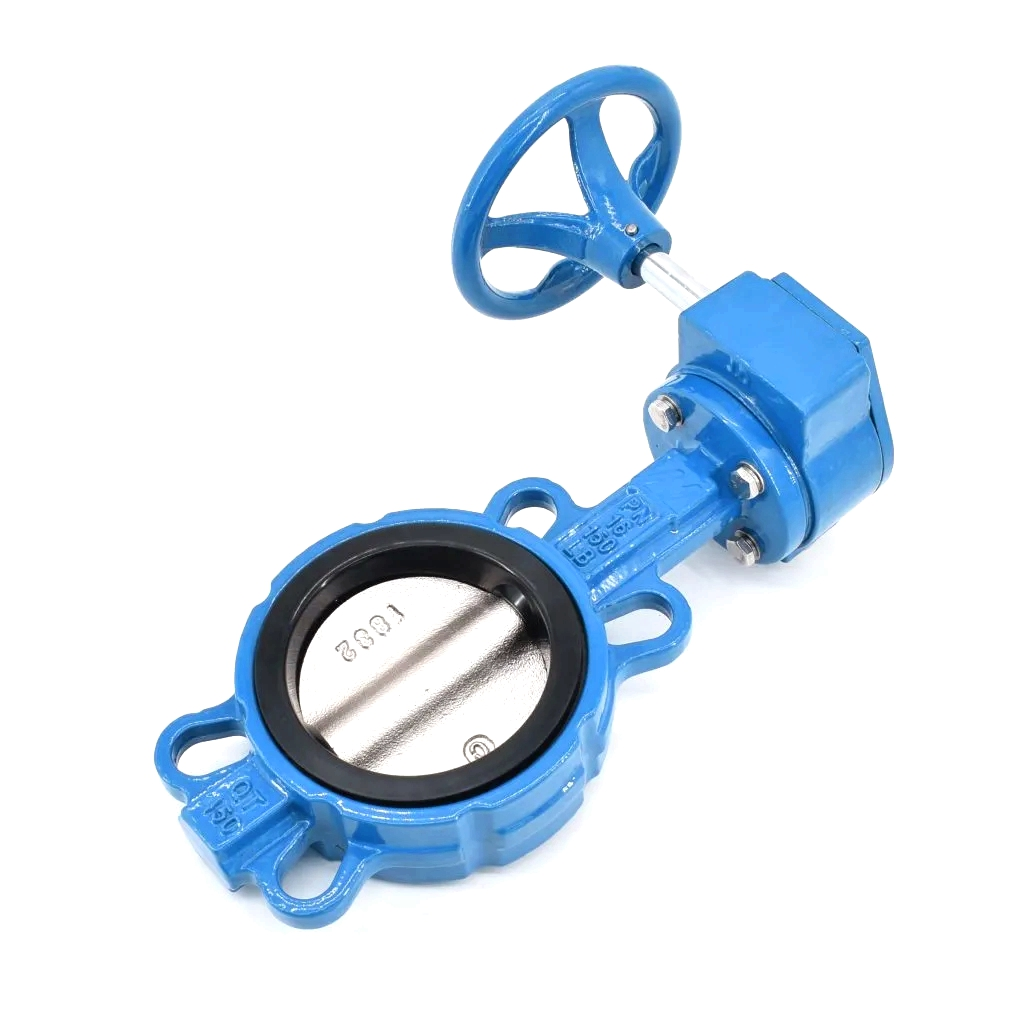
Diving into valve performance, it's impossible to ignore how material choices directly shape every operational aspect. For instance, while stainless steel's corrosion resistance extends valve life in harsh chemical environments, its relatively lower thermal conductivity might necessitate additional cooling designs in high-temperature settings. The interplay isn't just about durability; materials like brass offer excellent machinability, allowing for tight tolerances that enhance sealing precision, but they can be prone to dezincification in certain water conditions. It's this nuanced balancing act—considering factors like tensile strength, wear resistance, and cost—that defines whether a valve merely functions or excels under real-world pressures.
Beyond the obvious contenders, advanced materials and composites are rewriting the rulebook for valve efficiency. The adoption of superalloys, such as Inconel or Hastelloy, enables valves to withstand extreme temperatures and aggressive media that would quickly degrade conventional options. Meanwhile, engineered polymers and ceramics are gaining traction not just for their lightweight properties, but for their ability to reduce friction and eliminate lubrication needs in critical applications. These materials don't just extend service intervals; they fundamentally alter maintenance schedules and system reliability, often justifying higher upfront costs with long-term savings and reduced downtime.
Ultimately, the material selection process is a dynamic conversation between application demands and technological innovation. It's not enough to pick a material based on a single property; engineers must weigh how material interactions—like galvanic corrosion between dissimilar metals or thermal expansion mismatches—can introduce unforeseen failures. By integrating material science with practical engineering insights, modern valves achieve levels of precision and resilience once thought unattainable, turning raw materials into the silent heroes of fluid control systems.
Advanced Techniques for Precision Machining and Assembly
Precision machining and assembly have evolved significantly in recent years, integrating cutting-edge technologies that enhance accuracy and efficiency. For instance, computer-aided manufacturing (CAM) systems now leverage artificial intelligence to optimize tool paths and material usage, reducing waste and improving repeatability. This synergy between software and hardware allows manufacturers to achieve tolerances previously thought impossible, enabling the production of complex components for aerospace and medical devices. As a result, industries are pushing boundaries with faster turnaround times and higher-quality outputs.
Beyond traditional methods, additive manufacturing plays a crucial role in precision assembly by allowing the creation of custom jigs and fixtures on-demand. These tools ensure components align perfectly during assembly, minimizing human error and enhancing overall product integrity. Additionally, real-time monitoring systems, such as sensors and IoT devices, provide continuous feedback throughout the machining process. This data-driven approach helps detect anomalies early, preventing defects and ensuring that every part meets stringent specifications without unnecessary delays.
Looking ahead, advancements in robotics and automation are reshaping assembly lines, with collaborative robots working alongside human operators to handle delicate tasks. This human-robot collaboration not only boosts productivity but also allows for greater flexibility in adapting to custom projects. By embracing these innovative techniques, companies can stay competitive in a market that demands both precision and adaptability, ultimately driving progress in high-tech sectors.
Quality Control Measures for Enhanced Reliability
In today's competitive landscape, robust quality control measures are essential for ensuring product reliability and customer satisfaction. By implementing systematic checks throughout the production process, companies can detect and address potential issues early, preventing costly recalls and maintaining brand integrity. This proactive approach not only reduces waste but also builds trust with consumers who depend on consistent performance.
One effective strategy involves integrating automated inspection systems with real-time data analytics to monitor critical parameters. For instance, using sensors and machine learning algorithms allows for continuous assessment of manufacturing conditions, enabling immediate adjustments when deviations occur. This dynamic method enhances precision and minimizes human error, resulting in products that meet stringent reliability standards consistently.
Moreover, fostering a culture of quality among employees through regular training and clear communication strengthens these measures. When team members understand their role in upholding reliability, they are more likely to identify improvements and contribute to a cycle of continuous enhancement. Ultimately, combining technology with human expertise creates a resilient framework that adapts to evolving challenges and delivers superior outcomes.
Sustainable Practices in Valve Factory Operations
Embracing sustainable practices in valve manufacturing isn't just a trend but a strategic move to reduce environmental impact while boosting operational efficiency. At leading factories, this starts with optimizing energy use by switching to renewable sources like solar or wind power for production lines, coupled with advanced machinery that minimizes waste. By implementing closed-loop water systems and recycling scrap metal, these facilities cut down on resource consumption significantly, turning what was once waste into valuable raw materials.
Another key aspect involves adopting eco-friendly materials and processes, such as using low-carbon steel or bio-based coatings that lessen toxic emissions. Factories are also designing valves for longer lifespans and easier disassembly, promoting a circular economy where products can be repaired or recycled instead of ending up in landfills. This shift not only reduces the carbon footprint but also appeals to customers increasingly demanding green solutions in industrial equipment.
Beyond materials and energy, sustainable valve factories focus on employee well-being and community engagement, ensuring safe, toxin-free workplaces and supporting local environmental initiatives. By integrating these practices into daily operations, manufacturers set themselves apart in a competitive market, proving that environmental stewardship and business success can go hand in hand.
Market Trends and Innovation in Butterfly Valve Design
In today's industrial landscape, butterfly valve design is increasingly driven by a focus on sustainability and efficiency, with innovations targeting reduced energy consumption and enhanced leak-tightness. Materials like high-performance elastomers and advanced coatings are becoming standard, not only to withstand harsh chemicals but also to extend valve life, cutting down replacement costs and waste. This shift mirrors a broader industry push toward greener operations, where even small improvements in valve performance can lead to significant environmental savings.
A key trend is the integration of smart technologies, such as IoT-enabled sensors and actuators, which allow for real-time monitoring of valve health and operational data. These innovations enable predictive maintenance, reducing unexpected downtimes and optimizing system performance. Unlike traditional designs that rely on manual checks, modern butterfly valves can self-diagnose issues, offering a competitive edge in sectors like water treatment and power generation where reliability is critical.
Furthermore, customization and modular designs are gaining traction, allowing valves to be tailored for specific applications, from high-pressure gas lines to sanitary food processing. This flexibility helps manufacturers address niche markets while maintaining cost-effectiveness. By blending these trends with ongoing material research, the industry is not just evolving mechanically but also adapting to faster, more responsive operational demands.
FAQ
Emphasize rigorous quality control, integrate advanced automation, invest in continuous employee training, and implement lean manufacturing practices to reduce waste and enhance efficiency.
Innovative materials like advanced polymers and corrosion-resistant alloys improve durability, while optimized flow designs boost performance, reducing lifecycle costs and meeting diverse industrial demands.
Factories focus on eco-friendly processes, such as energy-efficient machining and recyclable materials, to minimize environmental impact and align with global green standards.
Effective supply chain management ensures timely procurement of high-quality components, mitigates disruption risks, and supports cost-effective production without compromising on valve reliability.
They are versatile for water treatment, chemical processing, and HVAC systems, with customization in sizes, pressure ratings, and sealing materials to meet specific operational needs.
Technologies like IoT for real-time monitoring, 3D printing for rapid prototyping, and AI-driven quality inspection are revolutionizing production, enhancing precision and innovation.
Conclusion
The manufacturing of wafer butterfly valves involves a careful balance of engineering principles and material science to produce reliable and efficient components. Central to this process is an understanding of the fundamental manufacturing principles, which guide the design and production of these valves to ensure optimal performance. The selection of key materials, such as stainless steel, ductile iron, and various elastomers, directly influences durability, corrosion resistance, and sealing capabilities, making material choice a critical factor in valve longevity and functionality. By integrating these elements from the outset, factories can lay a solid foundation for high-quality output.
To achieve manufacturing excellence, advanced techniques in precision machining and assembly are essential, allowing for tight tolerances and seamless integration of parts. Rigorous quality control measures, including pressure testing and dimensional checks, enhance reliability and prevent defects. Furthermore, adopting sustainable practices in factory operations, such as energy-efficient processes and waste reduction, not only supports environmental goals but also improves cost-effectiveness and brand reputation. Keeping pace with market trends and innovations in butterfly valve design, like smart valve technology and lightweight materials, ensures that factories remain competitive and adaptable. This holistic approach, blending technical expertise with forward-thinking strategies, positions wafer butterfly valve factories for sustained success in a dynamic industry.
Contact Us
Contact Person: George
Email: [email protected]
Tel/WhatsApp: 13863633883
Website: https://www.es-fire.com