

Wholesale Garage Door Buying Guide: Tips for Smart Purchases
2026-08-01
Looking to stock up on garage doors that balance quality and cost? Whether you're a seasoned retailer or new to the wholesale game, knowing what to look for can make or break your bottom line. This guide cuts through the noise, offering practical tips to help you avoid common pitfalls and secure deals that keep customers coming back. At NORTON, we've seen firsthand how the right choices can elevate your business—let's dive into the essentials.
How to Spot a Supplier Worth Your Trust
Start by examining how a supplier communicates. A trustworthy partner responds promptly, provides detailed answers, and doesn’t dodge tough questions. If they’re vague about production processes, materials, or lead times, consider it a warning sign. Genuine suppliers are transparent about their capabilities and limitations. They’ll walk you through their quality control steps and even admit when something isn’t feasible, rather than overpromising just to secure an order.
Next, put their track record under a microscope. Look beyond flashy certifications — ask for client references you can actually contact, and don’t hesitate to request samples from past projects. A reliable supplier will have a history of consistent output, not just a slick catalog. Pay attention to how they handle mistakes, too. Everyone stumbles occasionally, but a supplier worth your trust owns up to errors and fixes them fast, without making excuses. This kind of accountability separates the pros from the pretenders.
Finally, trust your instincts after doing your homework. Visit the facility if possible, or ask for a live video tour. See if the working conditions and equipment match the polished image they project. A supplier who hesitates to show you their operation might have something to hide. Building trust takes time, but these practical steps — checking communication, verifying track records, and observing real operations — will steer you toward a partnership that lasts.
The Hidden Costs of Different Door Materials
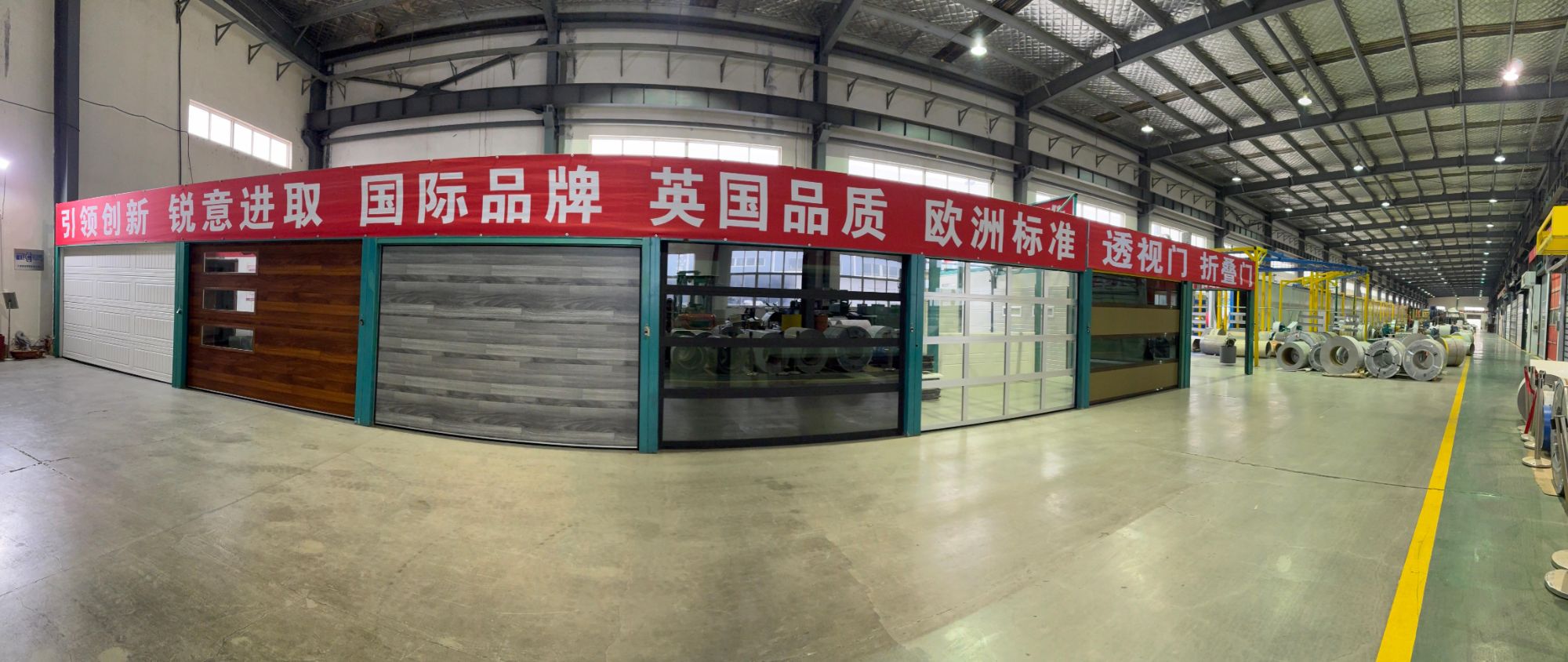
Upfront price tags rarely tell the full story. A solid wood door might seem like an investment in timeless elegance, but the ongoing need for refinishing and sealing to prevent warping or water damage can quietly drain your budget over the years. Humidity and sunlight take their toll, demanding a maintenance schedule many homeowners underestimate. Meanwhile, steel doors, often praised for security, come with their own quiet burdens—prone to denting and susceptible to rust in coastal climates, where a small scratch can snowball into full-blown corrosion.
Then come the less obvious expenses tied to installation and energy performance. Fiberglass doors offer durability and insulation, yet their initial adoption often requires custom framing adjustments or specialized sealants that push labor costs well beyond the estimate. Poorly chosen glass inserts in an entry door, no matter the frame material, can send heating bills climbing if they lack proper thermal breaks or low‑E coatings. Even factory finishes deemed "maintenance‑free" may fade or peel sooner than promised, forcing unexpected replacements that no warranty fully covers.
The repair‑play is another hidden dimension. Solid wood doors can be sanded and refinished, but deep cracks or core rot often mean full replacement—a costly, dust‑filled disruption. With steel, a dented panel often can’t just be patched; you may need to swap an entire section. Hollow metal models, popular in commercial settings, may look cheap to replace but hide lead‑based paint or custom sizing that complicates disposal and ordering. Even the most modern engineered wood doors, with their composite cores, can fail in high‑moisture areas where dimensions shift and void warranties, leaving you with a splintering slab and no easy fix.
Ways to Customize Your Order Without Overpaying
Customizing your order doesn’t have to mean blowing your budget. Start by focusing on the options that actually change how you use the product, not just how it looks. A different finish might seem tempting, but swapping out the core materials or adding functional upgrades often gives you more for your money. Ask about package deals or bundled features—sometimes the mid-tier selection already includes what you’d pay extra for individually, and sales reps rarely lead with that.
Another trick is to time your custom requests. Many brands refresh their catalog at predictable intervals, and right before a new lineup drops, factories are more willing to negotiate on last season’s builds. You can often get premium materials or hardware at near-base prices just by being flexible on the production date. It’s also worth checking if slightly smaller or larger dimensions cost the same due to how cutting patterns work—sometimes an inch here or there makes no difference in price but a big one in satisfaction.
Don’t overlook the power of asking for a sample or a stripped-down version quote first. When you see the itemized cost breakdown, it’s easier to spot which customizations are driving up the price and which are practically free. You might realize that hand-painting costs a fortune but laser engraving is a bargain, or that mixing your own color from the standard palette comes with zero upcharge. And if you’re polite about it, many craftspeople will throw in a small extra—like an additional pocket or a reinforced seam—just because you asked nicely, not because it was listed anywhere.
Negotiation Tactics That Actually Work for Wholesale
In the wholesale world, negotiation isn't just about hammering the lowest price—it's about building leverage without burning bridges. Start by shifting the conversation from unit cost to total value. For instance, instead of saying "I need a better price," try "If I commit to a larger volume across multiple products, how flexible can you be on margins?" This reframes the ask around mutual benefit, making suppliers more willing to adjust terms. Additionally, always come prepared with market data: know what competitors are paying, understand seasonal demand shifts, and have a clear walk-away point. The goal is to be firm on your needs but flexible on how you get there, whether it's through extended payment terms, exclusive distribution rights, or customized packaging—elements that often cost the supplier less than a straight discount.
Timing is a subtle yet powerful lever in wholesale negotiations. Avoid peak ordering seasons when suppliers are inundated; instead, approach them during slow periods when they're hungrier to fill production capacity. A simple question like "What does your production calendar look like next quarter?" can open the door to discounted pilot runs or consolidated shipping deals. Also, don't underestimate the power of silence. After making a proposal, let the supplier sit with it. Too often, buyers undercut themselves by filling the quiet with concessions. Remember, a well-timed pause signals confidence and often prompts the other side to offer something extra—like reduced minimums or free samples—just to keep the dialogue moving.
Finally, turn negotiations into a collaborative problem-solving session rather than a tug-of-war. Phrase your asks as joint opportunities: "How can we structure this so it works for both of us over the next year?" This approach encourages suppliers to share insights about their own constraints, which you can then leverage creatively. For example, if they're overstocked on a certain raw material, you might negotiate a lower price for products using that material in exchange for a longer-term contract. Document every agreement in a simple, clear email afterward—not just the numbers, but any verbal promises about priority service or return allowances. This habit keeps both sides accountable and sets the stage for even better deals down the line.
Shipping Surprises: What to Expect from Delivery
Ordering online can feel like a magic trick—you click, you wait, then a box appears at your doorstep. But the journey from warehouse to welcome mat holds more twists than a mystery novel. Carriers sometimes reroute packages through unexpected hubs, adding days you didn’t plan for. Weather hiccups, sorting glitches, or even address mix-ups can turn a simple shipment into a game of hide-and-seek. Knowing this helps you roll with the surprises instead of staring at a tracking screen in disbelief.
Packaging itself often tells a story. That oversized box holding a tiny item isn’t just wasteful—it’s a clue about automated packing systems that grab whatever fits. Sometimes you’ll find your order split into multiple deliveries, arriving days apart, because items live in separate warehouses. And then there’s the stealthy approach: a package left behind a planter or with a neighbor you’ve never met. Carriers are getting creative with drop-off spots, so a quick perimeter check might save you a frantic search.
The human side of delivery adds another layer. Drivers face tight schedules and unpredictable routes, which can mean a “delivered” notification before the box actually lands. Mis-scans happen, and customer service might take a moment to untangle the knot. Embracing a little flexibility—like opting for pickup points when you’re rarely home—can turn these surprises into manageable quirks. After all, every package has a story, and yours might just be a tad more adventurous than you expected.
Mistakes Even Experienced Buyers Keep Making
It’s easy to assume that seasoned buyers have the whole process figured out, but overconfidence often leads to costly slip-ups. One classic blunder is obsessing over the purchase price while ignoring long-term ownership costs. You see this when someone grabs a “bargain” property and later gets blindsided by sky-high renovations or maintenance expenses that eat up any upfront savings. The rush to jump on a deal can also make even veterans gloss over essential inspections, only to discover hidden structural issues that would make anyone wince.
Another quiet profit-killer is letting emotions steer the wheel. Experienced buyers sometimes fall in love with the potential of a place and start bending their own rules—overlooking ugly market realities or talking themselves into a neighborhood that doesn’t match their investment goals. Then there’s the trap of thinking you know the market and skipping fresh research. Even in familiar territory, local dynamics shift quickly: a new zoning change, a school redistricting, or a subtle swing in buyer demand can turn what once looked like a safe bet into a slow-selling headache.
Strangely enough, experienced buyers also neglect the money side in ways rookies rarely do. They might get too creative with financing, tying up multiple properties in complex loans that leave zero breathing room when things cool off. Or they’ll pin their projections on wishful growth rates instead of conservative numbers, forgetting that empty months and interest rate bumps don’t care about your track record. The best defense is to treat every purchase like it’s your first: validate assumptions, run the boring numbers twice, and remember that a great deal today can still go wrong tomorrow if you’re not paying attention to the fine print.
FAQ
Focus on material durability, insulation properties, and compliance with local building codes. Also assess the manufacturer's warranty and their track record for timely deliveries.
Look beyond price. Verify their production capacity, request client references, and confirm they have a responsive support team. Visiting their facility can reveal a lot about their operation.
Yes, negotiate multi-year contracts for better rates, combine orders with other buyers if possible, and consider direct sourcing from manufacturers to cut out middlemen.
Overlooking installation requirements, ignoring long-term maintenance costs, and focusing solely on upfront price often lead to regret. Always factor in total cost of ownership.
Very. Generic models might alienate your customer base. Ensure the supplier can accommodate size, color, and finish variations to suit different property styles.
It's critical. Poorly packed doors can arrive damaged, and delays disrupt projects. Inquire about packaging standards, carrier partnerships, and lead times upfront.
Organize stock by model and size for easy access, implement a first-in-first-out system to prevent warping, and keep popular items in a climate-controlled space.
Smart technology integration, such as Wi-Fi enabled openers, and energy-efficient designs are gaining traction. Eco-friendly materials are also becoming more sought-after.
Conclusion
Finding a reliable supplier goes beyond glossy catalogs and low price tags. You need to dig into their track record—ask for client references, check if they honor warranties, and see how they handle after-sales issues. A trustworthy partner will be transparent about the real costs tied to different materials; for instance, steel may be durable but heavy, raising shipping fees, while wood offers classic appeal yet demands regular maintenance that adds up over time. Smart customization is all about prioritizing upgrades that boost functionality without unnecessary frills. Insulation, weather seals, and heavy-duty hardware often deliver more value than decorative add-ons. When it comes to negotiating bulk orders, don’t just focus on the unit price. Leverage your order volume to ask for free shipping, extended payment terms, or inclusive accessories. Written quotes from multiple suppliers can give you solid leverage, but always read the fine print to avoid hidden charges.
Shipping is where many wholesale buyers get caught off guard. Freight classifications, residential vs. commercial delivery addresses, and liftgate requirements can dramatically alter the final bill. Always clarify whether the quoted price covers door-to-door delivery or just terminal pickup, and factor in potential delays due to customs or seasonal demand spikes. Even seasoned buyers keep stumbling on the same oversights: skipping a physical sample evaluation, neglecting to measure site-specific clearances, or forgetting to check local building codes that dictate wind load or fire rating requirements. Another common pitfall is overlooking the total lifecycle cost—cheap doors often lead to higher repair and energy bills. Document every specification and agreement in a clear purchase order, and never assume standard sizes will fit without double-checking. With thorough preparation, you can avoid costly surprises and build a smooth procurement process.
Contact Us
Contact Person: Cyril He
Email: [email protected]
Tel/WhatsApp: 8613969697307
Website: https://cqyqgd.en.alibaba.com/