

Window Blinds Solutions to Enhance Privacy and Natural Light
2026-10-05
Balancing privacy with natural light can feel like a daily battle—one minute you're squinting through sheer curtains, the next you're sealing yourself in darkness. ROLLERGY has a different approach—its window blinds are designed to give you precise control over both, so you never have to sacrifice comfort for seclusion. Read on for the solutions that finally put you in charge of your light and your view.
Daylight in, Neighbors Out: A Practical Blind Setup
Getting daylight without giving the neighbors a front-row seat usually comes down to angle, not just fabric. A bottom-up/top-down blind mounted inside the frame lets you drop the top section a few inches so sunlight bounces off the ceiling while the lower half stays closed. This keeps the room bright in the middle of the day without exposing whatever is happening at street level.
For windows facing a walkway or a close building, skip sheer curtains as the only layer. Instead, pair a light-filtering roller blind with a slim privacy film on the lower pane. The film breaks the line of sight from outside, but the uncovered top still lets in a good amount of sky glare. You can set the roller stop so it never rises above the film line.
If the window is tall, split it at the midpoint with two separate blinds. The upper one stays open during the day, angled upward; the lower one stays closed. That way you get a bright room and passersby only see the upper glass reflecting light—not your couch, desk, or anything else worth hiding.
How to Keep a Room Bright Without Feeling Exposed
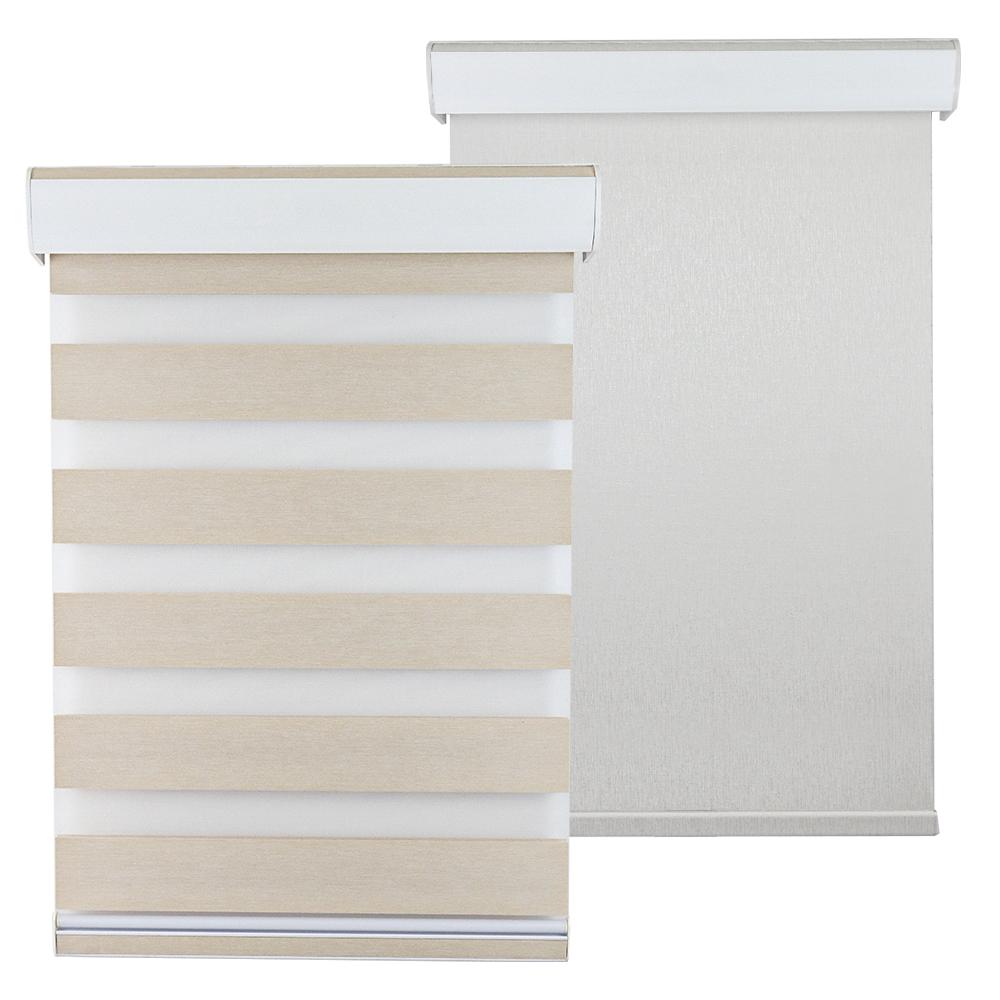
Brightness doesn't have to mean living in a fishbowl. One of the easiest moves is to swap heavy drapes for sheer linen or a light-filtering roller shade that still lets daylight pour in but blurs the view from outside. If you're on a busy street, static-cling window film with a subtle texture or frosted pattern keeps the glow while turning your windows into soft light boxes—no one gets a clear line of sight, but the room stays airy.
Another trick is to bounce light around with mirrors and pale, matte surfaces. Place a tall mirror on the wall opposite the window or behind a floor lamp, and it'll push illumination deeper into the room without making the space feel more open to passersby. Steer clear of glossy white paint if glare bothers you; an off-white or warm greige with an eggshell finish reflects enough light to keep things cheerful without the sterile, exposed feel.
Finally, think about layering greenery. A cluster of tall potted plants like fiddle-leaf figs or bamboo palms near the window creates a living screen. You still get bright, dappled light through the leaves, but from the outside the room reads as a private indoor garden rather than a stage. It's a low-effort way to add both brightness and a sense of shelter.
The Case for Top-Down Blinds in Street-Facing Rooms
Living on a busy street comes with a constant trade-off: you want natural light, but you don't want every passerby peering into your living room. Standard blinds force you to choose between a shaded cave and a fully exposed space. Top-down blinds change that calculation entirely. By lowering the upper portion of the window while keeping the lower section covered, they let sunlight stream in from above while preserving privacy at eye level. This simple shift in mechanics transforms a street-facing room from a fishbowl into a calm, bright retreat.
The advantages go beyond privacy. In rooms that face sidewalks, parked cars, or neighboring buildings, the line of sight from outside is usually concentrated at chest height or below. Top-down blinds align perfectly with that geometry. You can leave the bottom half closed to block the direct view, while the open top section admits soft, indirect daylight that bounces off the ceiling. This creates a more even and pleasant glow than relying on lamps, and it reduces the feeling of being boxed in by heavy curtains or fully drawn shades.
Another practical point is flexibility. With top-down operation, you can adjust the blind in small increments to match the time of day or your own comfort level. Raise the top for morning light while the street is quiet, then lower it slightly when foot traffic picks up. Because the controls are simple and intuitive, you're more likely to fine-tune the window covering instead of settling for all-or-nothing coverage. In a street-facing room, that kind of control makes the difference between a space that feels exposed and one that feels intentionally designed for everyday life.
Mixing Blind Styles for Soft Light and Solid Privacy
Layering different blind styles within one room creates a visual rhythm that feels intentional rather than predictable. A sheer roller shade paired with tailored Roman blinds lets daylight filter through in gentle washes, while the heavier layer remains ready to close off the outside world when night falls or when a neighbor's window lines up too closely. The trick is to choose fabrics and slat widths that contrast just enough—think airy linen against smooth bamboo, or a linen-softened cellular shade behind slim aluminum slats.
This approach also solves the common problem of wanting bright, diffused light during the day without giving up a sense of enclosure after dusk. Instead of relying on a single window treatment to do both jobs imperfectly, you can set the mood through combination. Mount a translucent pleated shade inside the window frame, then layer a panel-track blind or a soft drapery-style blind on the outside. Closing one while leaving the other open gives you a sliding scale of privacy and brightness that no single blind can match.
When choosing which styles to mix, look at how their operating mechanisms sit together. A cordless honeycomb shade nested under a woven wood blind in the same neutral tone avoids visual clutter while offering two distinct light effects. In bedrooms, try a blackout roller blind behind a delicate sheer curtain-style blind for a soft daytime glow and complete darkness at night. The layered look works especially well in bathrooms or street-facing rooms where privacy matters most—nobody sees in, but the room still feels airy and open rather than sealed off.
Adjusting Slats to Capture the Sun's Best Angles
The trick with slats is to stop treating them as a set-and-forget feature. Early morning sun sits low on the horizon, so tilting the slats upward bounces light off the ceiling and washes the room in a soft glow. If you want a bit more warmth on the floor, nudge the angle down a few degrees instead—somewhere around twenty to thirty degrees usually does it without turning your space into a glare box.
By midday, the sun climbs high and the rules change. Angling the slats downward blocks the harshest overhead rays while still letting you see outside. East-facing windows tend to need this treatment in the morning, while west-facing ones demand attention after lunch. A quick adjustment keeps the room bright but not blinding, and you won't have to squint at your screen or pull the shades completely.
Seasons shift the ideal angle too. In winter, opening the slats wider lets low-angle sunlight stream in and take the edge off your heating bill. Come summer, a tighter downward angle keeps that same sun from turning the room into a greenhouse. It's less about chasing a perfect number and more about reading how the light lands on your walls—then giving the slats a small twist to match.
Sheer Blinds as a First Layer, Not a Last Resort
Sheer blinds often get pigeonholed as an afterthought, something you throw up only when the budget runs out or the room feels too bare. That reputation undersells them badly. Sheers work beautifully as the main window covering, not just a filler behind heavier drapes. They handle the hardest job in any space: letting daylight in while keeping the outside from feeling like it’s pressing against the glass.
The real strength of sheers as a first layer is their ability to hold a room’s mood steady through the day. Instead of the harsh contrast between full sun and total blackout, you get a steady, diffused glow that makes colors look richer and shadows softer. This isn’t a compromise; it’s a deliberate design choice for rooms where you want openness without glare, like living areas, kitchens, or a reading nook.
At night, the old objection is privacy, but that’s where choosing the right sheer matters. A tighter weave or a dual-layer sheer gives you enough coverage for most urban settings, especially when combined with interior lighting discipline. And if you do pair them with curtains, the sheer is still the star—it’s the layer that does the daily work while the heavier fabric becomes the occasional accent. Treat sheers as the foundation, not the fallback.
FAQ
Look into dual-layer or top-down bottom-up styles. A sheer fabric paired with a blackout liner lets you enjoy soft daylight during the day, then pull the darker layer down after sunset. If you prefer a single product, choose a light-filtering material but be aware that when your indoor lights are on at night, silhouettes may show through—so adding a simple curtain panel can give you that extra shield.
Light-filtering fabrics scatter incoming sunlight, reducing glare while keeping the room bright and airy. Room-darkening options cut out most of the light, which is great for bedrooms or media spaces. If you can't decide, go for adjustable slat blinds or a dual shade system so you can switch between the two depending on the time of day.
Yes, and they're more practical than people expect. You can program them to open in the morning to let the sun in, then close automatically at dusk so no one can see inside after dark. Some models even respond to outdoor light sensors or simple voice commands, which is especially handy for tall or hard-to-reach windows.
Top-down bottom-up cellular shades are a smart choice because you can lower them from the top, letting daylight stream in near the ceiling while blocking the view from outside. Faux wood or aluminum blinds with adjustable slats also work well—just tilt them upward so light bounces in without exposing the room.
Side gaps usually come from an inside mount that isn't perfectly fitted. Measure carefully, or opt for an outside mount that extends beyond the window frame to cover the edges. For roller shades, look for models with built-in side channels or add adhesive light-blocking strips along the frame to seal those narrow openings.
Yes, solar shades are designed for exactly that. Choose a fabric with a lower openness factor—around 3% to 5%—to cut down on UV damage and glare while still allowing a good amount of visible light through. During the day you'll be able to see outside, but people passing by won't get a clear view into your home.
Skip the harsh sprays and soaking. Use a vacuum with a soft brush attachment or a microfiber cloth slightly dampened with water for routine dusting. For fabric shades, check the label—some can be gently hand-washed, but most should just be spot-cleaned. Wood and faux wood blinds need a dry or barely damp wipe to avoid warping or ruining the finish.
The sun behaves very differently on each side. East-facing windows get intense but brief morning light, so adjustable slats or light-filtering shades usually handle it fine. West-facing windows take the full force of the afternoon sun, so you'll want something with stronger heat and glare control, like cellular shades with a reflective backing or room-darkening materials.
Conclusion
Many people still think a bright room means giving up privacy, but that's an outdated trade-off. Top-down bottom-up blinds in street-facing rooms solve the problem elegantly: they lower from the top, so the lower half stays shielded from the sidewalk while soft daylight pours in above. Pair that with a sheer blind as the first layer, and you get diffused glow without any clear view from outside. Street-facing rooms no longer have to feel like a fishbowl; the right blind arrangement lets you enjoy the sun without performing for passersby. This layered approach removes the all-or-nothing feeling—you can keep the space airy during the day and drop a solid shade only when you need it.
Small adjustments matter just as much. By angling horizontal slats upward, you bounce sunlight toward the ceiling and deeper into the room, cutting glare while keeping the line of sight from the street blocked. Mixing blind styles within the same window or across a room also helps: a top-down honeycomb shade for morning sun, a light-filtering roller for the afternoon. Even on overcast days, a sheer layer keeps the room from going dark while still obscuring the interior. The goal isn't to fight the light or hide behind heavy drapes; it's to shape the light as it moves. With a practical setup, you get natural brightness that shifts through the day and a comfortable interior that never feels exposed.
Contact Us
Contact Person: Vivien Cheng
Email: [email protected]
Tel/WhatsApp: +86 13751758835
Website: https://www.rollergytech.com/